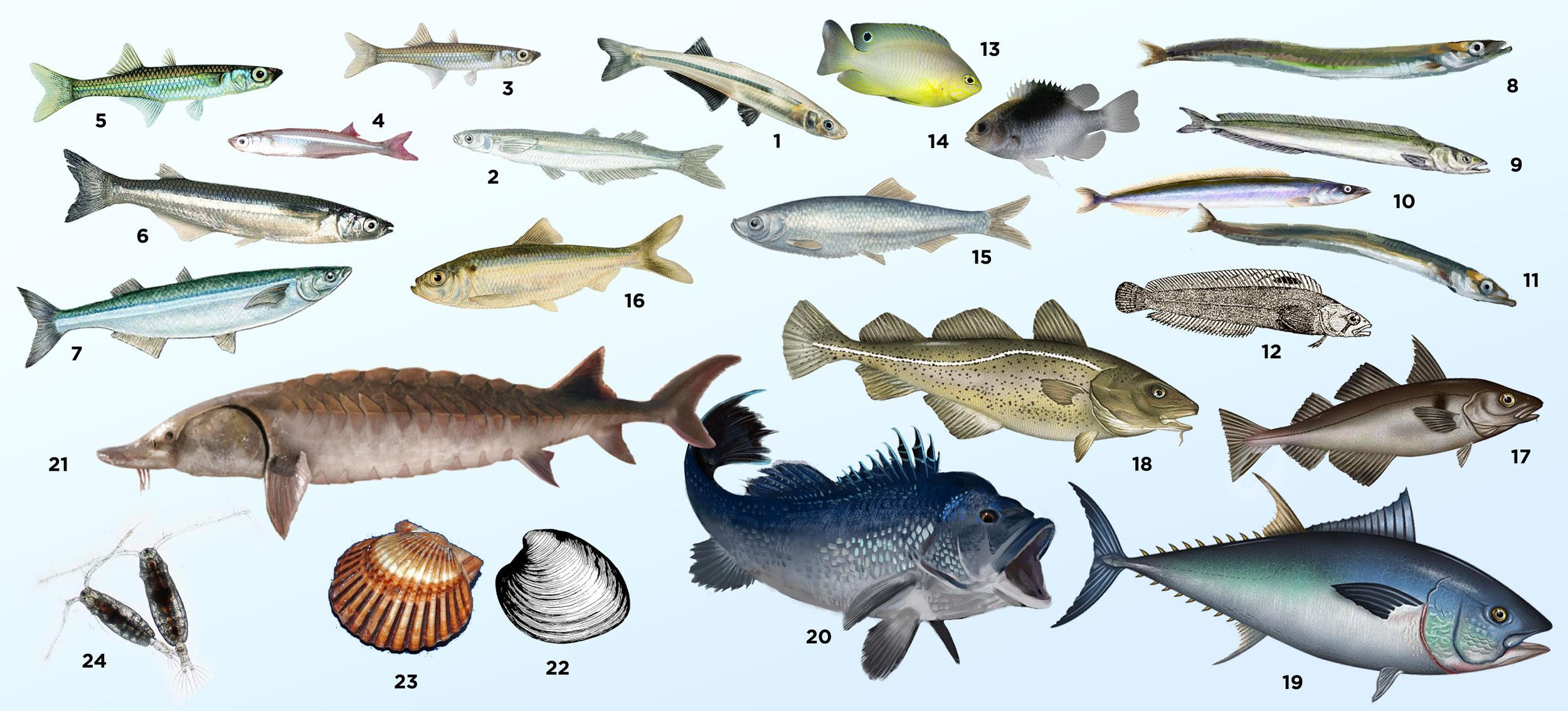
1. Atlantic silverside (Menidia menidia)
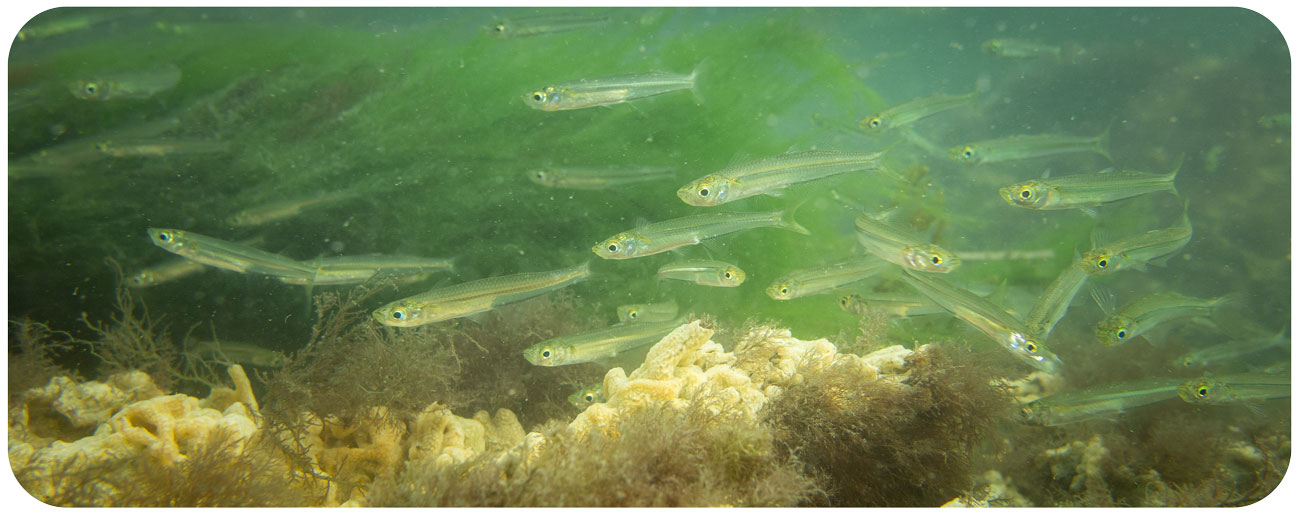
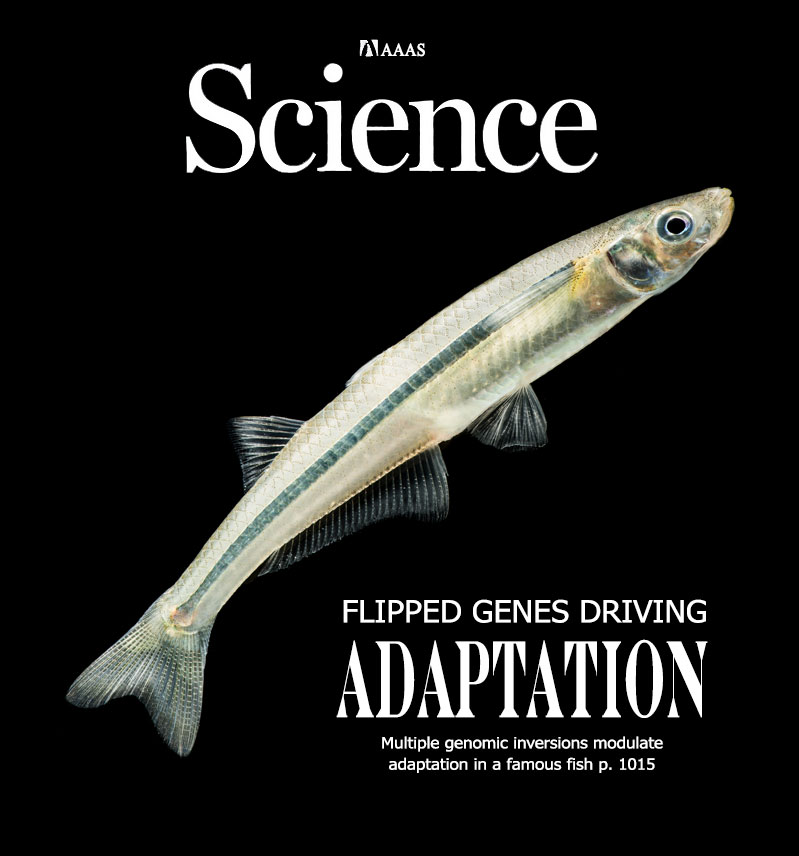
Silversides are a group of small, inconspicuous looking forage (or 'bait') fishes of the Americas (family: Atherinopsidae). Over past decades, ecologists and evolutionary biologists have used them as models and discovered important new patterns of adaptation and climate sensitivity in the aquatic realm. Among them, the Atlantic silverside is arguably the most famous.
Over the years, our lab and collaborators have contributed to an already rich eco-evolutionary literature by (1) thoroughly investigating how silversides may cope with rising temperatures, rising CO2-levels and reduced oxygen conditions in potential future oceans, and (2) discovering in great detail the genomic architecture that allows Atlantic silversides to adapt so efficiently to environmental gradients in temperature or to size-selective fishing pressure.
Atlantic silversides are abundant in our local waters and readily accessible with a beach seine. We often begin experiments by first collecting spawning ripe adults (May-July) to then produce fertilized embryos for rearing treatments.
Publications:
(1) Baumann et al. Proceedings of the Royal Society:B 2011
(2) Baumann et al. Copeia 2012
(3) Baumann et al. Canadian Journal of Fisheries and Aquatic Sciences 2017
(4) Therkildsen et al. Science 2019
(5) Pringle and Baumann Marine Ecology Progress Series 2019
(6) Therkildsen and Baumann Marine Genomics 2020
(7) Akopyan et al. Molecular Ecology 2021
(8) Jacobs et al. Evolution 2024
(9) Akopyan et al. Science 2026
(1) Murray et al. Marine Ecology Progress Series 2014
(2) Depasquale et al. Marine Ecology Progress Series 2015
(3) Malvezzi et al. Evolutionary Applications 2015
(4) Murray et al. ICES Journal of Marine Science 2017
(5) Snyder et al. Journal of Experimental Marine Biology and Ecology 2018
(6) Baumann et al. Marine Biology 2018
(7) Murray and Baumann Diversity 2018
(8) Baumann et al. Biology Letters 2018
(9) Cross et al. Scientific Reports 2019
(10) Murray and Baumann PLOS One 2020
(11) Schwemmer et al. Journal of Experimental Biology 2020
(12) Concannon et al. ICES Journal of Marine Science 2021
2. California grunion (Leuresthes tenuis)
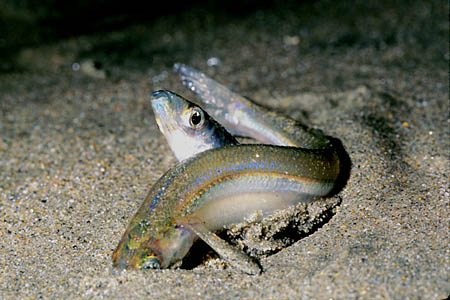
The species is beloved among naturalists, and scientists treasure them as a model organism, because grunion embryos are accessible with relative ease - you don't even have to get your feet wet (or just a little). During so called grunion runs, the fish beach themselves at night king tides, spawn and return to the ocean, while the larvae develop in the warm moist sand for about half a moon.
Interestingly enough, over the small latitudinal range that were able to sample and assess, we did not find population differences in temperature-dependent larval growth rates. On the other hand, we discovered that California grunion that are among the few fish species that have environmental sex determination. During a certain time window of the larval stage, warmer temperatures usually make more male-biased sex ratios. In addition, we discovered that photoperiod, too, changes sex ratios in California grunion. A very novel find!
Publications:
(1) Brown et al. Marine Ecology Progress Series 2012
(2) Brown et al. Journal of Experimental Marine Biology and Ecology 2014
3. Key silverside (Menidia conchorum) - 4. Tidewater silverside (Menidia peninsulae)
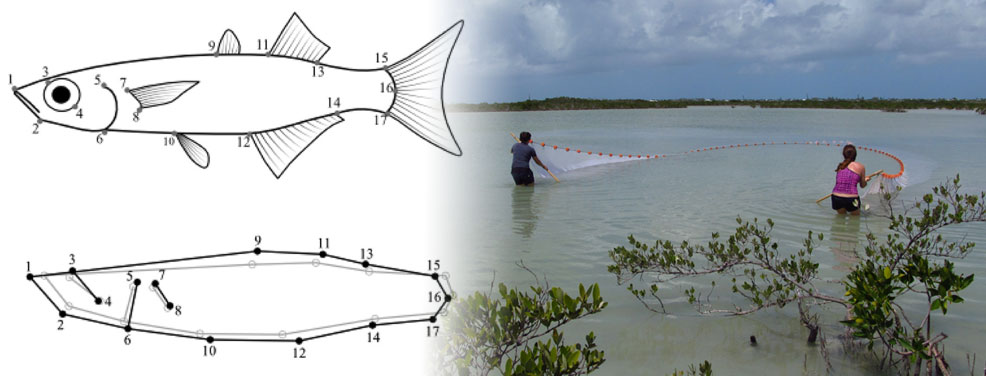
In 2012, a team of Stony Brook researchers traveled to the Florida Keys to sample a type of silverside species that only occurs there in hypersaline ponds, which are lagoons surrounded by mangroves that often have salinities over 40 psu. We then used morphometrics and genetic tools to answer the question whether this is truly a different species or simply an ecotype of the Tidewater silverside, which occurs abundantly in coastal waters of Florida and the Gulf of Mexico.
Publications:
(1) O'Leary et al. Bulletin of Marine Science 2016
5. Inland silverside (Menidia beryllina)
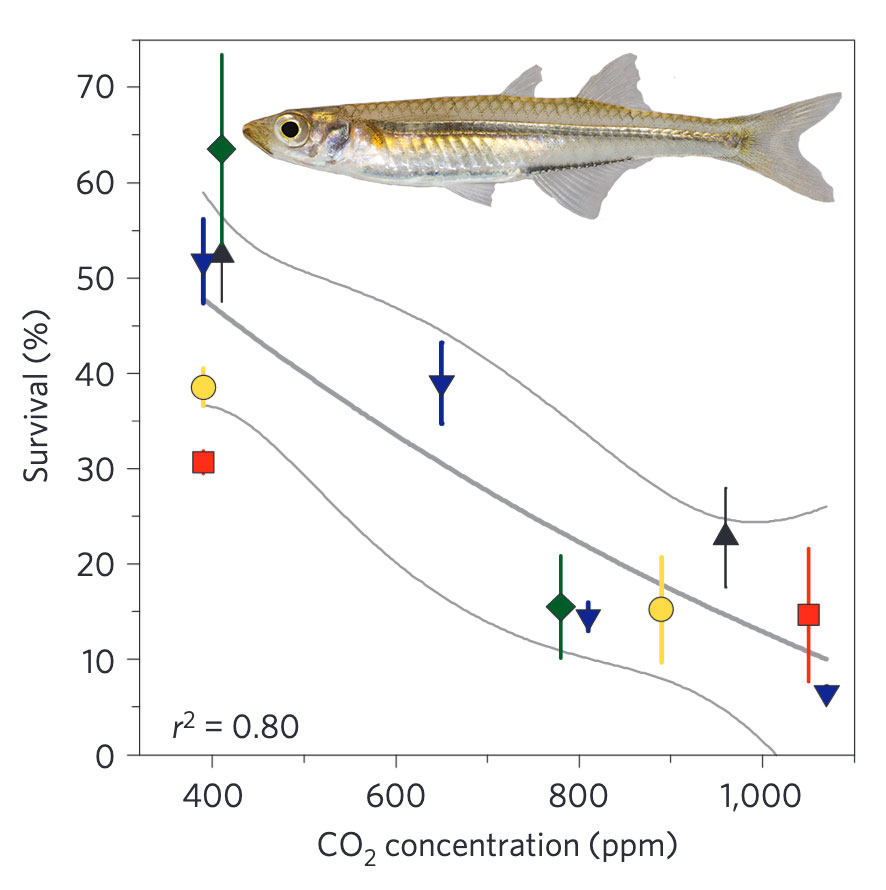
In 2012, this silverside species became the first documented case of direct, CO2-induced effects on growth and survival in a fish. We reared offspring from fertilization to approximately one week post hatch under various levels of elevated CO2, which may occur in future open ocean waters due to ocean acidification; mankinds other CO2 problem.
As ocean acidification-relevant CO2 levels increased, survival declined.
Publications:
6. Sea silverside (Odontesthes regia)
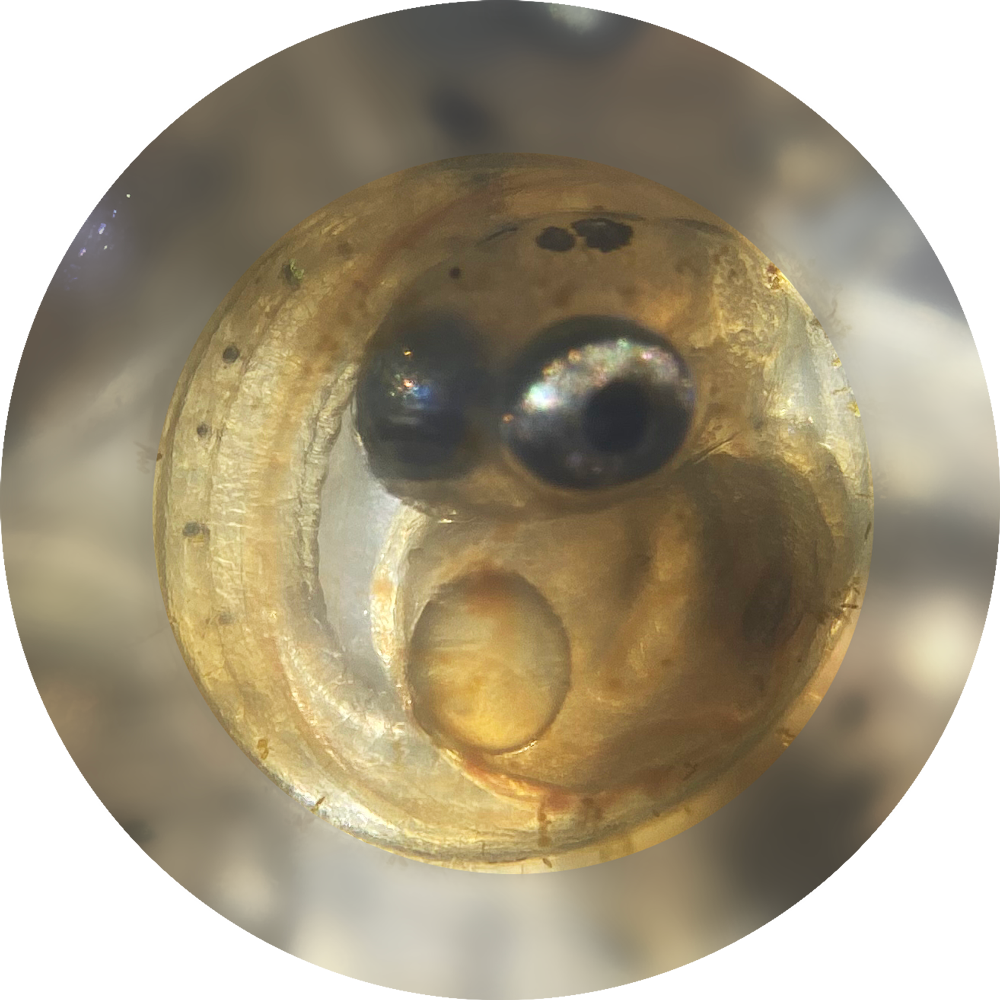
The study was possible, because Hannes spent the best part of his sabbatical in 2023/24 in a Marine Station in Chile, constructing and conducting a common-garden rearing experiment on different populations from different latitudes along the Chilean coast.
Learn more about the whole sabbatical project called 'Expanding the silverside system'.
Publications:
(1) Baumann et al. Ecology and Evolution 2026
7. Topsmelt (Atherinops affinis)
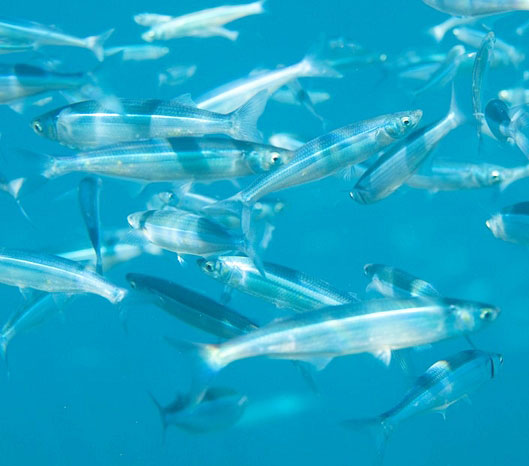
Ultimately, these experiments revealed that co- and countergradient adaptation patterns have clearly evolved between topsmelt populations from different latitudes - but, the strength of these patterns is weaker than in Atlantic silversides. This likely reflects the weak vs. strong latitudinal temperature gradients along Pacific vs. Atlantic coasts.
Publications:
(1) Baumann et al. Proceedings of the Royal Society B 2011
(2) Baumann et al. Copeia 2012
8. Northern sandlance (Ammodytes dubius)
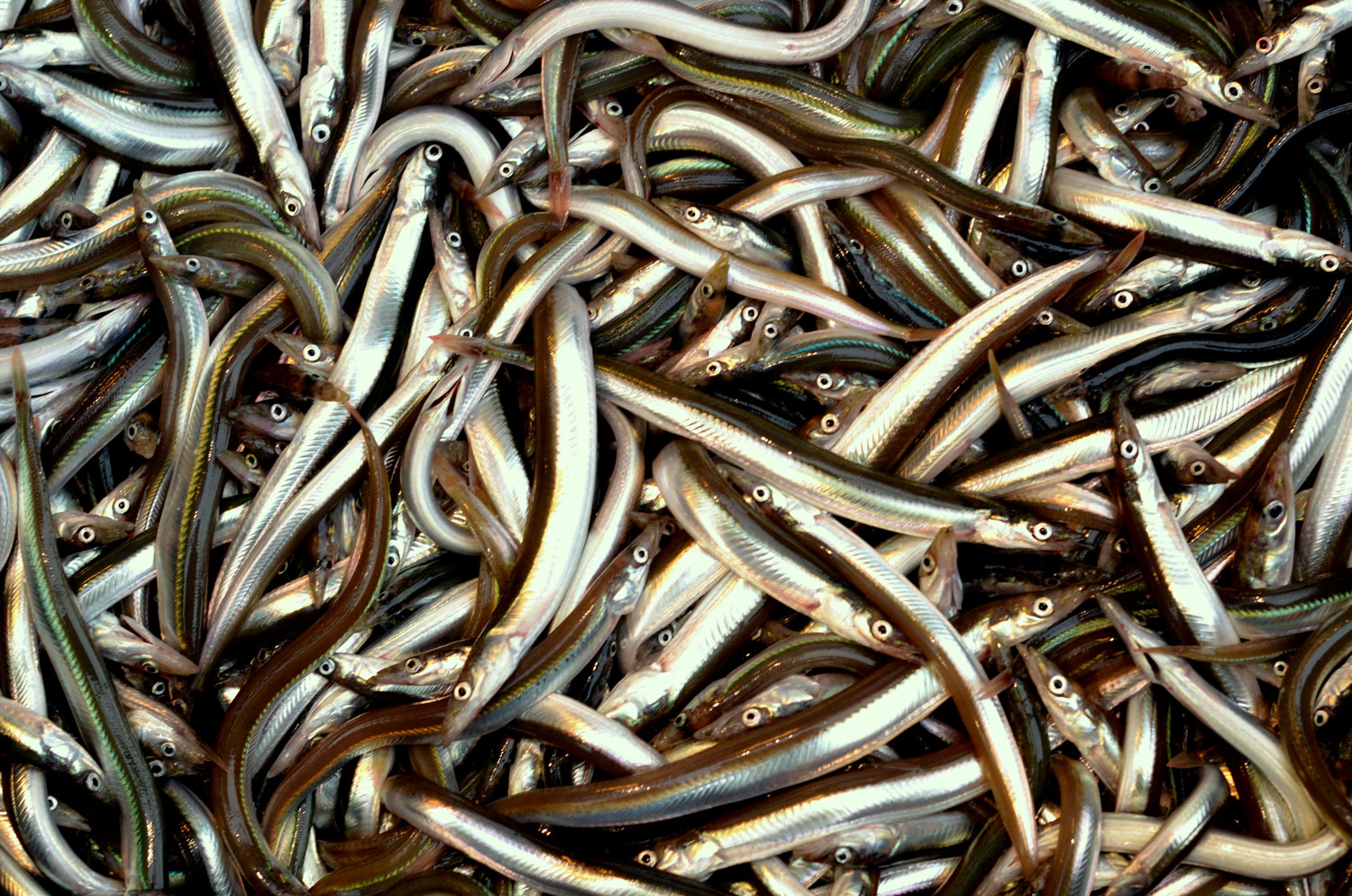
Northern sandlance live on offshore sandbanks, and a good decade ago we hypothesized that their embryos might be adapted to more stable open ocean CO2 conditions and may therefore perhaps be less tolerant to manmade ocean acidification. Since our initial discovery of the unusual CO2-sensitivity of sand lance embryos we have continuously built on this research using comparative and molecular tools.
More recently, the evolutionary question what keeps the the closely related congeners (Northern vs. American sand lance) separated and whether sandlance may be vulnerable to magnetic fields from undersea cables have become important new research angles.
Publications:
(1) Murray et al. Conservation Physiology 2019
(2) Silva et al. Conservation Science and Practice 2020
(3) Staudinger et al. Fish and Fisheries 2020
(4) Suca et al. ICES Journal of Marine Sciences 2021
(5) Suca et al. Fisheries Oceanography 2022
(6) Baumann et al. Marine Ecology Progress Series 2023
(3) Jones et al. ICES Journal of Marine Science 2023
(7) Jones et al. Environmental Biology of Fishes
9. Pacific sandlance (Ammodytes personatus)
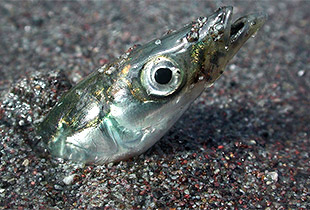
This particular sandlance species occurs on suitable sandy areas all across the North-eastern Pacific shelf, where it is a similarly important forage fish for a diverse guild of predators than its North-Atlantic congeners. We have not yet worked experimentally with Pacific sandlance, but in 2019 obtained a modest sample of specimens from beaches at the Salish Sea just south of the US-Canadian border. DNA extracted from fin-clips of these samples was sequenced and then used as an outgroup in a large population-genetic study of North-Atlantic sandlances.
Publications:
(1) Jones et al. ICES Journal of Marine Science 2023
10. Lesser sandeel (Ammodytes marinus)
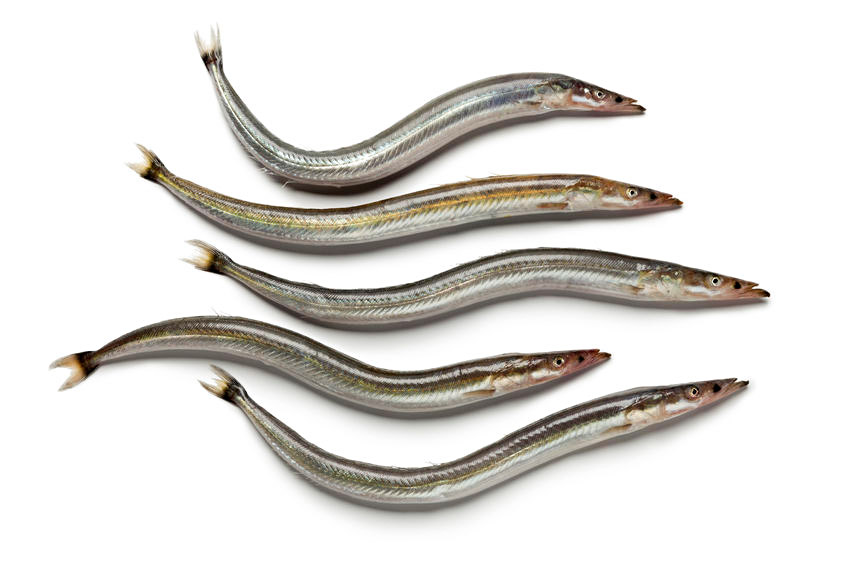
In winter of 2025/26, we conducted experimental work on Lesser sandeel embryos, a species that occurs on North-eastern Atlantic shelf habitats. Together with Norwegian collaborators at the Austevoll Marine Research Station, we again subjected newly fertilized embryos to a range of CO2 levels as they may occur in future oceans. The experiments were successful, and hopefully the results will be published soon.
Publications:
11. American sandlance (Ammodytes americanus)
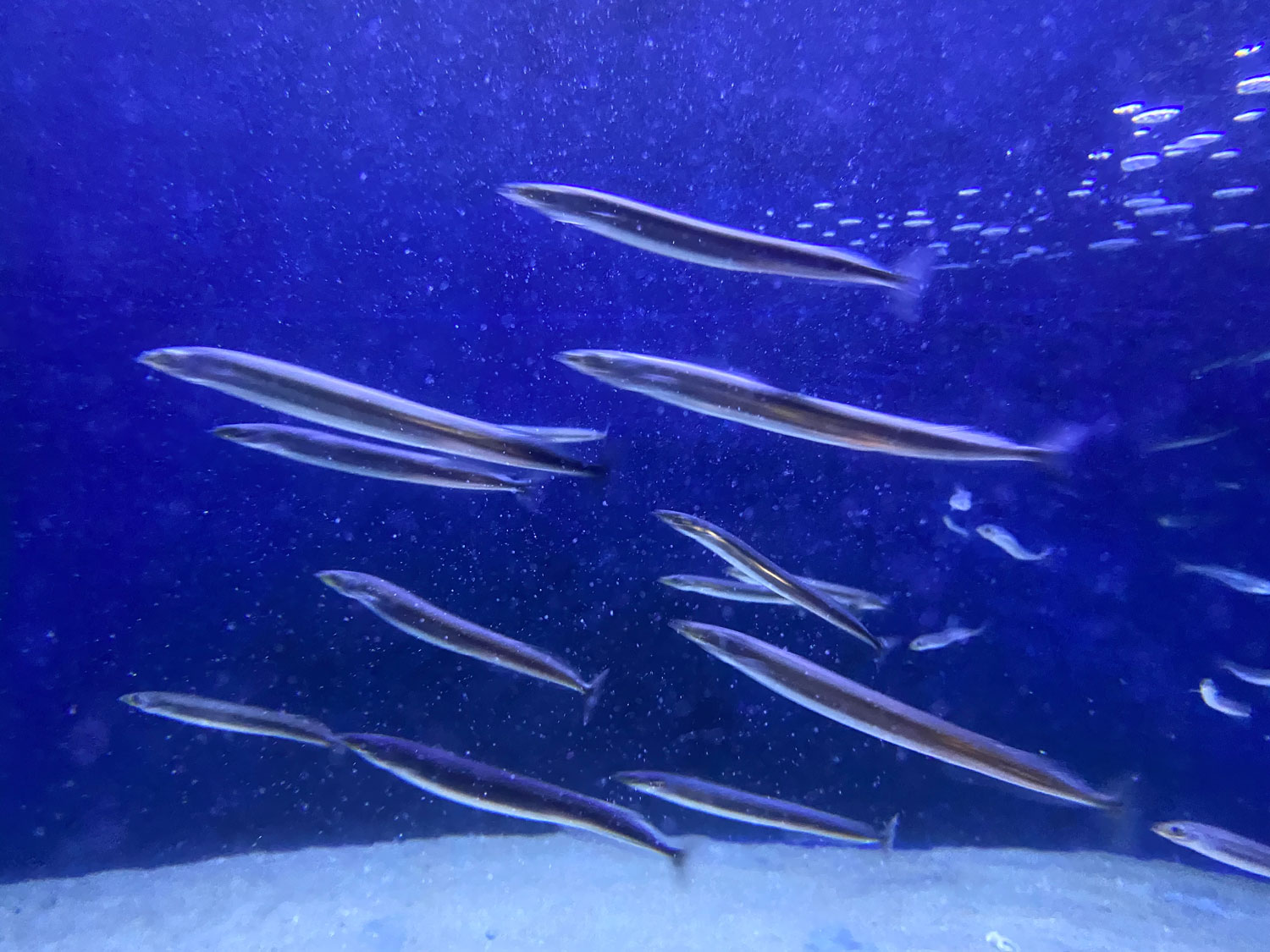
Our research has taken an increasing interest in testing this assumption, using novel genetic markers to look at large numbers of samples throughout the species distributions.
In addition, we have also begun to work experimentally with American sandlance, again asking the question whether embryos of this species are similarly sensitive to increasing CO2-levels in their waters.
Publications:
(1) Staudinger et al. Fish and Fisheries 2020
(2) Jones et al. ICES Journal of Marine Science 2023
12. Radiated shanny (Ulvaria subbifurcata)
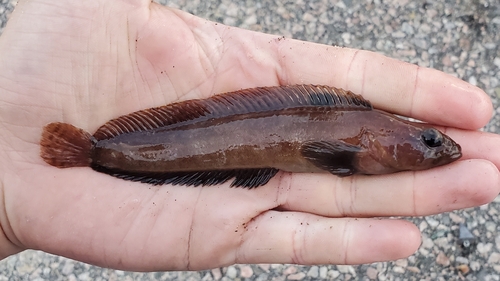
This showed that faster growing larvae (having wider daily increments) are more likely to survive the first weeks and months of their life - confirming the so-called "Bigger-is-Better Hypothesis" that is among the central paradigms in marine ecology.
Publications:
(1) Baumann et al. ICES Journal of Marine Sciences 2003
13. Ambon's damsel (Pomacentrus amboinensis) - 14. Rolland's demoiselle (Chrysiptera rollandi)
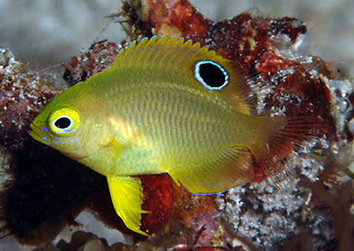
Ambon's damselfish
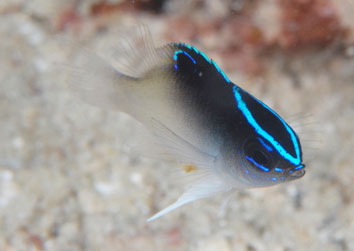
We analyzed the otoliths of these little guys and discovered that in these cases otolith growth only begins to approximate the growth of the actual fish (somatic growth) after juveniles had successfully transitioned from their pelagic larval to their benthic coral reef life.
Publications:
(1) Baumann and Gagliano Helgoland Marine Research 2011
15. Baltic sprat (Sprattus sprattus)
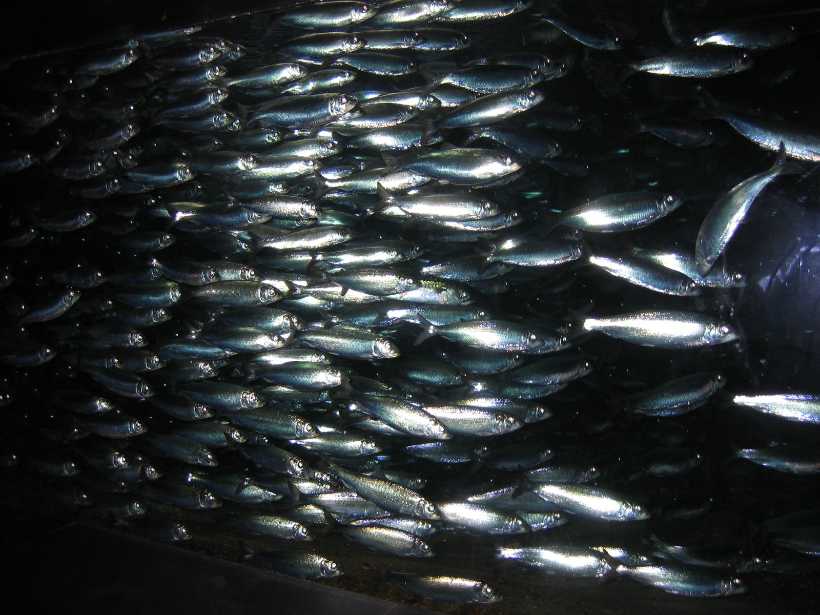
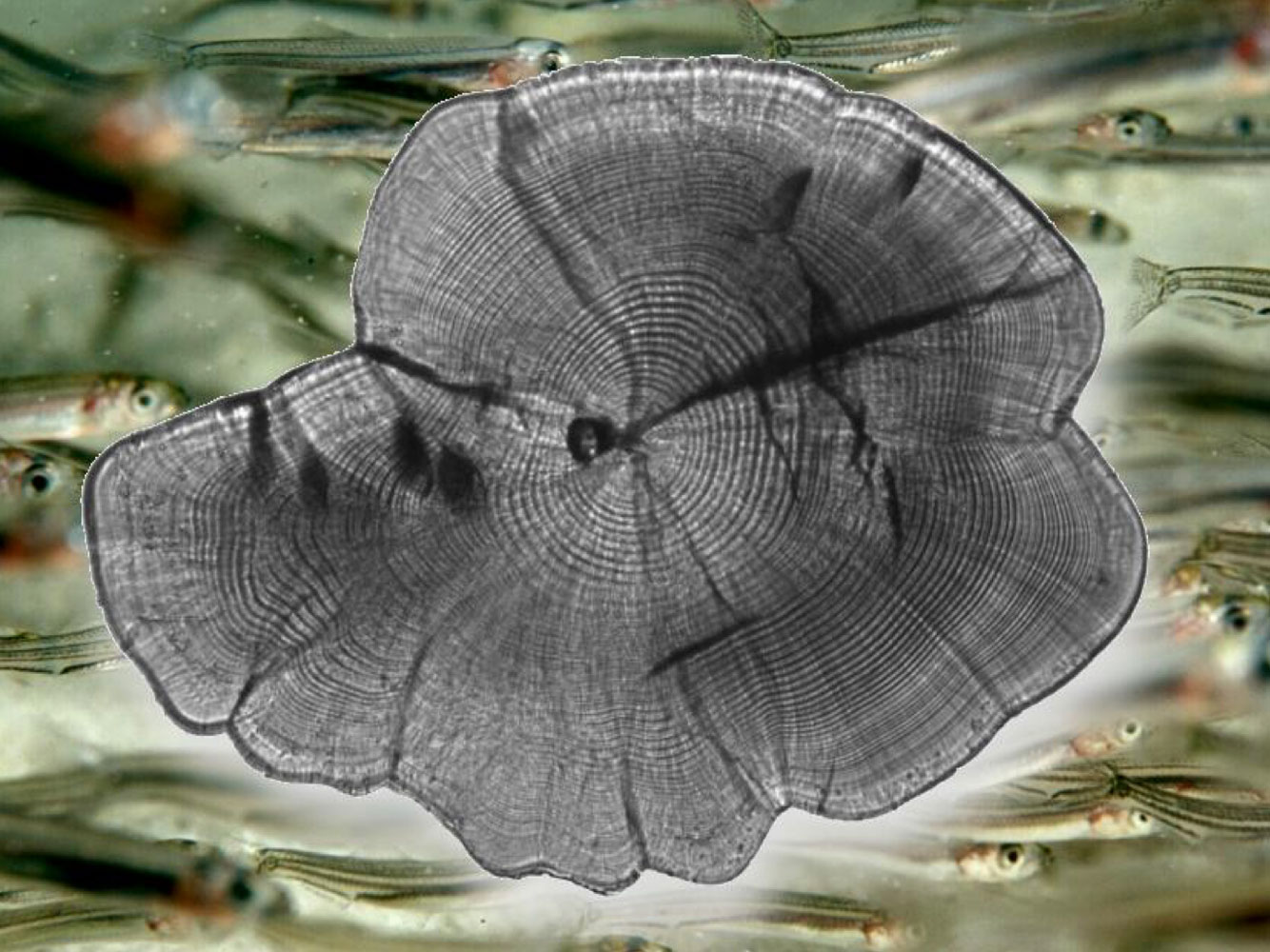
Hannes contributed as a PhD student, by trying to better understand what generates the high variability in sprat year classes and therefore stock biomass. Otolith microstructure analysis, i.e., the analysis of daily growth increments in a fish's earbones, was a central tool - showing temperature- and region-specific growth patterns, selective survival of fast over slower growing young-of-the-year, along with basic research into the fundamentals of otolith:somatic growth coupling.
Publications:
(1) Baumann et al. Journal of Marine and Freshwater Research 2005
(2) Hinrichsen et al. Journal of Marine Systems 2005
(3) Voss et al. Marine Ecology Progress Series 2006
(4) Baumann et al. Canadian Journal of Fisheries and Aquatic Sciences 2006
(5) Baumann et al. Marine Ecology Progress Series 2006
(6) Baumann et al. Fisheries Oceanography 2006
(7) Baumann et al. Journal of Fish Biology 2007
(8) Baumann et al. Fisheries Research 2008
(9) Baumann et al. Journal of Sea Research 2009
(10) Guenther et al. Canadian Journal of Fisheries and Aquatic Sciences 2012
(11) Peck et al. Progress in Oceanography 2012
(12) Voss et al. Progress in Oceanography 2012
(13) Peck et al. Journal of Experimental Marine Biology and Ecology 2015
16. Alewife (Alosa pseudoharengus)
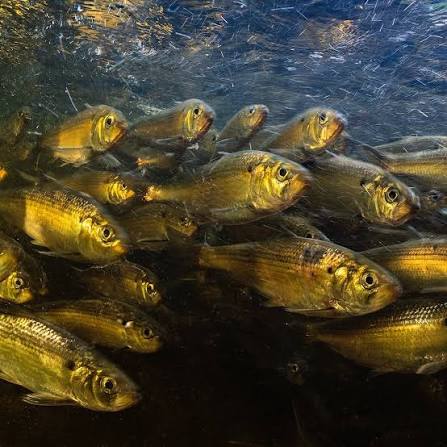
We have just began working experimentally with alewife, rearing fish at different - and changing - salinities to better understand the physiology behind their remarkable abilities to switch between fresh and ocean waters.
17. Haddock (Melanogrammus aeglefinus)
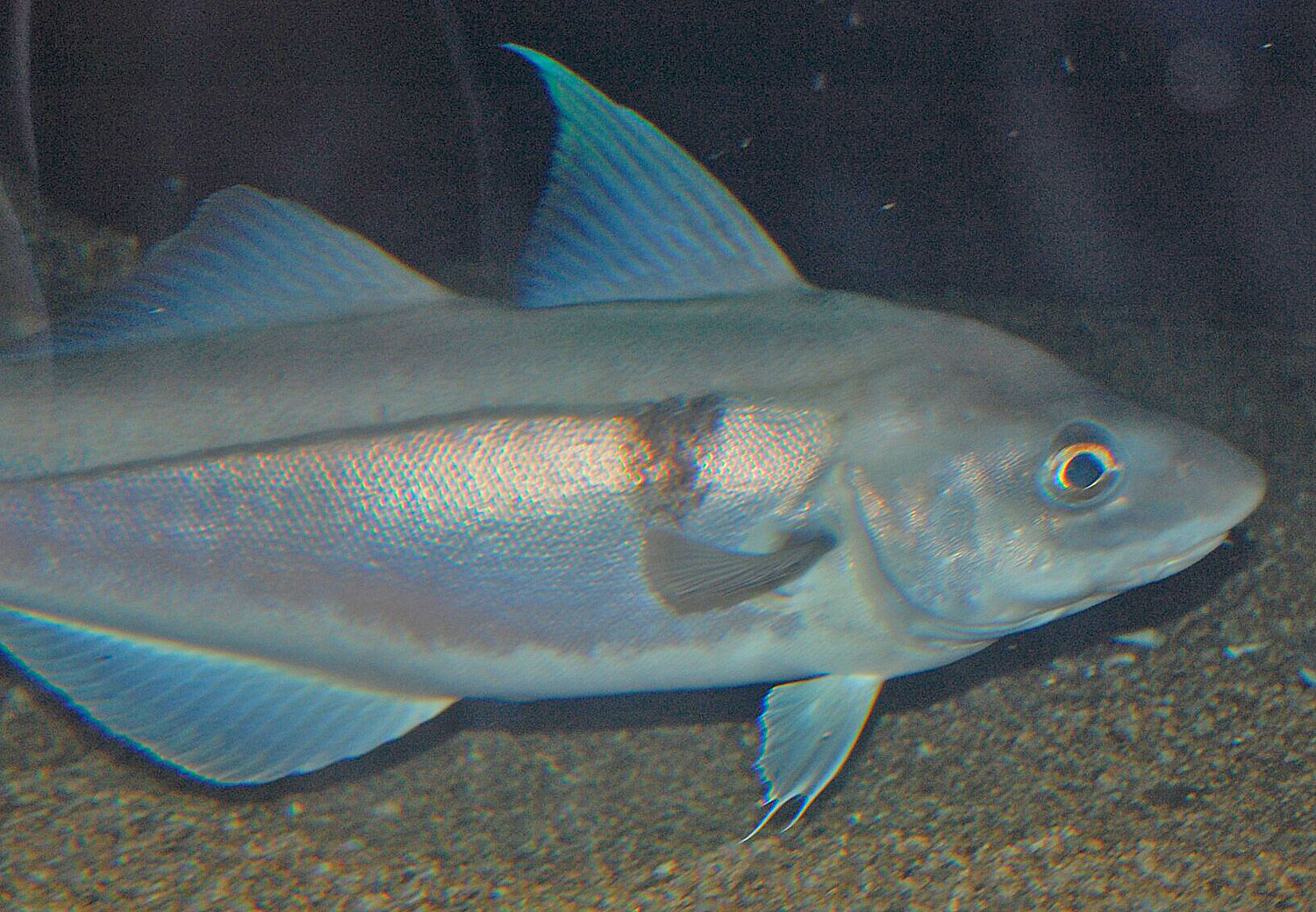
To estimate a fish's age - to then understand how many are out there from each year class - scientists began taking a few scales from each individual caught, counting the number of rings to estimate the age in years. Later, the method changed, and otoliths were used for the same purpose, because they yield more reliable estimates for older fish.
Publications:
(1) Baumann et al. Transactions of the American Fisheries Society 2013
18. Atlantic cod (Gadus morhua)
Publications:
(1) Stransky et al. Fisheries Research 2007
19. Pacific bluefin tuna (Thunnus orientalis)
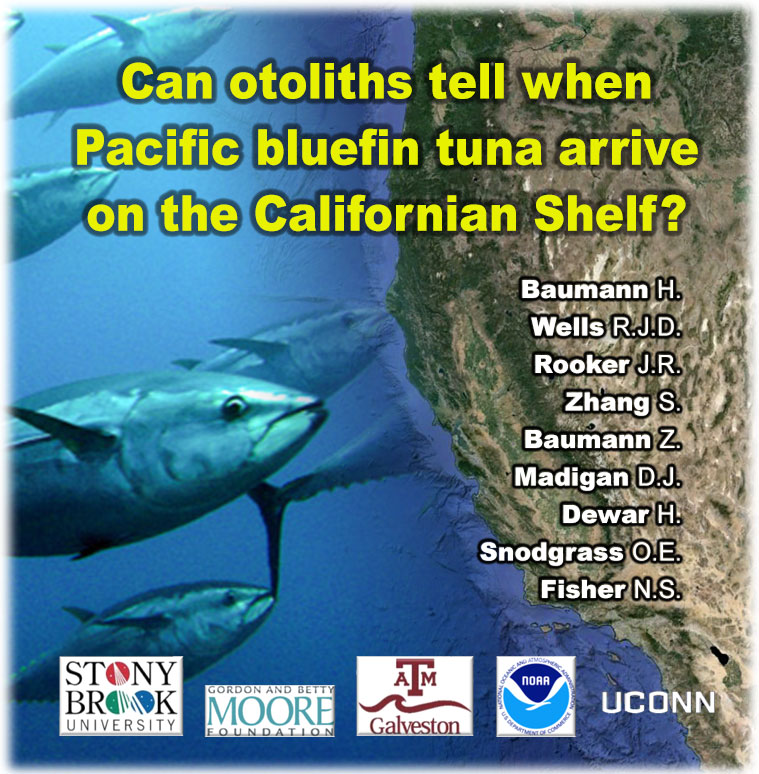
We used different tools, from isotopic markers to trace elements in otoliths, to better understand how long tuna juveniles travel and when exactly they arrive in California after their transatlantic journey.
Publications:
(1) Baumann et al. ICES Journal of Marine Science 2015
(2) Madigan et al. Environmental Science & Technology 2018
(3) Rooker et al. Scientific Reports 2021
20. Black sea bass (Centropristis striata)
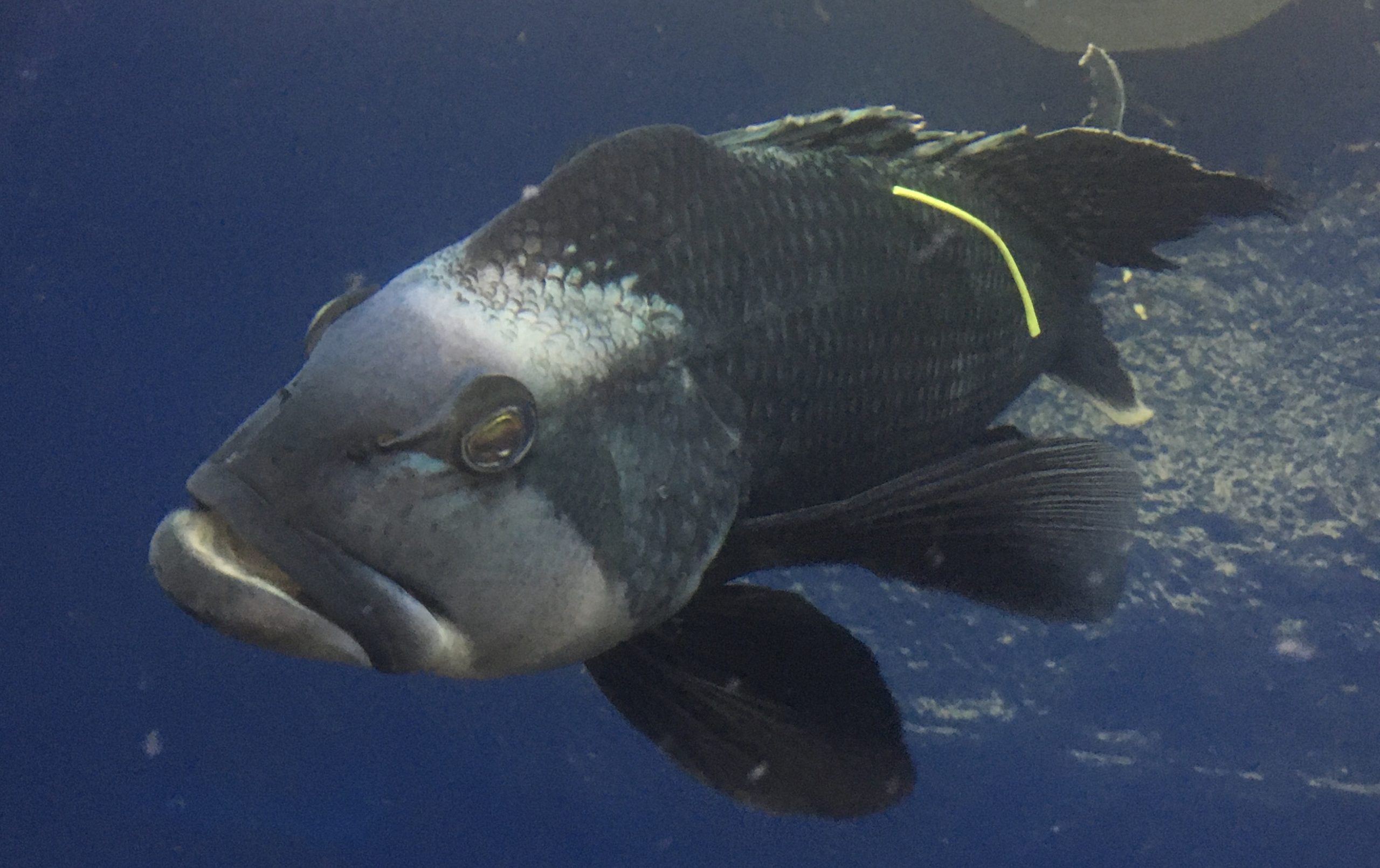
Black sea bass are the northernmost grouper (family Serranidae) species in the Atlantic - and of late they have become something like Exhibit A for marine species reacting to climate climate change via poleward range expansions. For black sea bass, this is technically true for the northern stock, which indeed increased considerably in abundance and now occurs in places where the fish were previously rare or absent.
In Long Island Sound, black sea bass increased by one order of magnitude in abundance since 2010!
Our lab has become ever more interested in this species, studying its CO2 sensitivity, its overwinter growth and mortality, and more recently its broad diet that makes it a likely competitor to many other fishes in our waters. Our experiments coupled with model projections suggested that black sea bass may change their overwinter migration and could someday soon overwinter right here in Long Island Sound.
Publications:
(1) Zavell et al. Transactions of the American Fisheries Society 2024
(2) Zavell and Baumann Environmental Biology of Fishes 2024
(3) Batta-Lona et al. Fishery Bulletin 2025
(4) Zavell et al. Marine and Coastal Fisheries 2025
(5) Zavell et al. Marine Ecology Progress Series 2026
21. Atlantic sturgeon (Acipenser oxyrinchus)
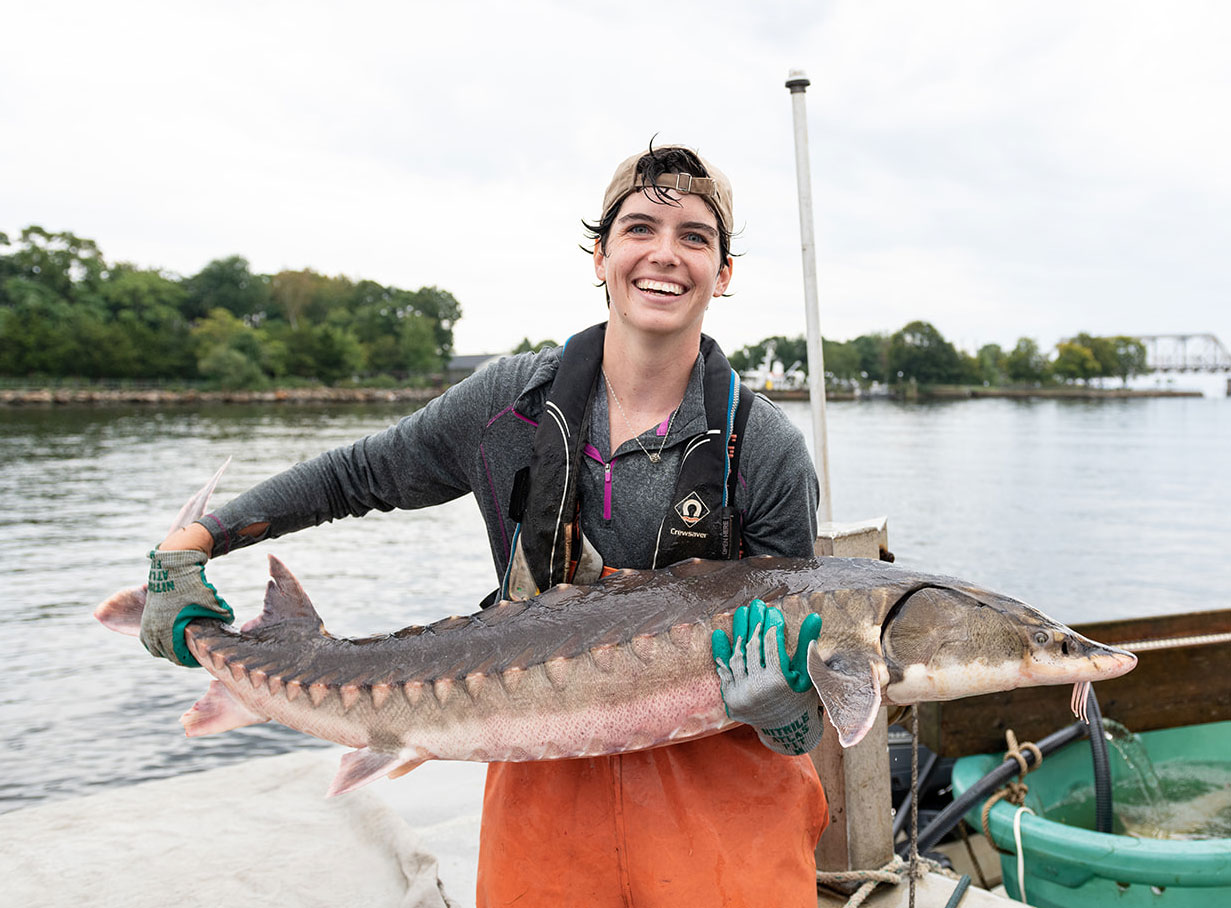
We did not find conclusive evidence that Atlantic sturgeon have begun to spawn again in the Connecticut River, but they sure travel far up into freshwater for reasons unrelated to reproduction.
Publications:
(1) Mosca et al. Fishery Bulletin 2025
22. Hard clam (Mercenaria mercenaria) - 23. Bay scallop (Argopecten irradians)
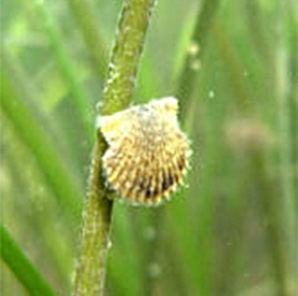
Publications:
(1) Gobler et al. PLOS One 2014
24. Acartia tonsa
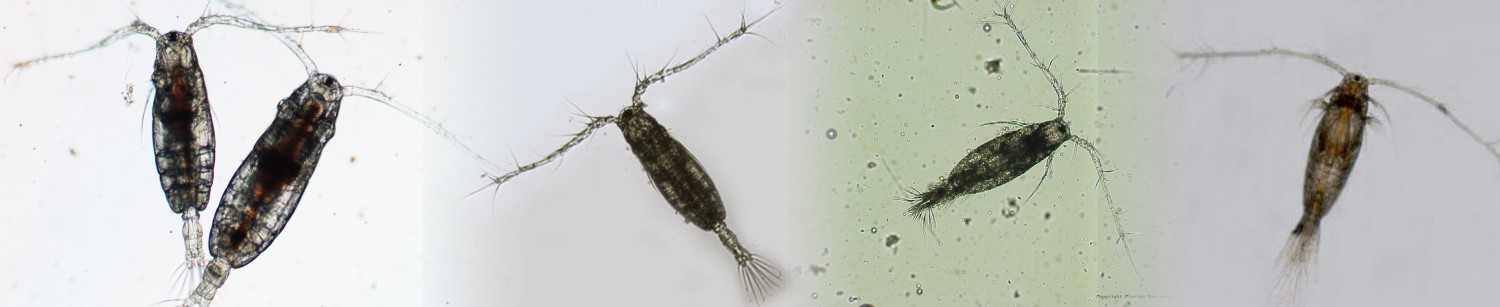
Copepods are the worlds most abundant metazoans - they are barely visible with the naked eye, but occur in every water habitat, where they eat single cell algae (phytoplankton) and are being eaten by anything larger than them. Knowing how copepods will cope with future ocean conditions is of utmost importance to mankind.
We joined collaborators from another UConn Marine Science Lab and from the University of Vermont to start ambitious CO2 x temperature experiments that took advantage of the short generation time of these critters. Since 2021, we have thus been documenting in great phenotypic and genotypic detail the rapid, but limited, adaptation of this copepod species to simultaneous warming and acidification.
Publications:
(1) Dam et al. Nature Climate Change 2021
(2) Brennan et al. Nature Communications 2022
(3) Brennan et al. Proceedings of the National Academy of Sciences 2022
(4) deMayo et al. Proceedings of the Royal Society:B 2023
(5) Brennan et al. Proceedings of the National Academy of Sciences 2025