There certainly isn't a shortage of urgent ecological questions that humans must find answers to
WE BROADLY STUDY ...
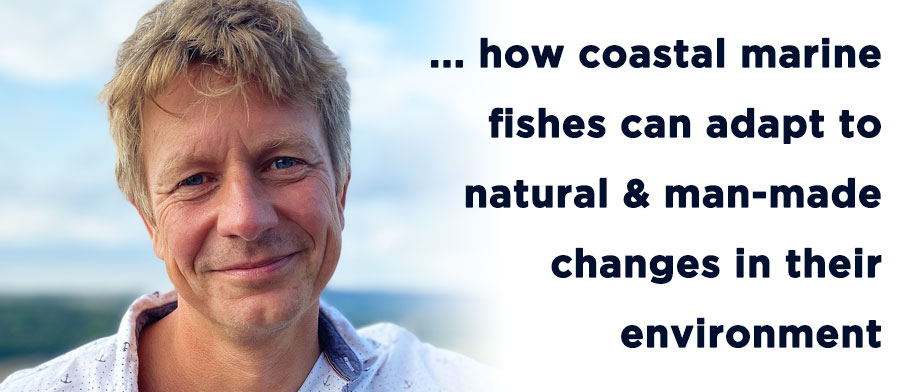
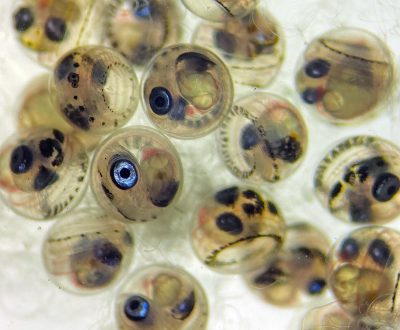
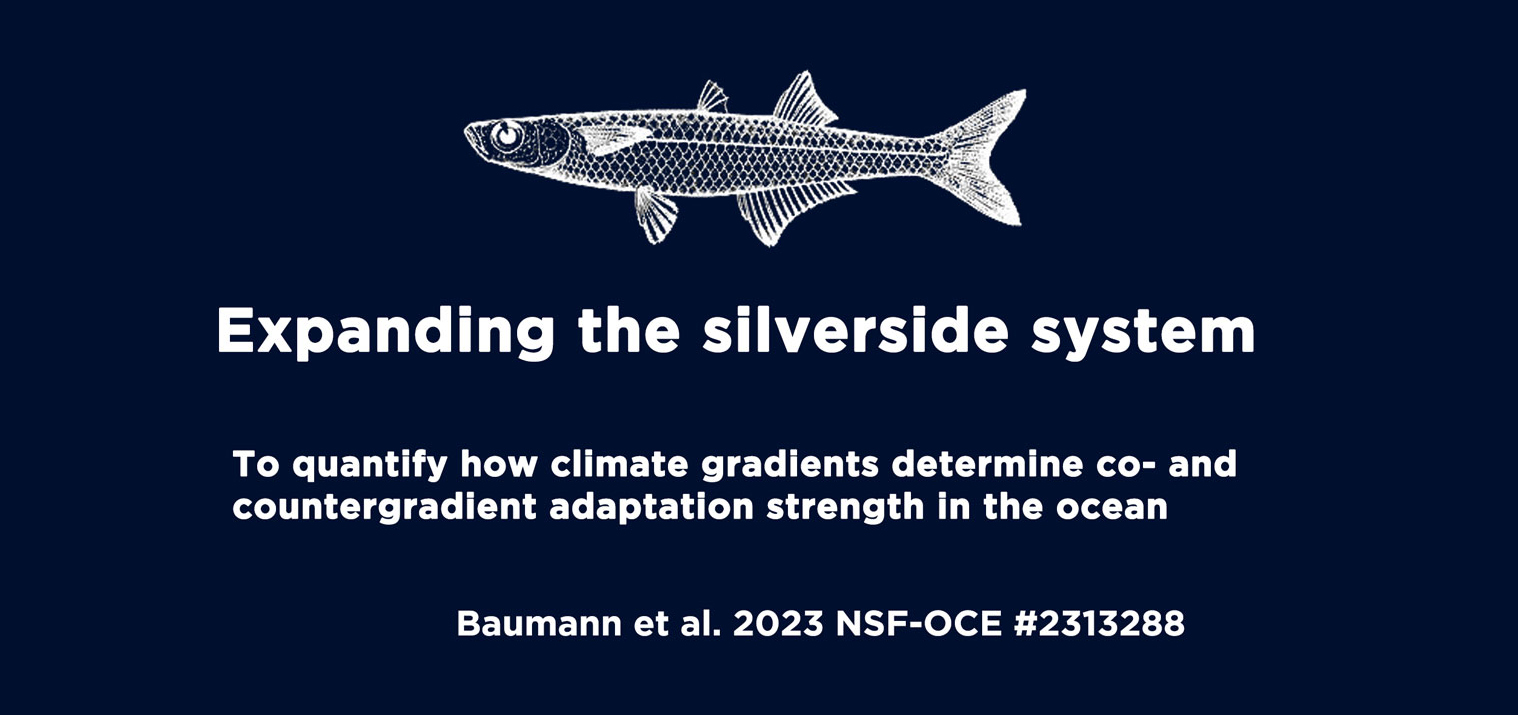
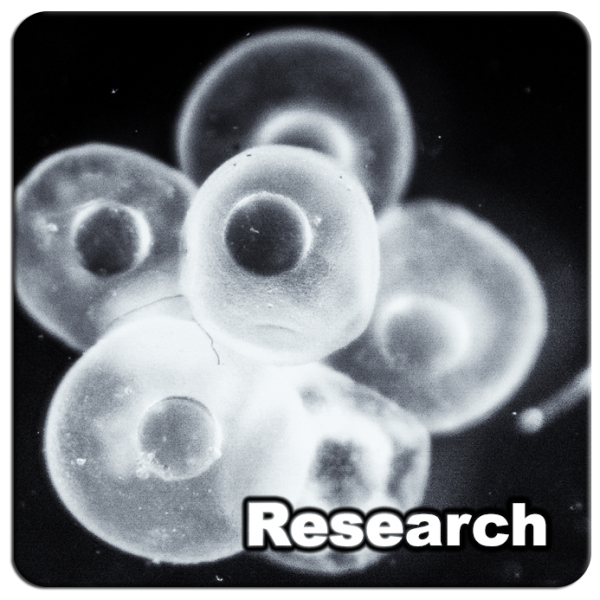
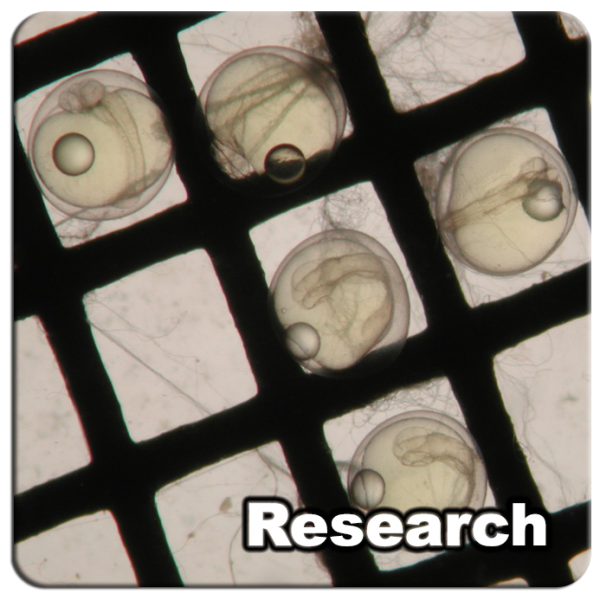
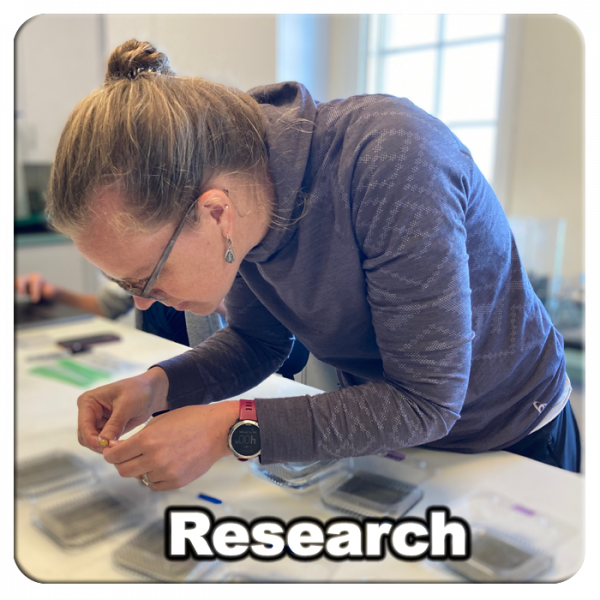
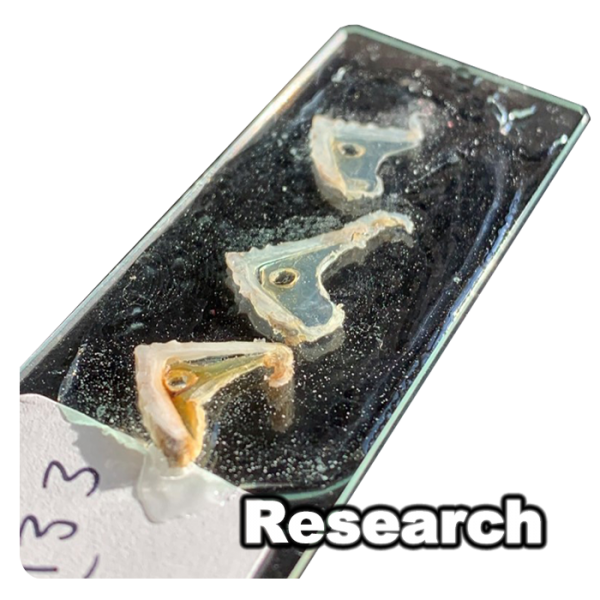
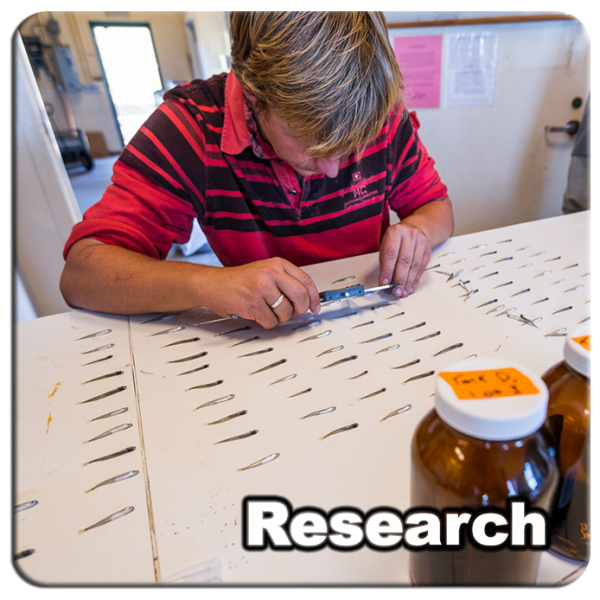
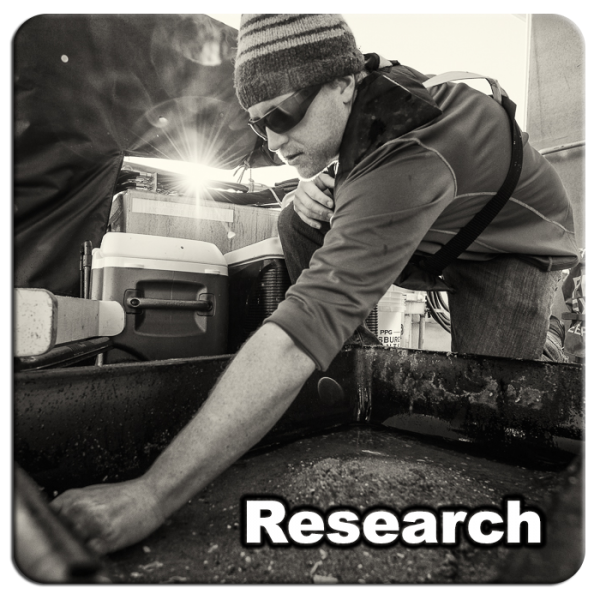
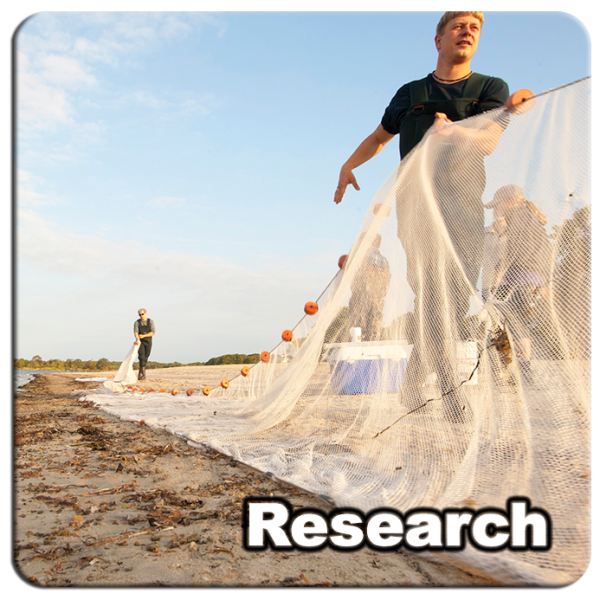
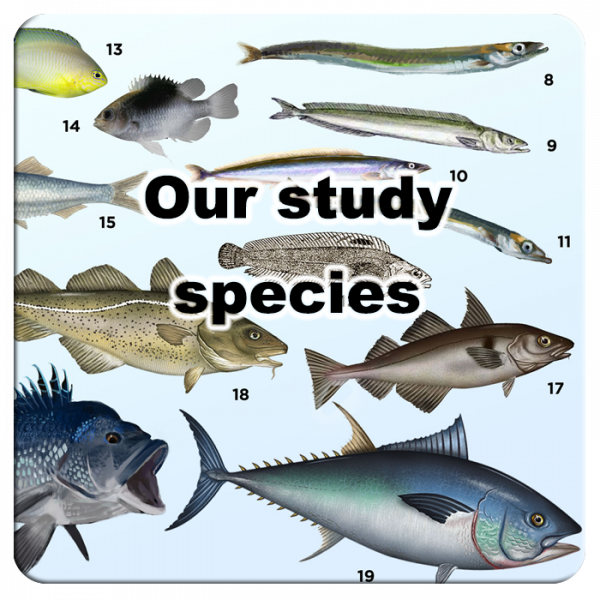
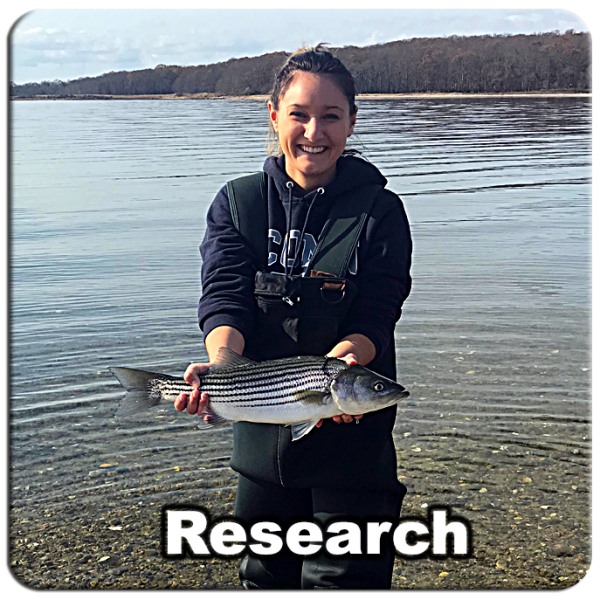
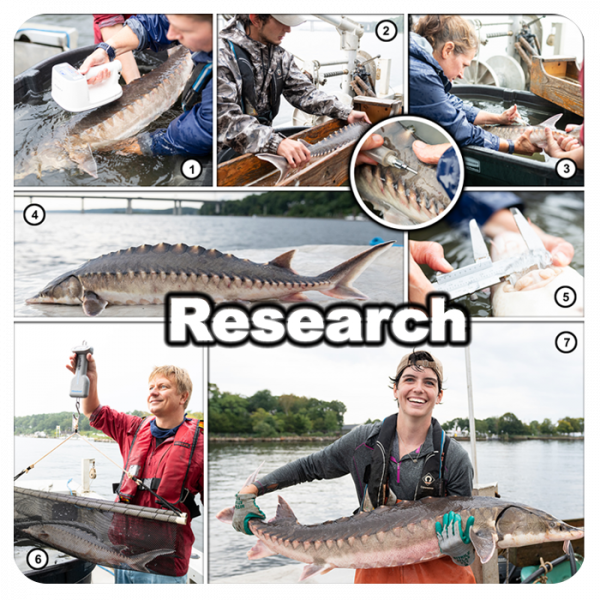
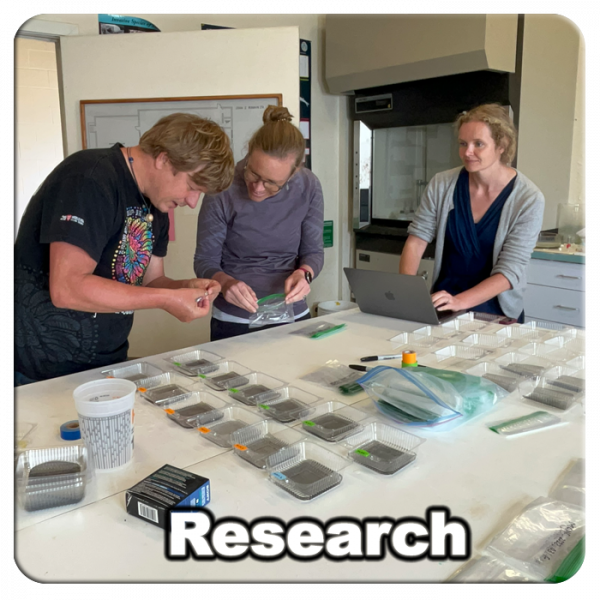
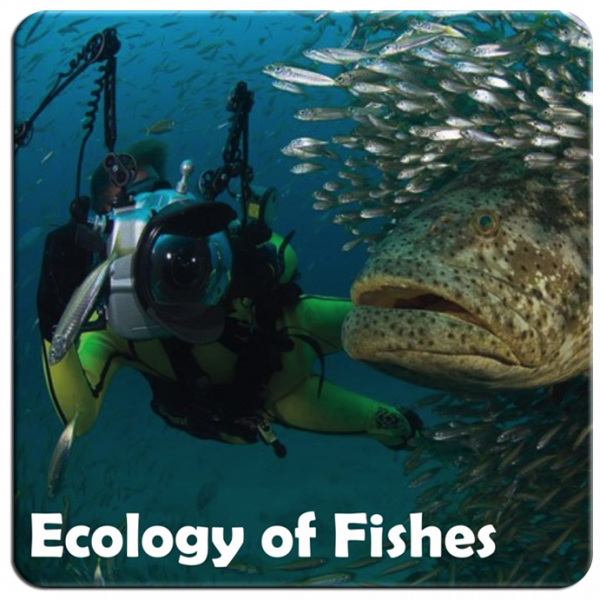
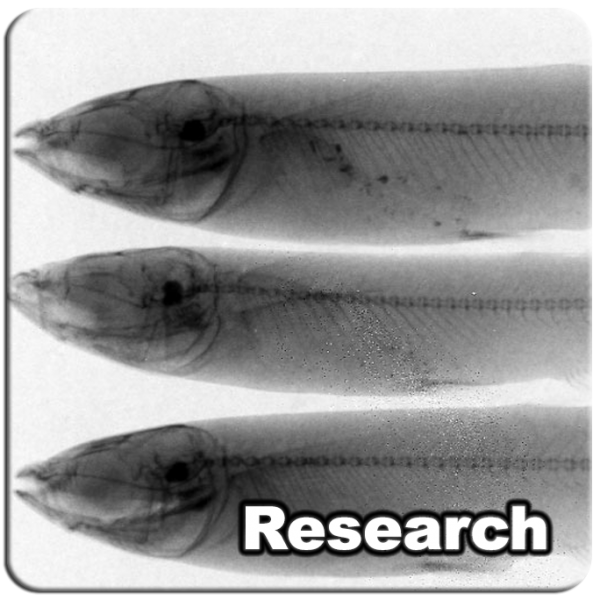
The ‘Evolutionary Fish Ecology’ Lab at the Department of Marine Sciences uses experimental, field, and modeling approaches to address the central question, how coastal marine fish will cope with the simultaneous changes in their environment caused by global and regional human stressors, and how they are already adapted to environmental variability in temperature, oxygen, or pH.
Baumann faculty profile | CV | Google Scholar | ResearchGate | Publons | ORCID
Previous posts
-
Ambitious Experiment Discovers ‘Flipped’ Genetic Secrets of a Small Fish
-
Hannes visits Emma’s sand lance experiment in Norway
-
Norwegian sand lance are hatching!
-
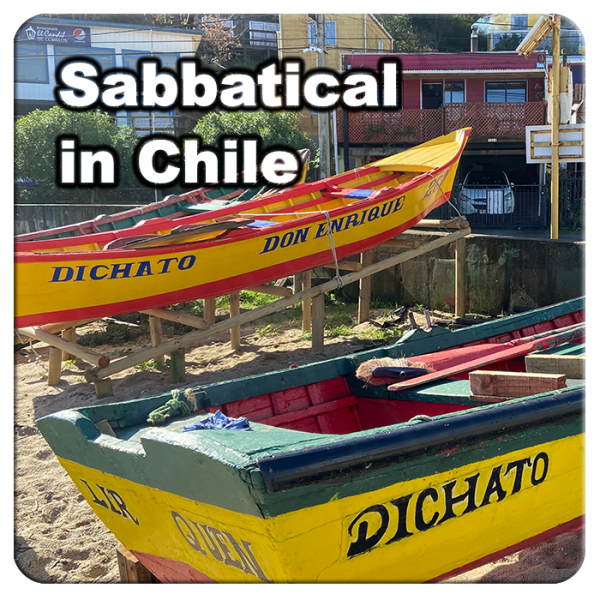
The 2nd experiment & Hannes’ time in Chile end – but the science just started
-
Emma arrives in Norway to start sand lance experiment
-
Hannes returns to the US, but the experiment continues!
-
The Chilean silverside experiment begins to produce data!
-
No luck in Caleta Sierra
-
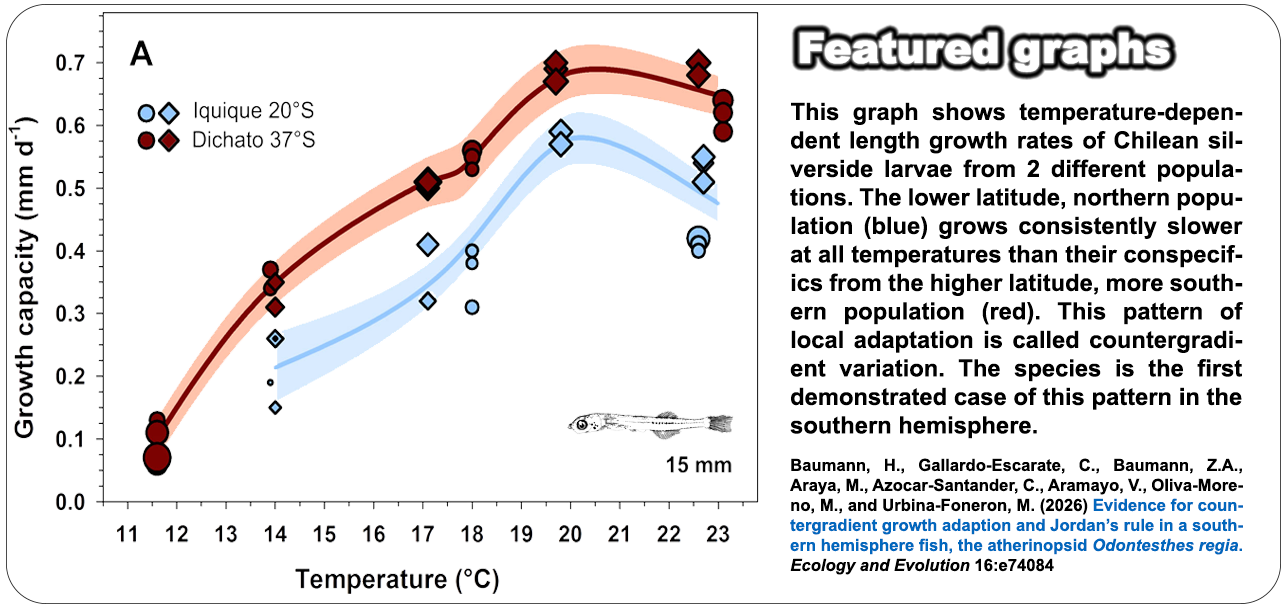
Chilean silversides are spawning in Iquique and Dichato
-
Hannes back in Chile to repeat common garden experiment!
-
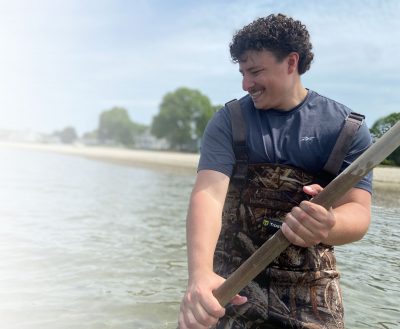
Summer night seining in Mumford Cove
-
NSF-REU student Elizabeth Estrada had a busy summer
-
Can adult black sea bass overwinter in Long Island Sound?
EXPLORE
Shot of the month

Continuously NSF-funded since 2008