There certainly isn't a shortage of urgent ecological questions that humans must find answers to
WE BROADLY STUDY ...
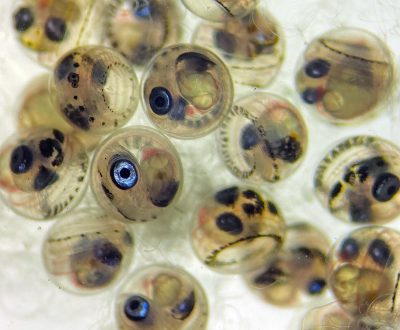
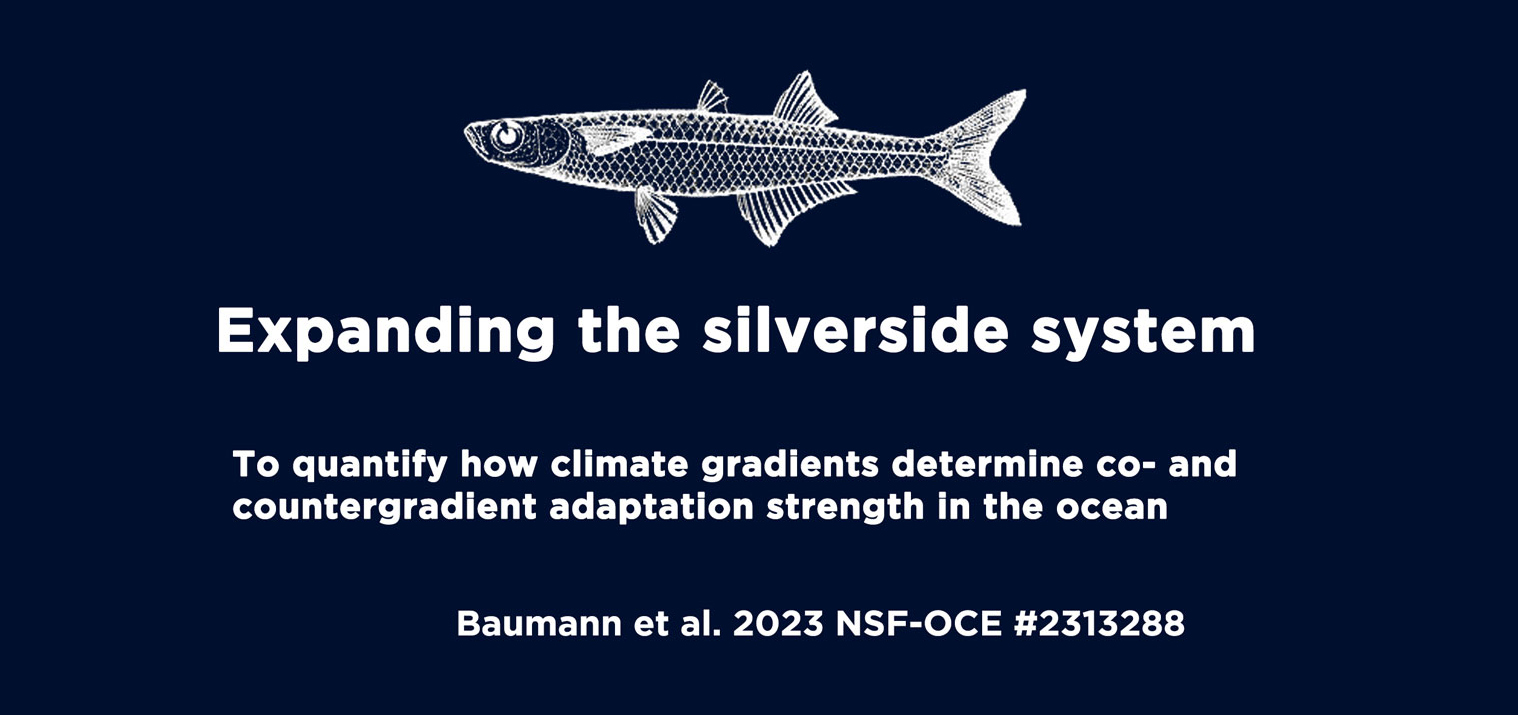
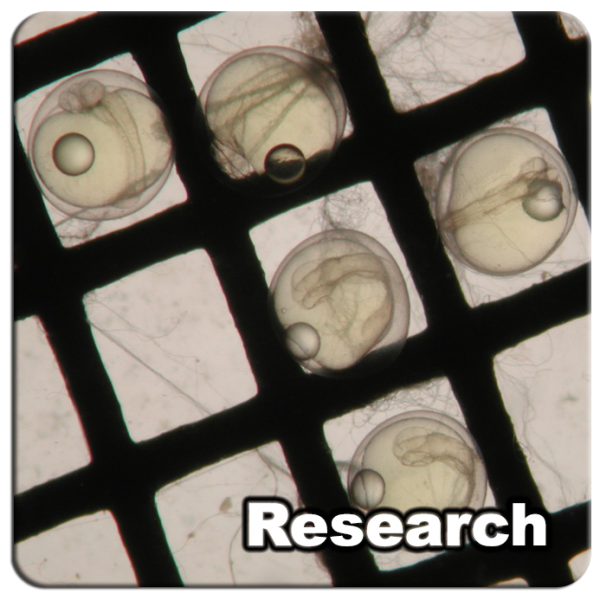
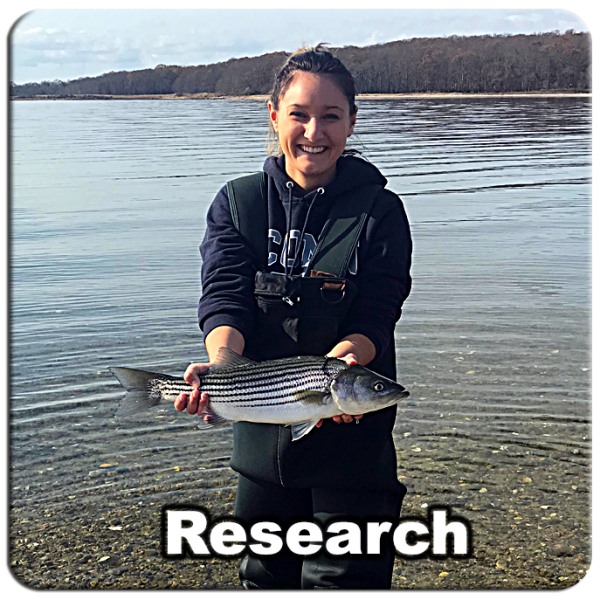
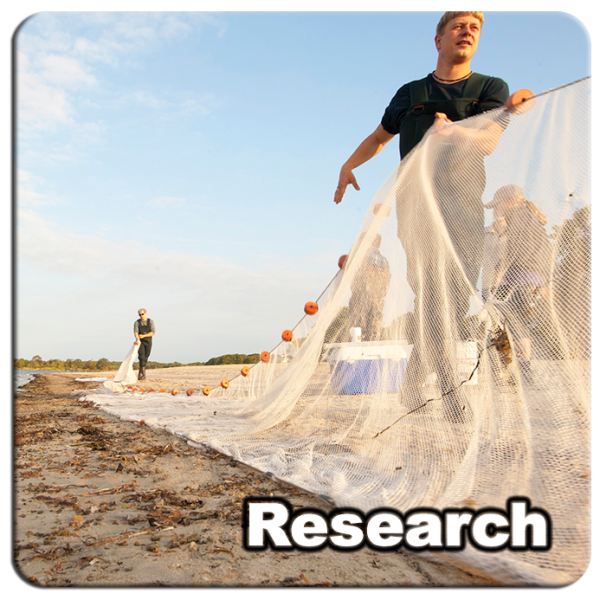
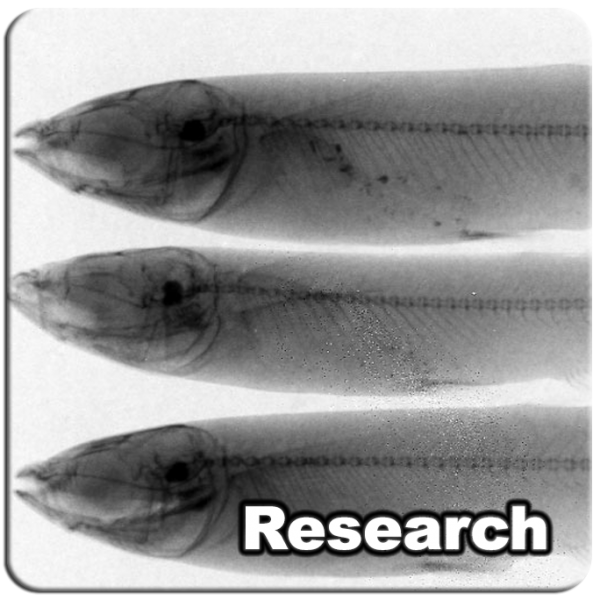
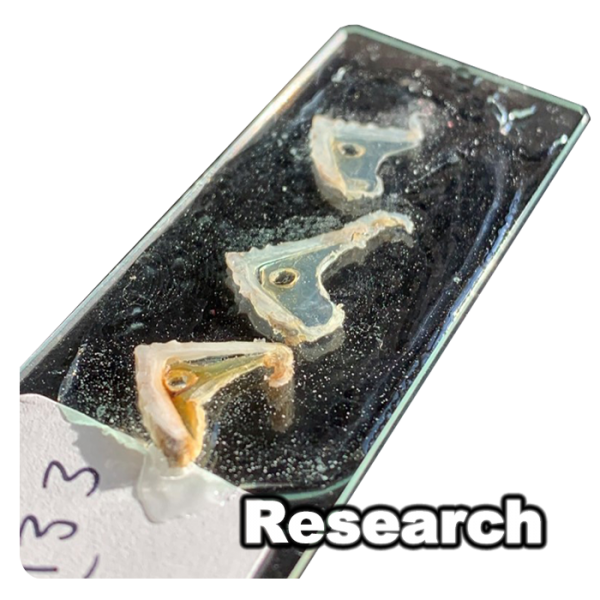
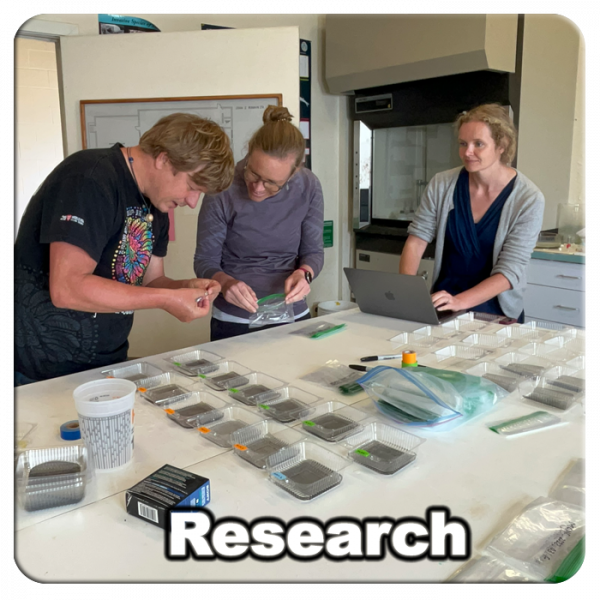
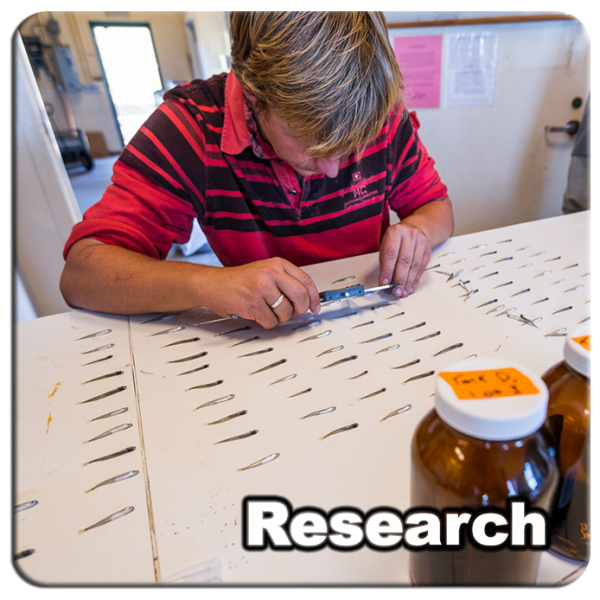
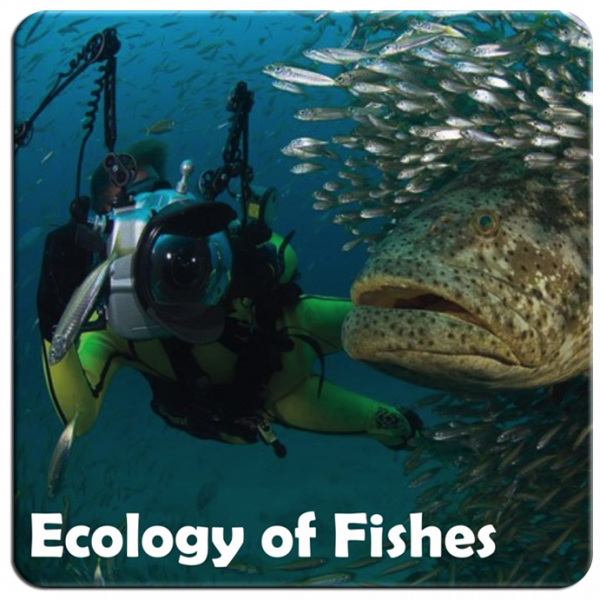
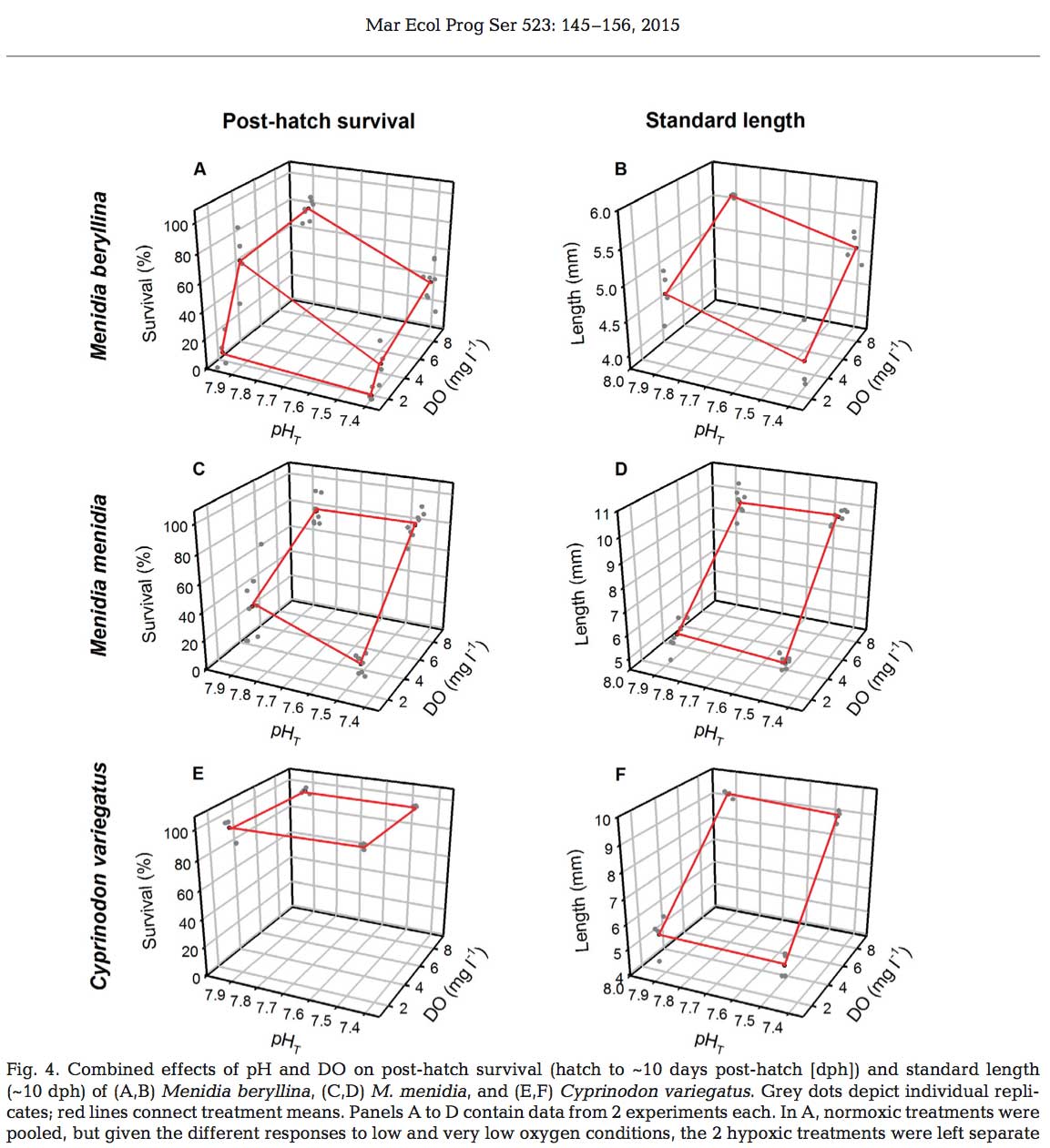
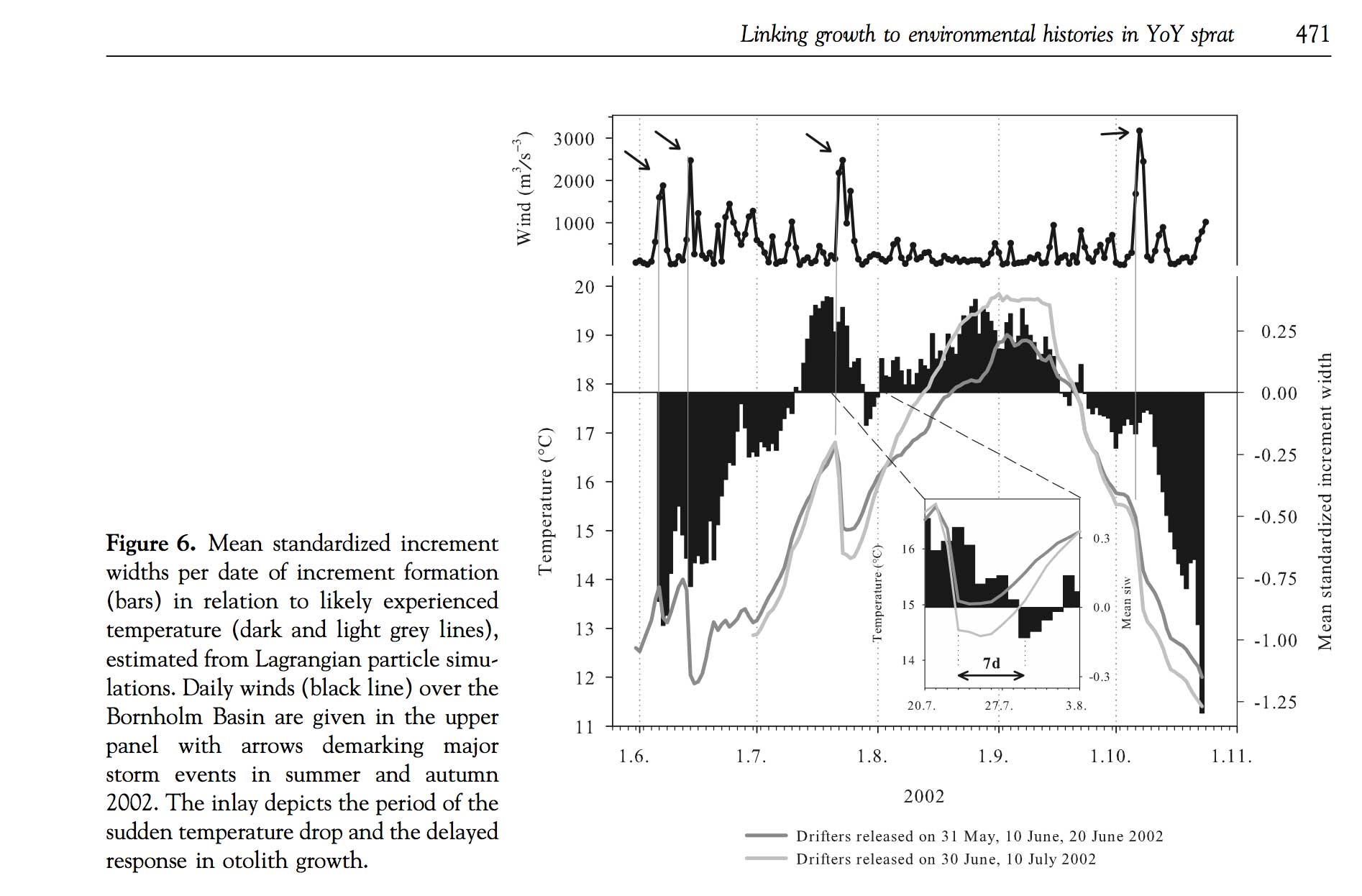
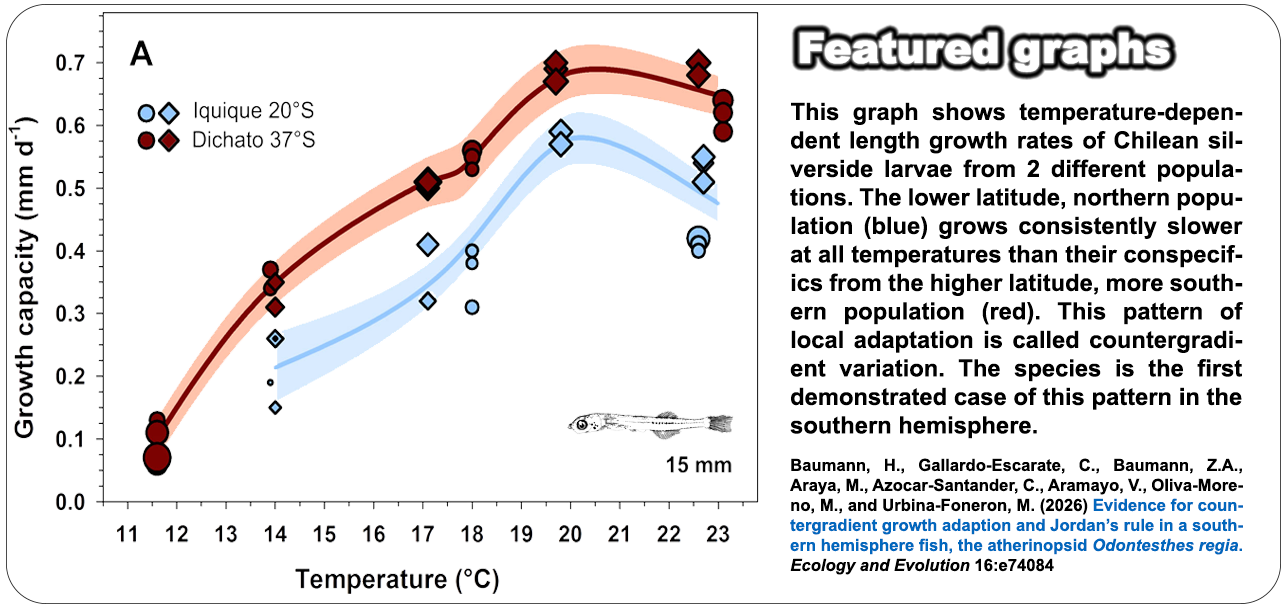
The ‘Evolutionary Fish Ecology’ Lab at the Department of Marine Sciences uses experimental, field, and modeling approaches to address the central question, how coastal marine fish will cope with the simultaneous changes in their environment caused by global and regional human stressors, and how they are already adapted to environmental variability in temperature, oxygen, or pH.
Baumann faculty profile | CV | Google Scholar | ResearchGate | Publons | ORCID
Previous posts
-
No luck in Caleta Sierra
-
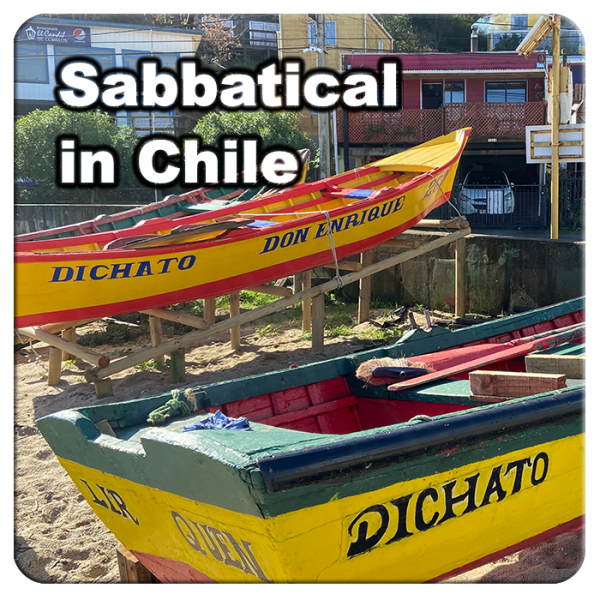
Chilean silversides are spawning in Iquique and Dichato
-
Hannes back in Chile to repeat common garden experiment!
-
Summer night seining in Mumford Cove
-
NSF-REU student Elizabeth Estrada had a busy summer
-
Can adult black sea bass overwinter in Long Island Sound?
-
Hannah & Kaitlyn present black sea bass research at SNEC2025
-
Our lab presents sandlance research at LFC48 in Quebec!
-
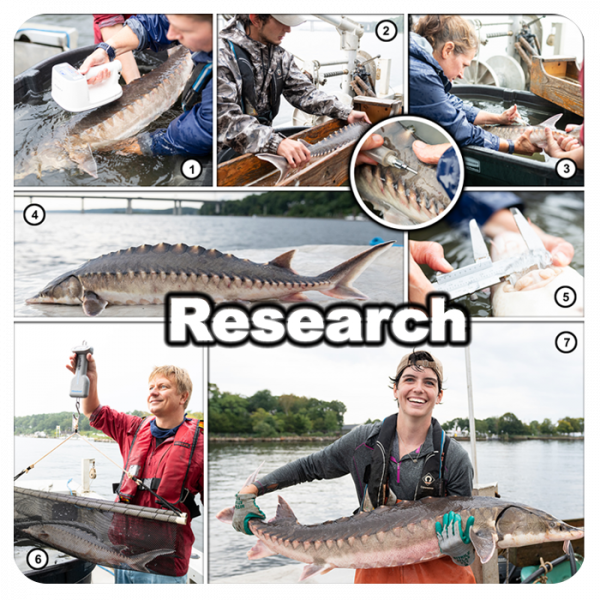
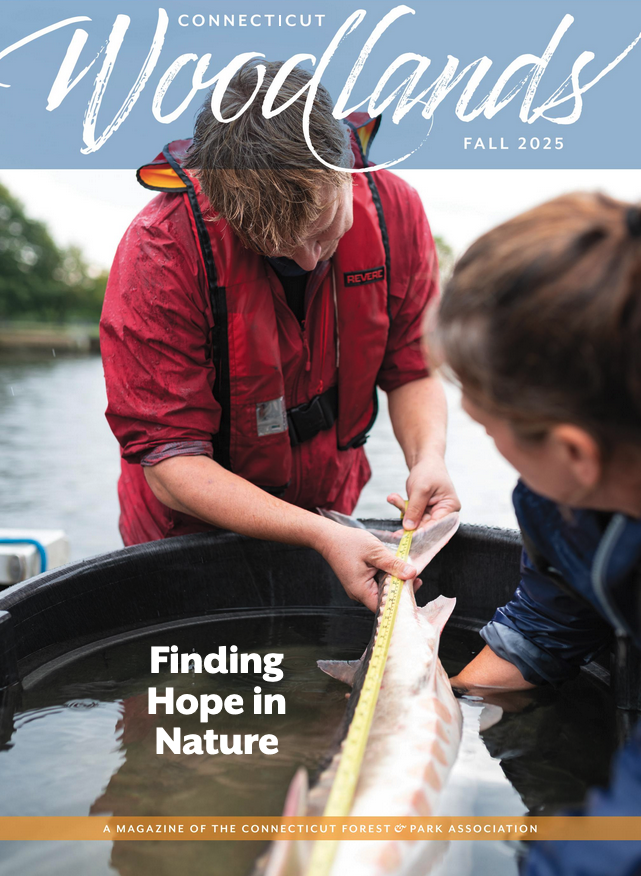
Could Endangered Sturgeon Make a Comeback in the Connecticut River?
-
What sand lance species inhabits the Hudson Bay?
-
Beachseining at night. In a snowstorm. For sandlance.
-
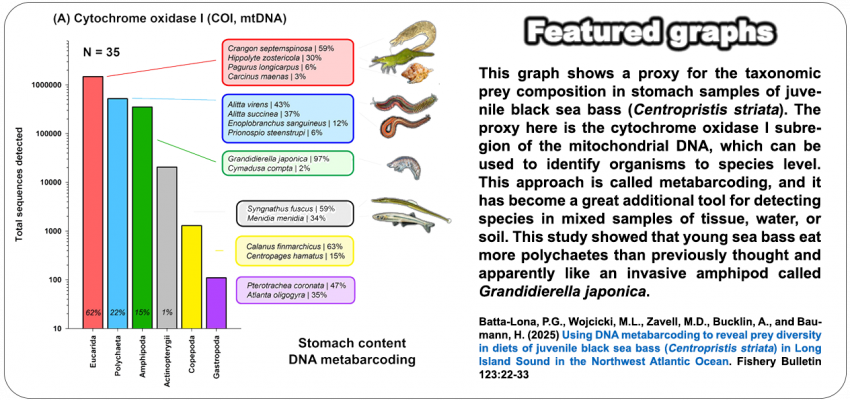
Fishery Bulletin publishes black sea bass diet metabarcoding study
-
Trawling for sand lance at the Revolution offshore wind field
EXPLORE
Shot of the month

Continuously NSF-funded since 2008