Web cookies (also called HTTP cookies, browser cookies, or simply cookies) are small pieces of data that websites store on your device (computer, phone, etc.) through your web browser. They are used to remember information about you and your interactions with the site.
Session Management:
Keeping you logged in
Remembering items in a shopping cart
Saving language or theme preferences
Personalization:
Tailoring content or ads based on your previous activity
Tracking & Analytics:
Monitoring browsing behavior for analytics or marketing purposes
Session Cookies:
Temporary; deleted when you close your browser
Used for things like keeping you logged in during a single session
Persistent Cookies:
Stored on your device until they expire or are manually deleted
Used for remembering login credentials, settings, etc.
First-Party Cookies:
Set by the website you're visiting directly
Third-Party Cookies:
Set by other domains (usually advertisers) embedded in the website
Commonly used for tracking across multiple sites
Authentication cookies are a special type of web cookie used to identify and verify a user after they log in to a website or web application.
Once you log in to a site, the server creates an authentication cookie and sends it to your browser. This cookie:
Proves to the website that you're logged in
Prevents you from having to log in again on every page you visit
Can persist across sessions if you select "Remember me"
Typically, it contains:
A unique session ID (not your actual password)
Optional metadata (e.g., expiration time, security flags)
Analytics cookies are cookies used to collect data about how visitors interact with a website. Their primary purpose is to help website owners understand and improve user experience by analyzing things like:
How users navigate the site
Which pages are most/least visited
How long users stay on each page
What device, browser, or location the user is from
Some examples of data analytics cookies may collect:
Page views and time spent on pages
Click paths (how users move from page to page)
Bounce rate (users who leave without interacting)
User demographics (location, language, device)
Referring websites (how users arrived at the site)
Here’s how you can disable cookies in common browsers:
Open Chrome and click the three vertical dots in the top-right corner.
Go to Settings > Privacy and security > Cookies and other site data.
Choose your preferred option:
Block all cookies (not recommended, can break most websites).
Block third-party cookies (can block ads and tracking cookies).
Open Firefox and click the three horizontal lines in the top-right corner.
Go to Settings > Privacy & Security.
Under the Enhanced Tracking Protection section, choose Strict to block most cookies or Custom to manually choose which cookies to block.
Open Safari and click Safari in the top-left corner of the screen.
Go to Preferences > Privacy.
Check Block all cookies to stop all cookies, or select options to block third-party cookies.
Open Edge and click the three horizontal dots in the top-right corner.
Go to Settings > Privacy, search, and services > Cookies and site permissions.
Select your cookie settings from there, including blocking all cookies or blocking third-party cookies.
For Safari on iOS: Go to Settings > Safari > Privacy & Security > Block All Cookies.
For Chrome on Android: Open the app, tap the three dots, go to Settings > Privacy and security > Cookies.
Disabling cookies can make your online experience more difficult. Some websites may not load properly, or you may be logged out frequently. Also, certain features may not work as expected.
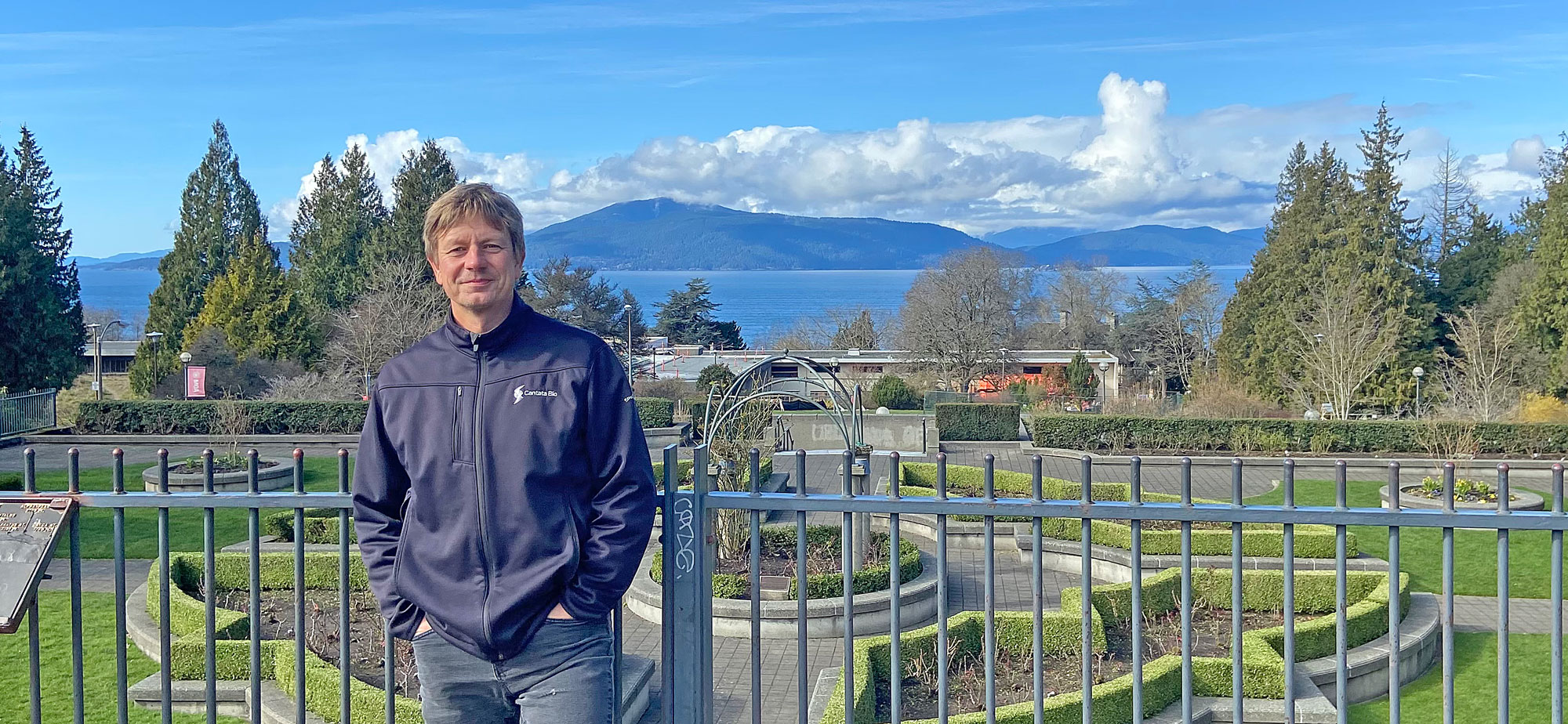
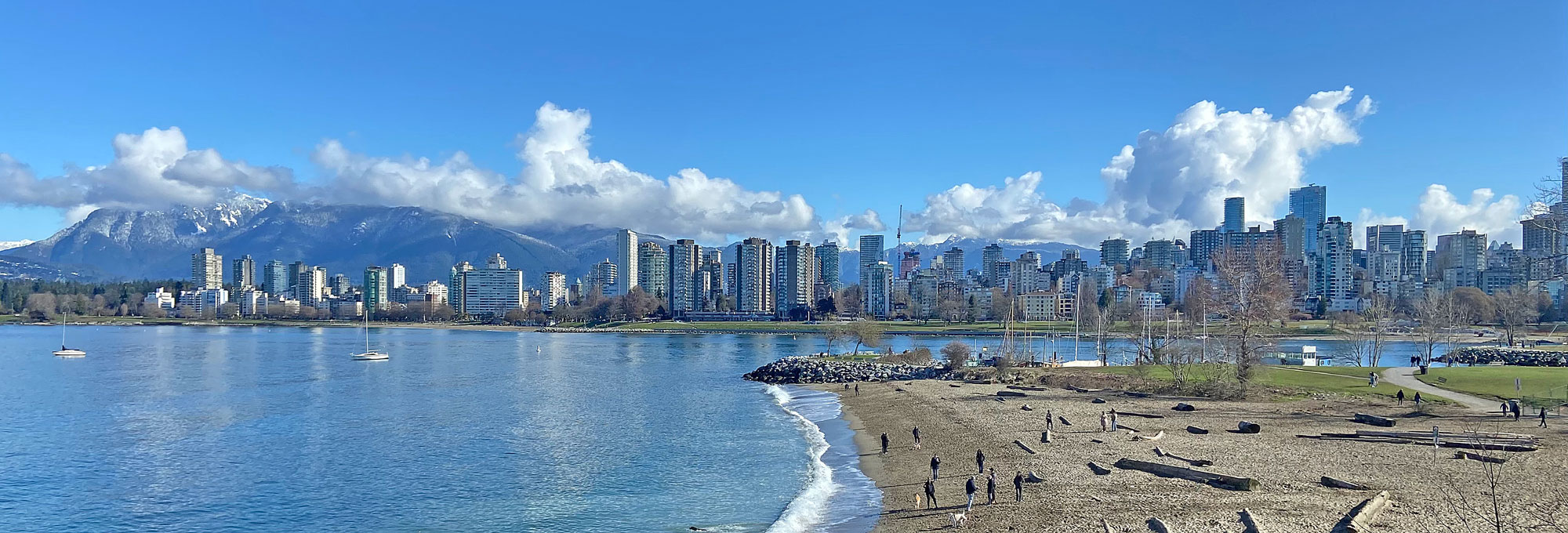
Vancouver, 15 March 2026. Hannes spent 3 beautifully intense days at the University of British Columbia, following an invitation by Profs. Andrea Frommel and Colin Brauner to talk at their Comparative Physiology seminar series about our soon to be published synthesis work on black sea bass overwinter migrations. Thank you Andrea, for the comfortable stay at your house and thanks to all the faculty and students who generously shared their time to meet and talk about our respective research experiences. Thank you, Colin, for showing me the aquatic research facilities and the biodiversity center!
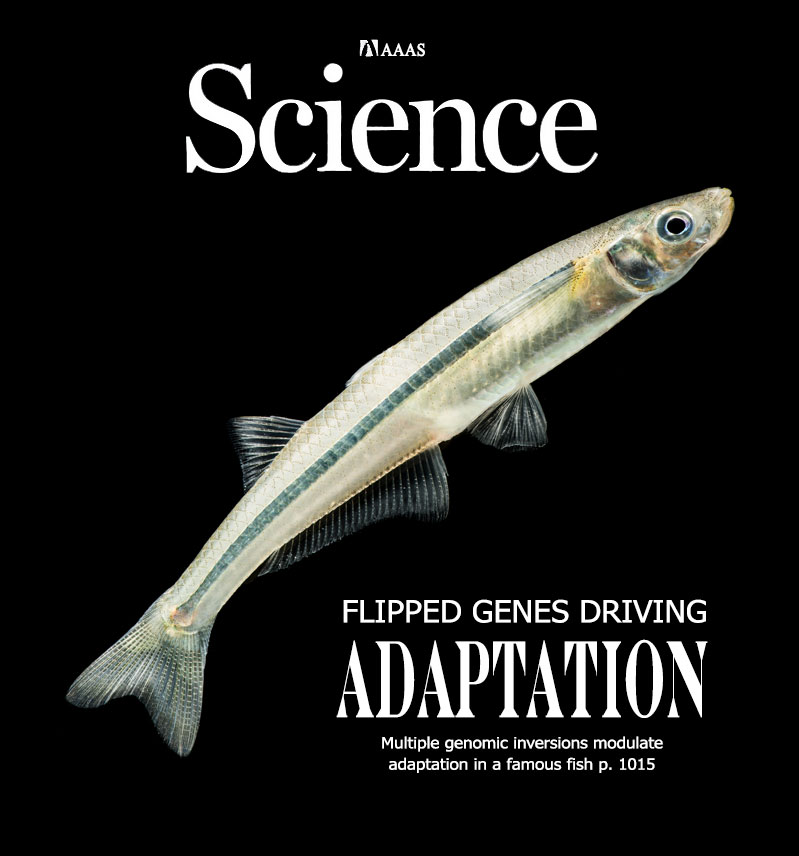
When a species lives in two distinct types of habitats, individuals with traits better suited to each habitat will thrive and reproduce, naturally selecting descendants with those traits. But what about mobile, aquatic species that live across a broad range of temperatures and latitudes? How do they maintain their genetic differences if individuals are free to mix and interbreed?
New research published on 5 March 2026 in Science finds that chromosomal inversions – which occur when a chunk of chromosome containing tens to thousands of genes breaks off, flips 180 degrees and reattaches to the same chromosome – play a central role in shaping these advantageous adaptations.
Read the whole story at UConn Today (9 March 2026)
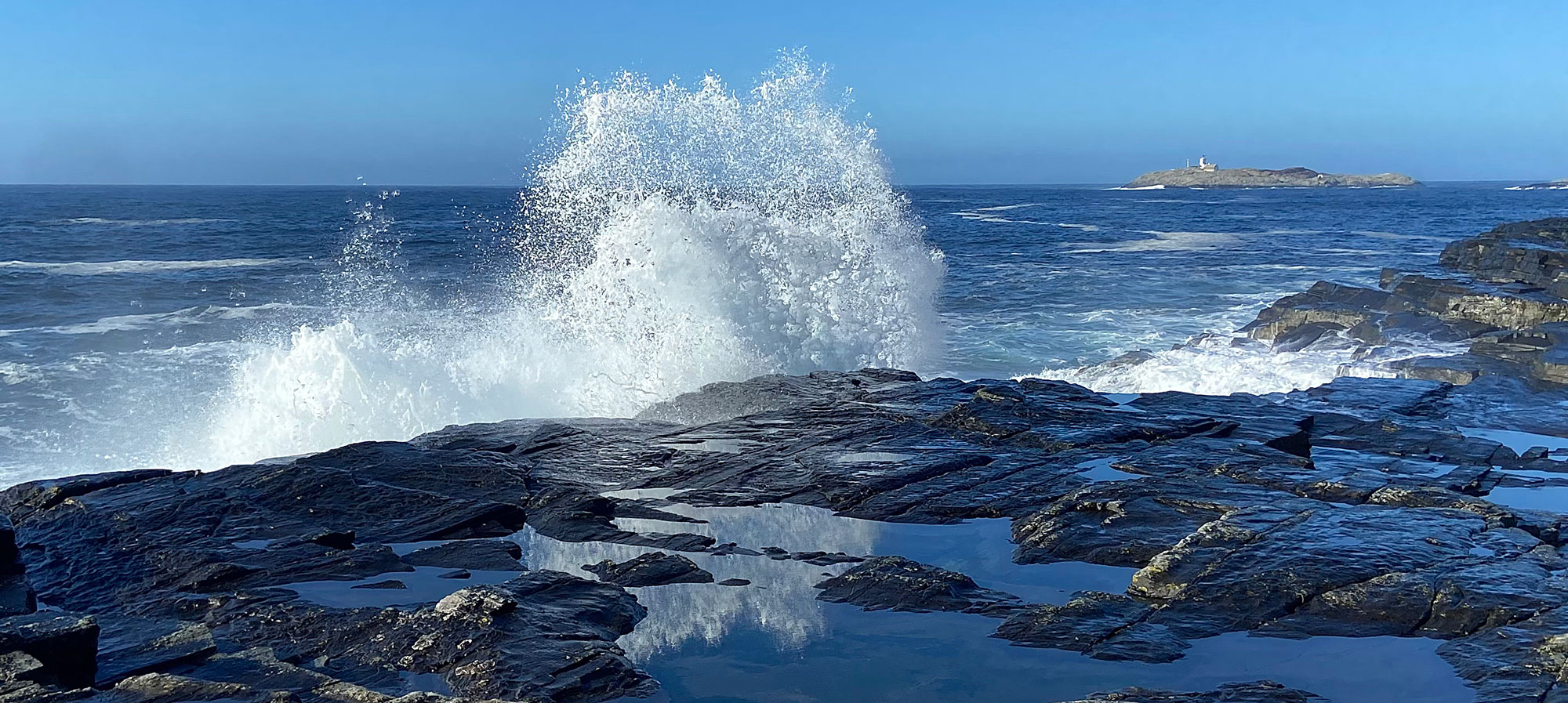
1 March 2026. Hannes just returned from a weeklong trip to Norway, where he spread the word about our lab's sand lance research to colleagues and the Water Research Institute (NIVA) in Oslo and the Marine Research Institute (IMR) in Austevoll near Bergen.
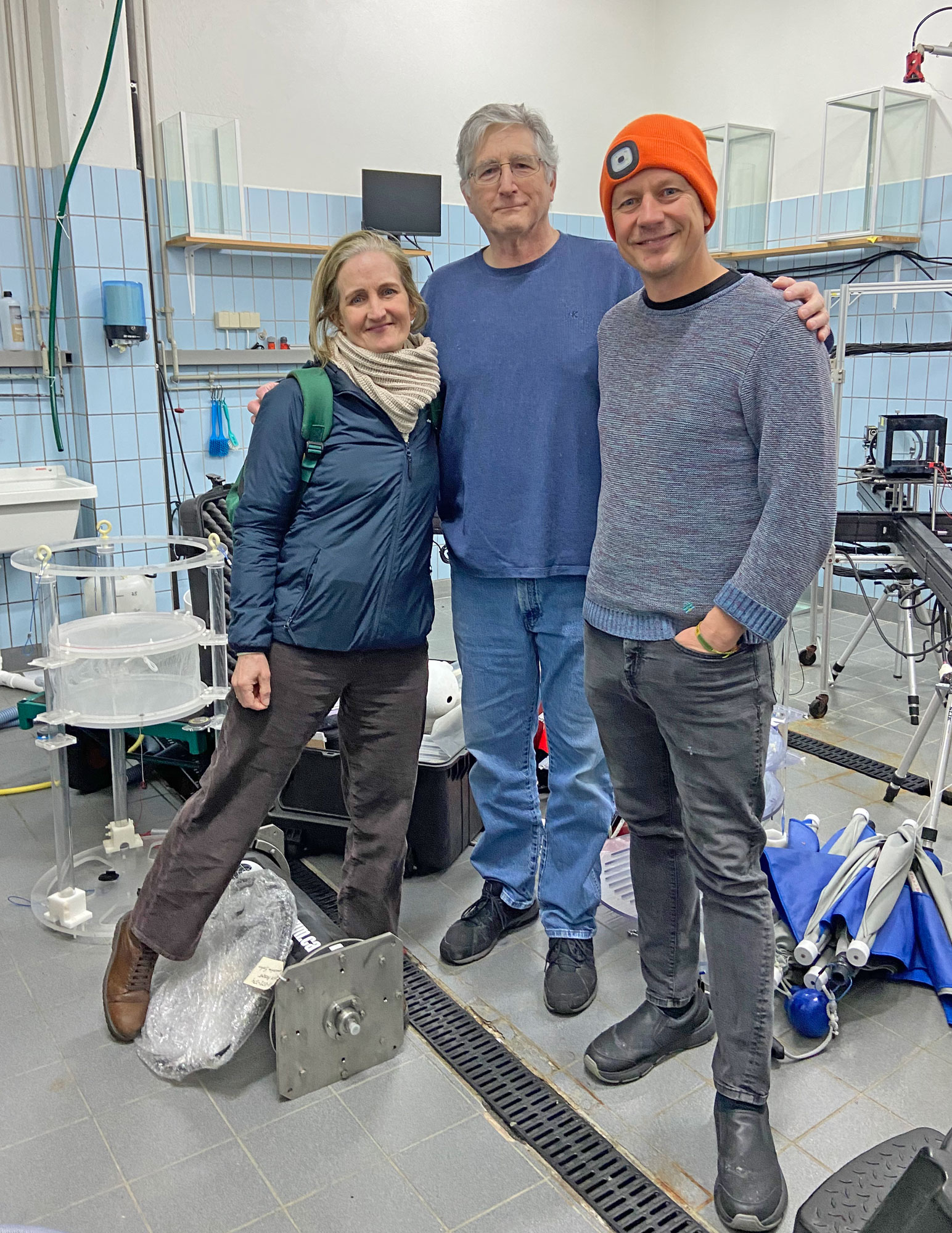
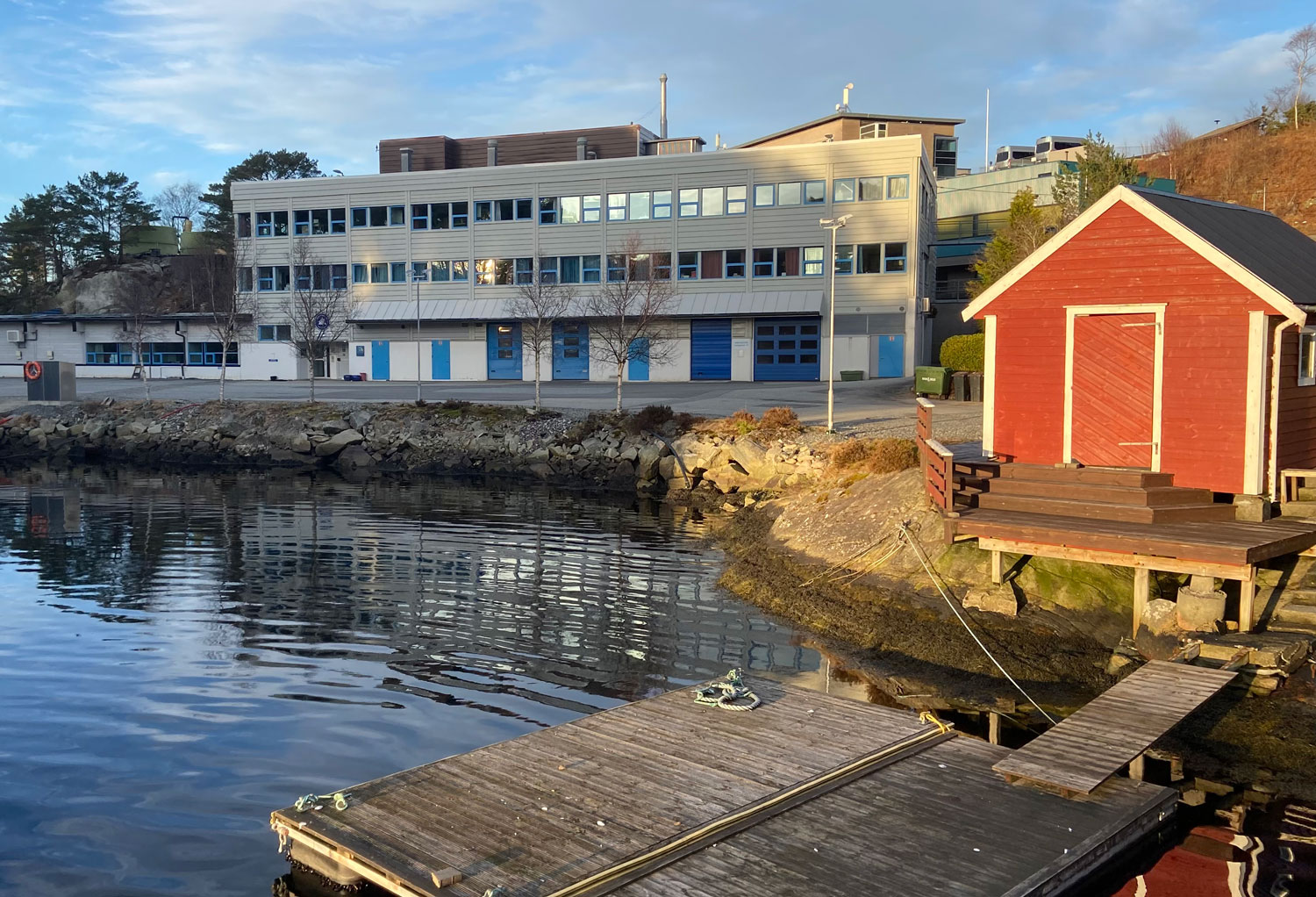
Austevoll, the world-famous marine research station, has also been PhD student Emma Siegfried's home for the past 2 1/2 months. Emma became the first US recipient of a European Union exchange fellowship (AQUASERV program) that covered the costs of her stay and her research in Norway. The goal of her project is to rear embryos of a local sand lance species, the Lesser sandeel Ammodytes marinus, under different levels of CO2 to then compare the results to what is already known for the Northern sand lance A. dubius on the western side of the Atlantic ocean.
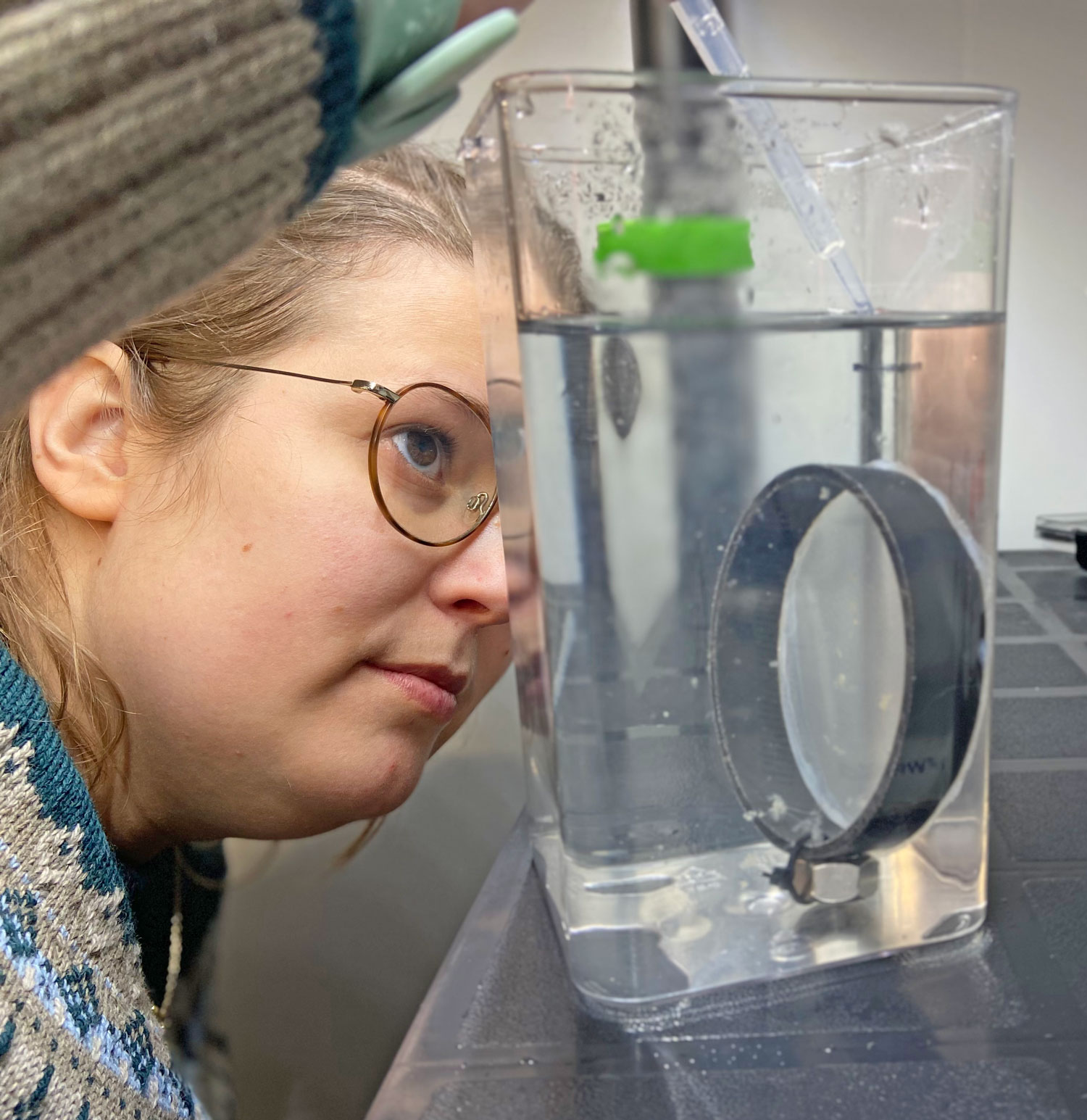
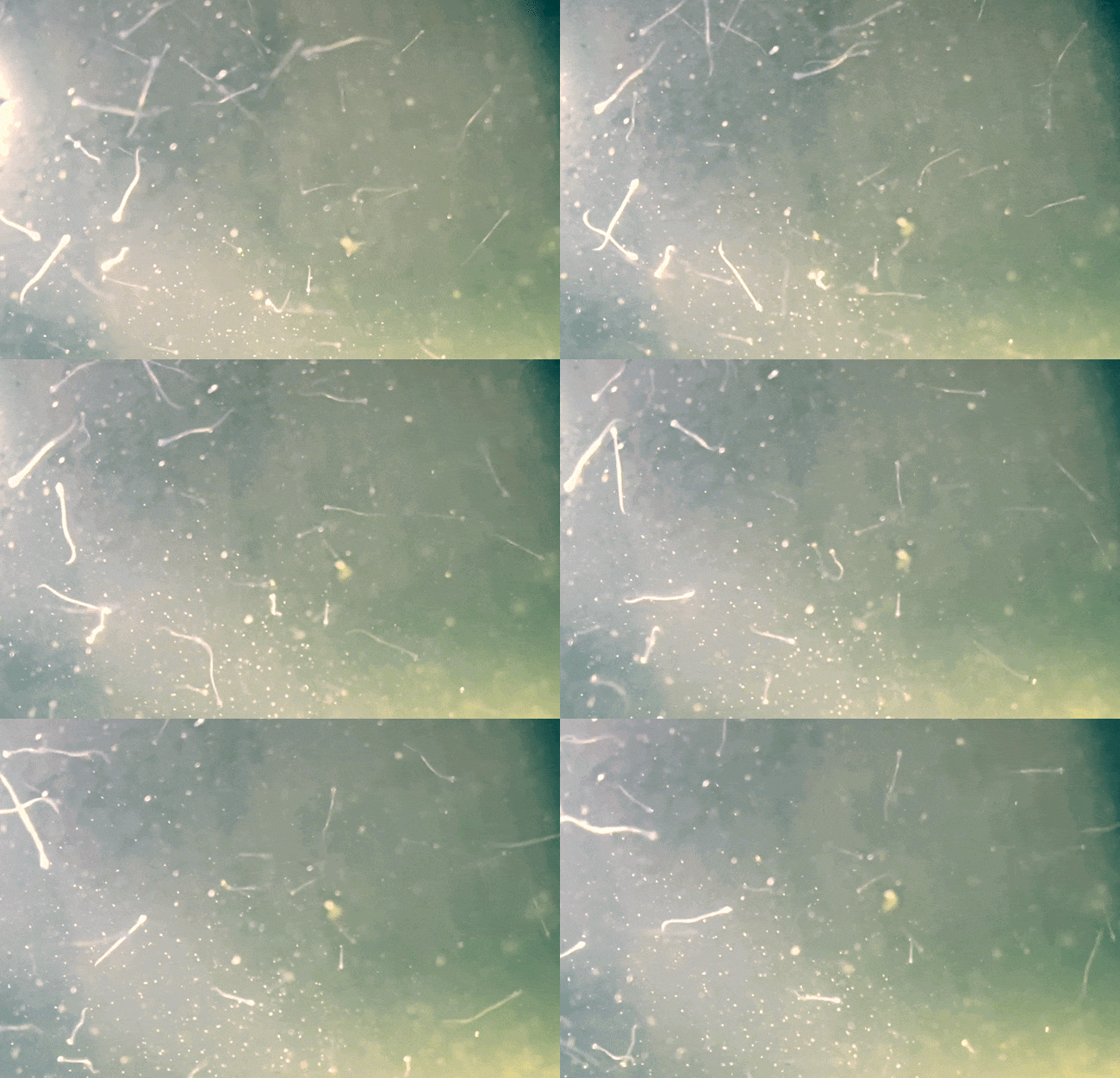
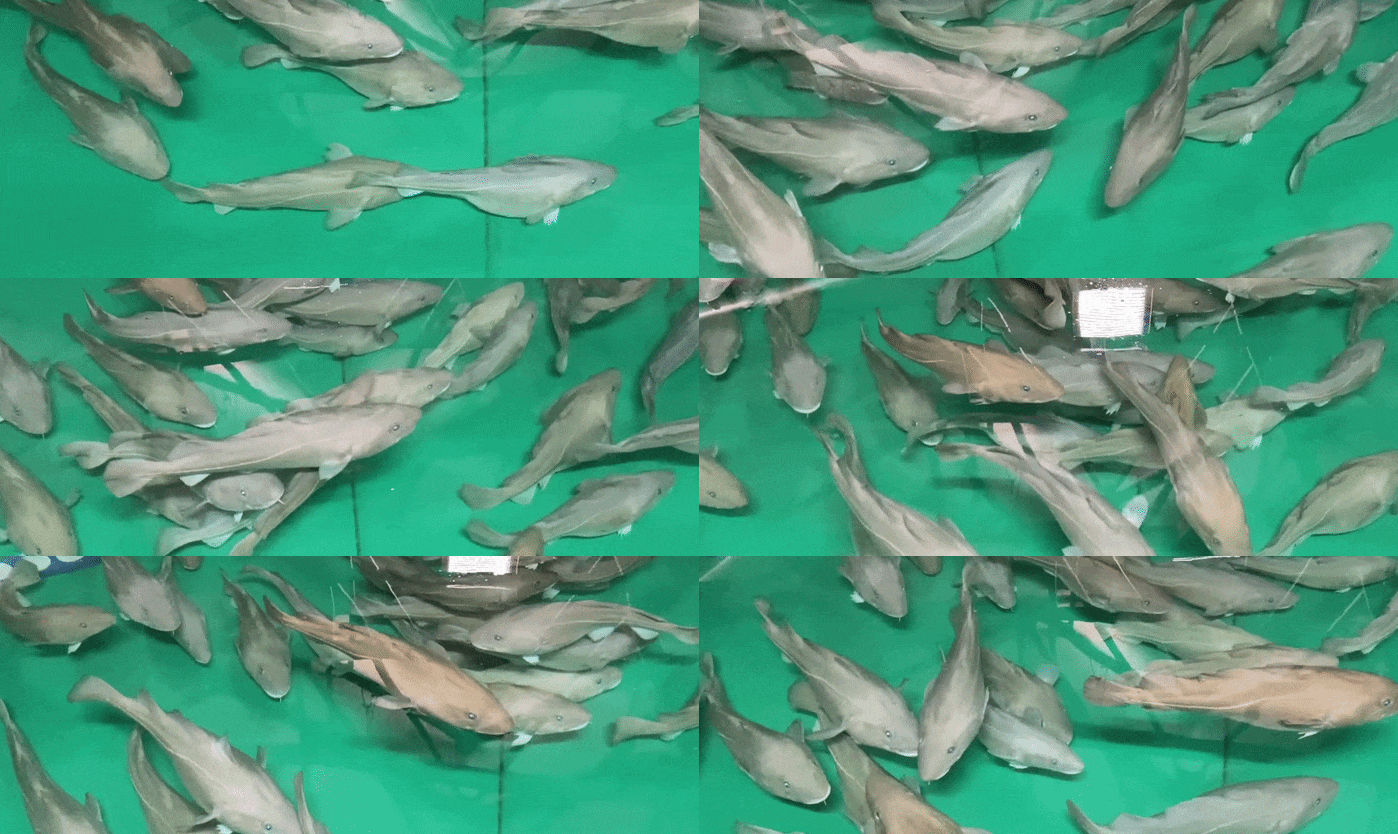
Emma's experiment has been a success so far, thanks in no small part to the incredible help of our Norwegian collaborators. Every one at the station has been welcoming, friendly and eager to show us the large-scale aquaculture research on cod, halibut, haddock, plaice and many other fish species that is being conducted here every day of the year.
As we gape at the impressive tanks and installations, as we chat eagerly about deepening our collaborative ties and enjoy Norwegian hospitality and nature, we feel that this may indeed be the beginning of another great chapter of sand lance science to come.
Emma returns to the US on 12. March 2026, eager to work up the collected data and tell her peers about the experience.