Iquique

The Chilean silverside experiment begins to produce data!


29 October 2025. While the fish from Dichato in the coldest treatment have just begun to hatch, their conspecifics from Iquique and Dichato growing at the warmest temperatures have already more than doubled their size at hatch and are therefore ready for a first length sample. This is always a particularly sweet and rewarding moment, when after all the work to get to this point - it now finally arrived.

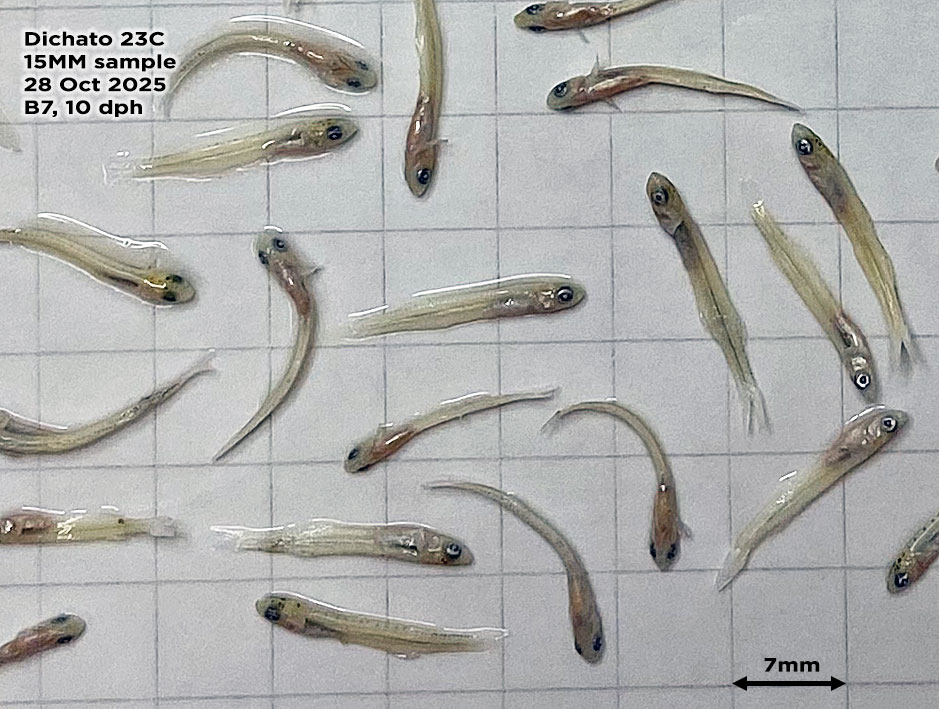
In each rearing container, 80 fish remain to grow further, while the rest is sampled, preserved in ethanol and then measured via calibrated pictures. Then the size difference between hatch and the first time point is divided by the number of days to obtain our first growth rate estimates of the second experiment!
DI14-hatchday_5
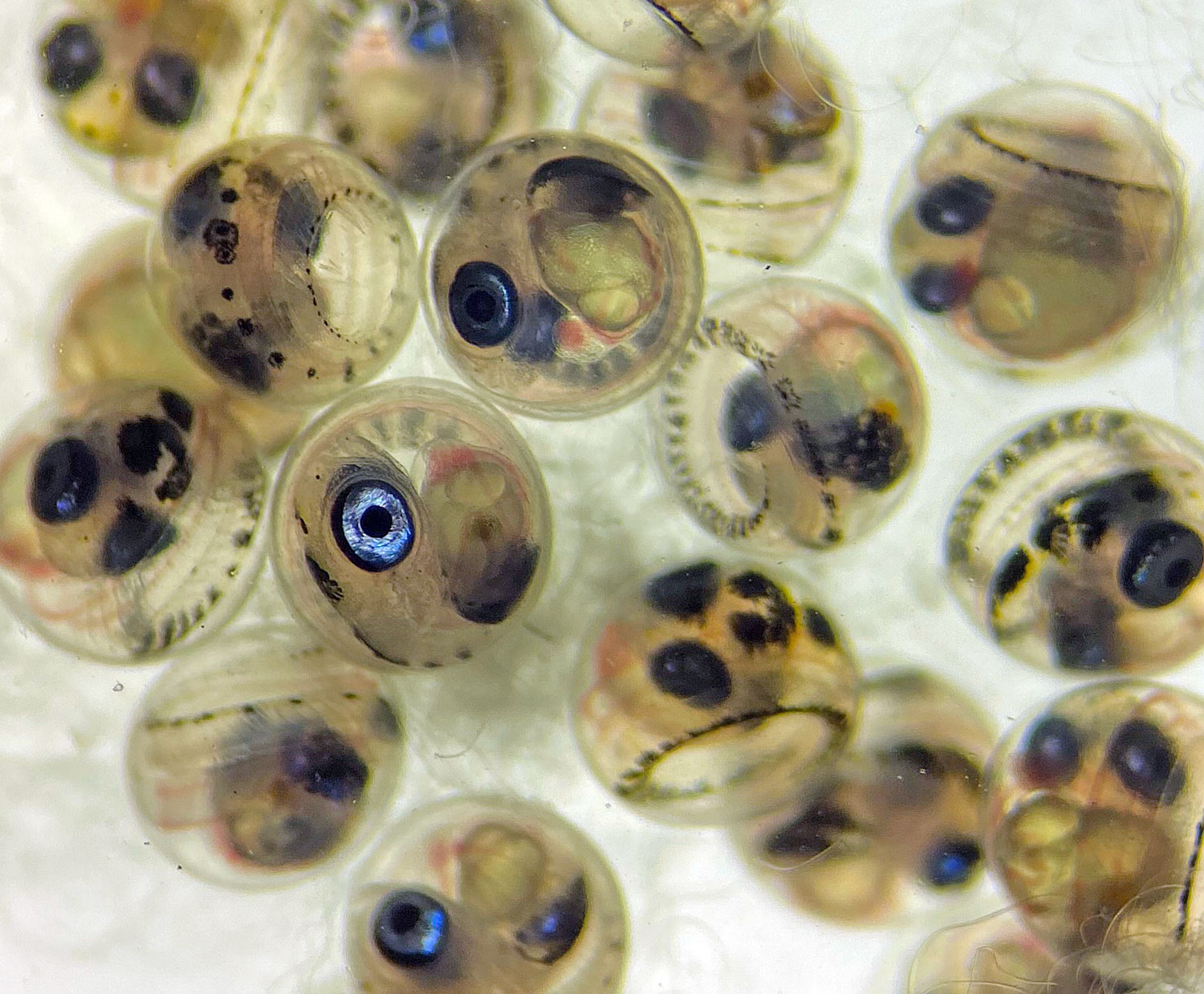
On 29 October, the embryos from Dichato are about to hatch in the 14C treatment

IQ20---hatch---16OCT25
Newly hatched larvae from the Iquique population (20C treatment)

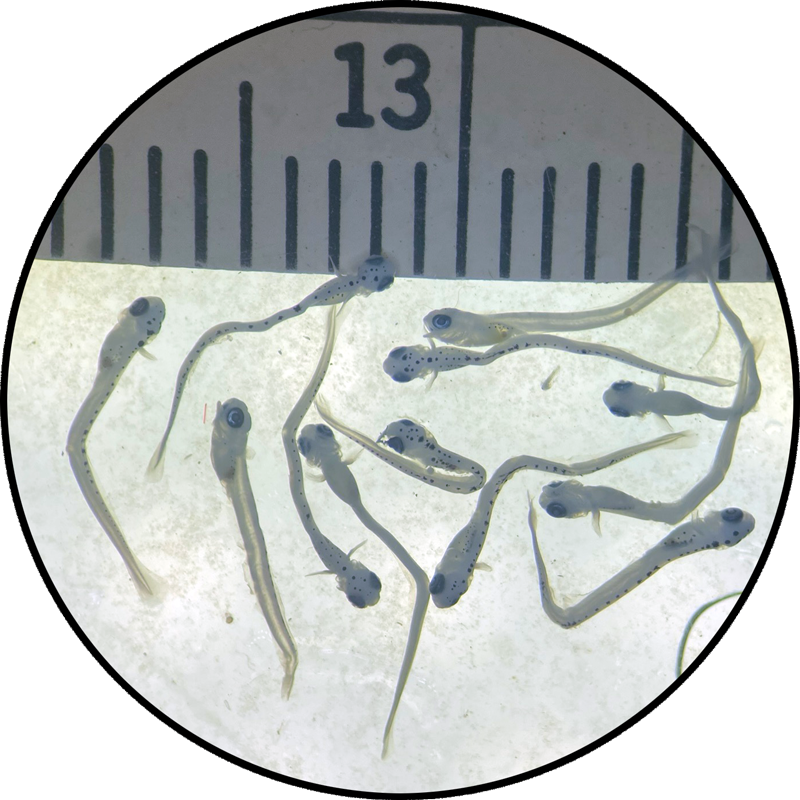
DI23---B7---15MM---28OCT25
10 day old larvae from the 23C treatment, photographed on a gridded background to later measure them digitally

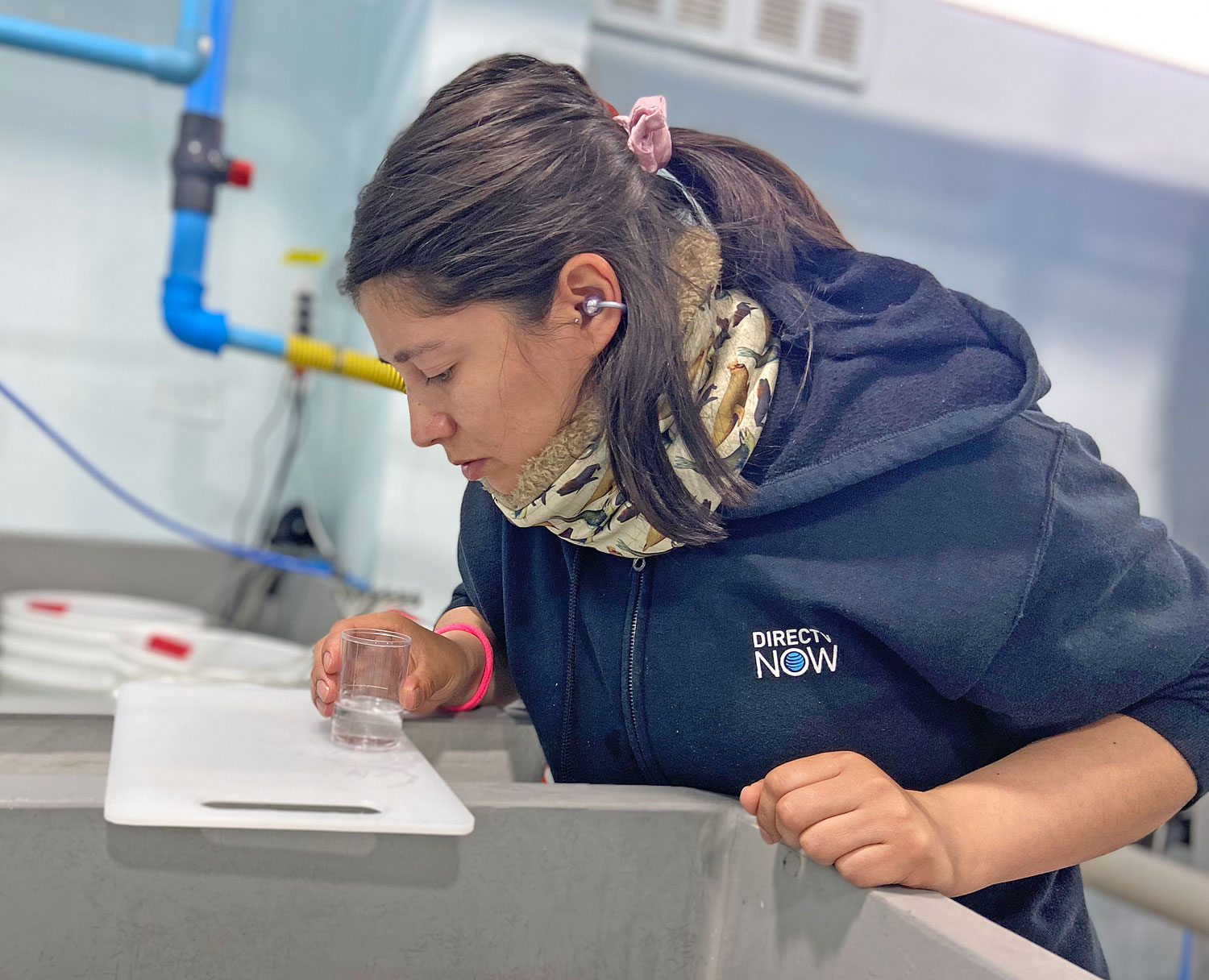
TamaraCuevas
On 20 October, Tamara Cuevas helps distribute newly hatched larvae into replicate rearing containers

Chilean silversides are spawning in Iquique and Dichato

7 October 2025. Its been a truly wild last few days. In Dichato, we were racing against time to get all the setup ready, including an emergency bus trip overnight to Santiago to retrieve the missing chillers from a central aquarium store, and a Saturday morning frenzied work session to get everything up and running before the first sampling trip to the north. On Saturday night Hannes flew to the desert city of Iquique at 20S, a place of unreal beauty and harsh landscapes of sand, rocks, and ocean.

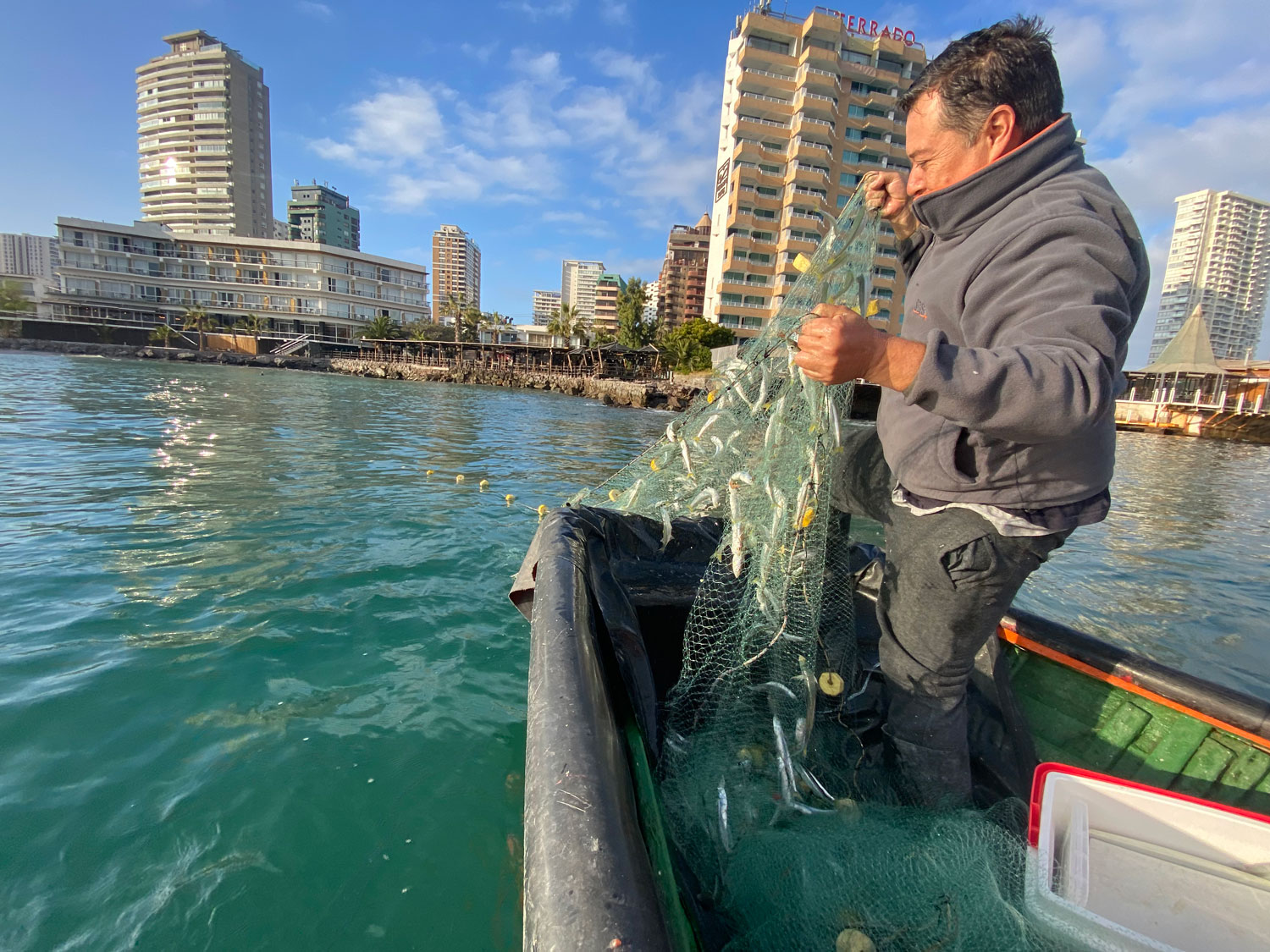
Thanks to the incredible help and expertise from local collaborators Prof. Miguel Araya and Dr. Cristian Asocars, the Sunday (5 Oct) morning  fishing via gill net was almost too good to be true. With just one cast, we caught upwards of 400 Chilean silversides, all running ripe - perhaps inspired as we often found for northern hemisphere silversides - by the full moon. The fertilization in the boat and then transport of the embryos back to the lab via airplane all went without problems - a rare moment to cherish as an experimenter.

The kicker? The same full moon also appeared to entice the silversides in Dichato, and so a spontaneous fisherman went out with Hannes Tuesday night to - lo and behold - again catch all the fish, all running ripe, we needed to start the second population of the experiment.

48 hours. 2 populations more than thousand miles apart sampled and brought as embryos into the common garden experiment. Maybe I should consider a generous offering to San Pedro, the saint of the fishermen whose statue is in everything fishing harbor in Chile.

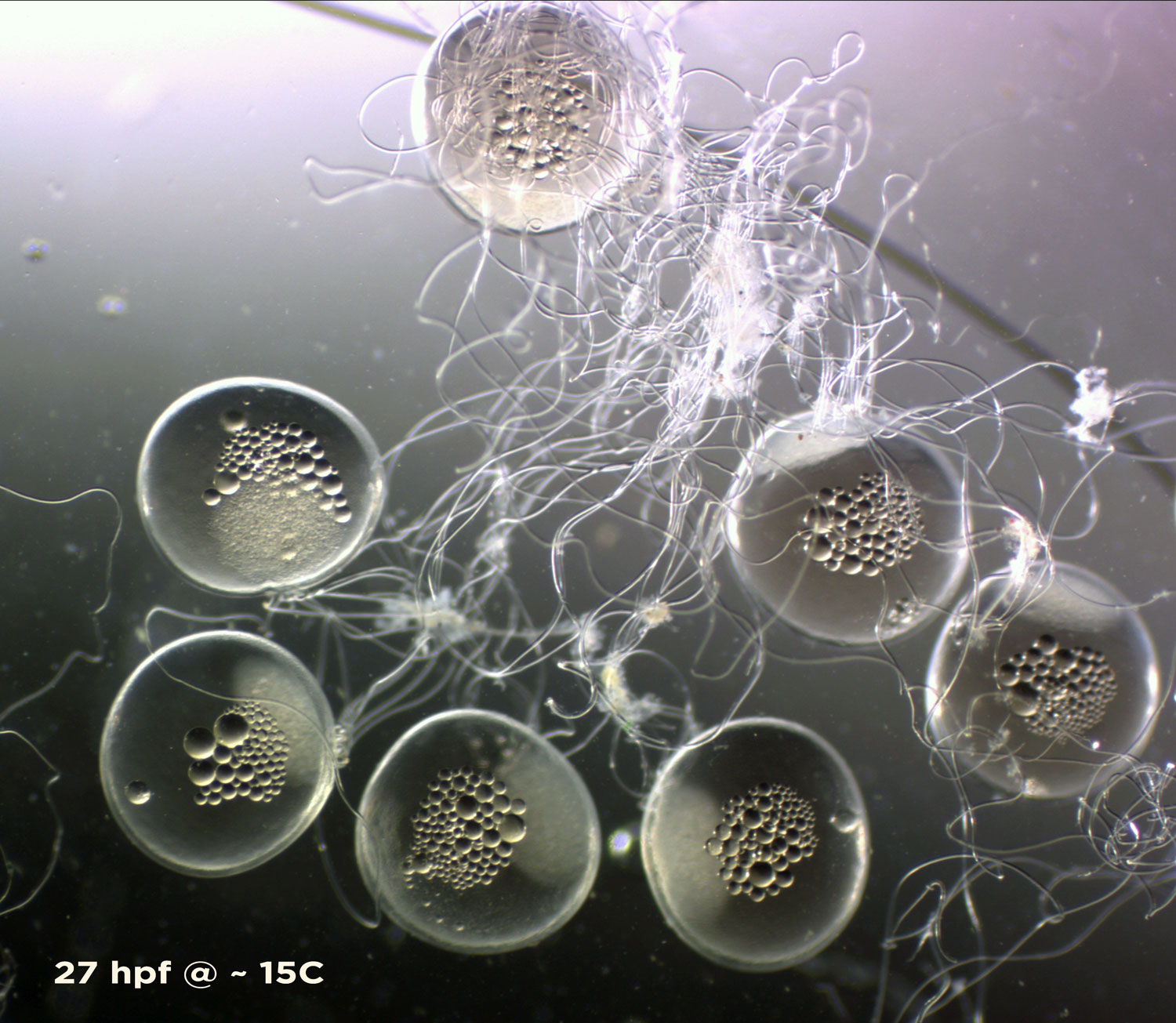
IQ-embryos27hpf
The day of fertilization, the cell division in the fertilized embryos is beginning.

Cristian-pejerrey
Cristian Azocar recovering the gill net full of spawning ripe silversides

lecture-class
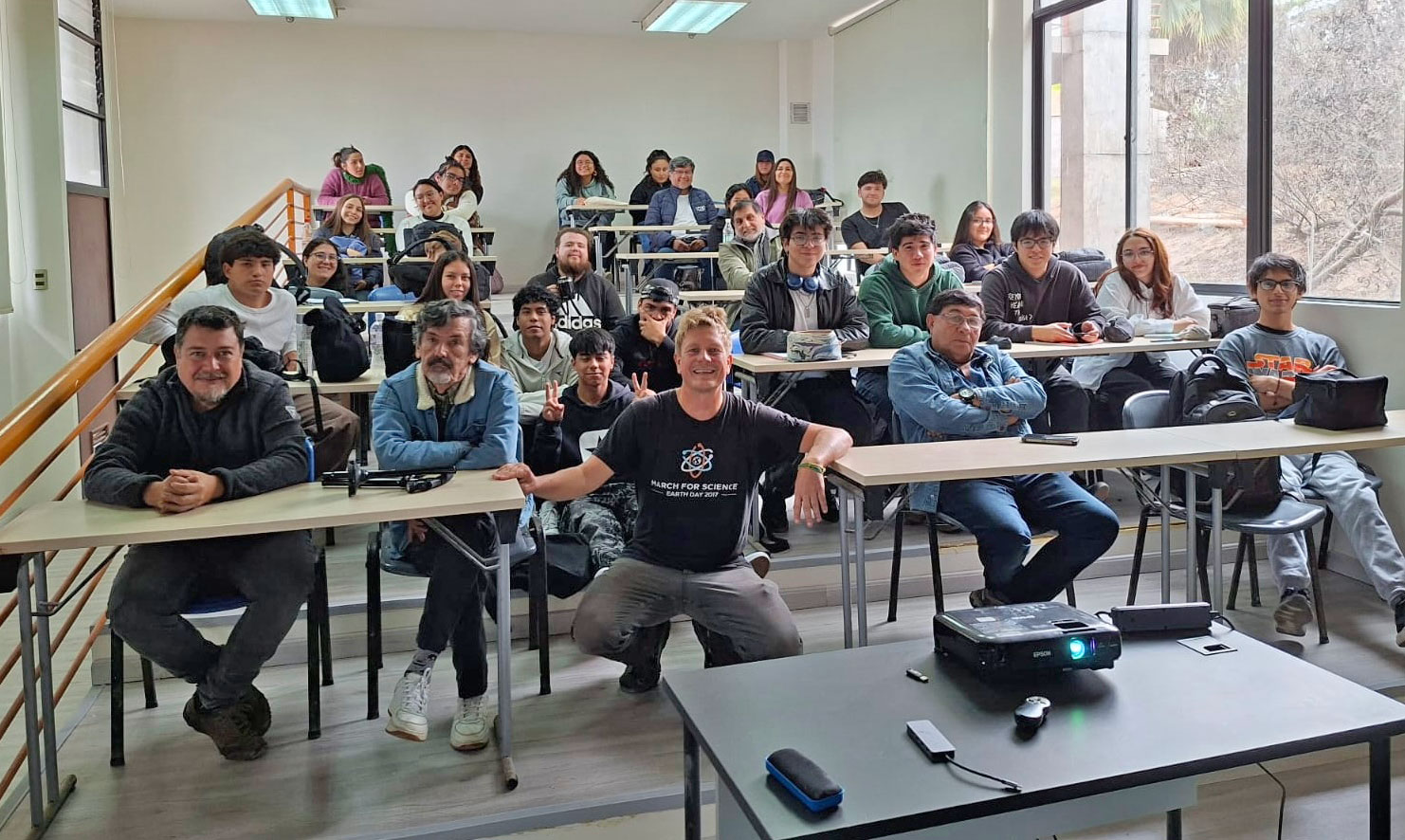
On 6 October 2025, Hannes gave a spontaneous talk in front of students and faculty of the Marine Science Department of the University Arturo Prat (UNAP) in Iquique