Nina Therkildsen

Ambitious Experiment Discovers ‘Flipped’ Genetic Secrets of a Small Fish

A grueling road trip led to an extraordinary experiment at UConn’s Rankin Seawater lab that discovered how inverted chromosomal segments help Atlantic silversides adapt

When a species lives in two distinct types of habitats, individuals with traits better suited to each habitat will thrive and reproduce, naturally selecting descendants with those traits. But what about mobile, aquatic species that live across a broad range of temperatures and latitudes? How do they maintain their genetic differences if individuals are free to mix and interbreed?

New research published on 5 March 2026 in Science finds that chromosomal inversions – which occur when a chunk of chromosome containing tens to thousands of genes breaks off, flips 180 degrees and reattaches to the same chromosome – play a central role in shaping these advantageous adaptations.

Read the whole story at UConn Today (9 March 2026)


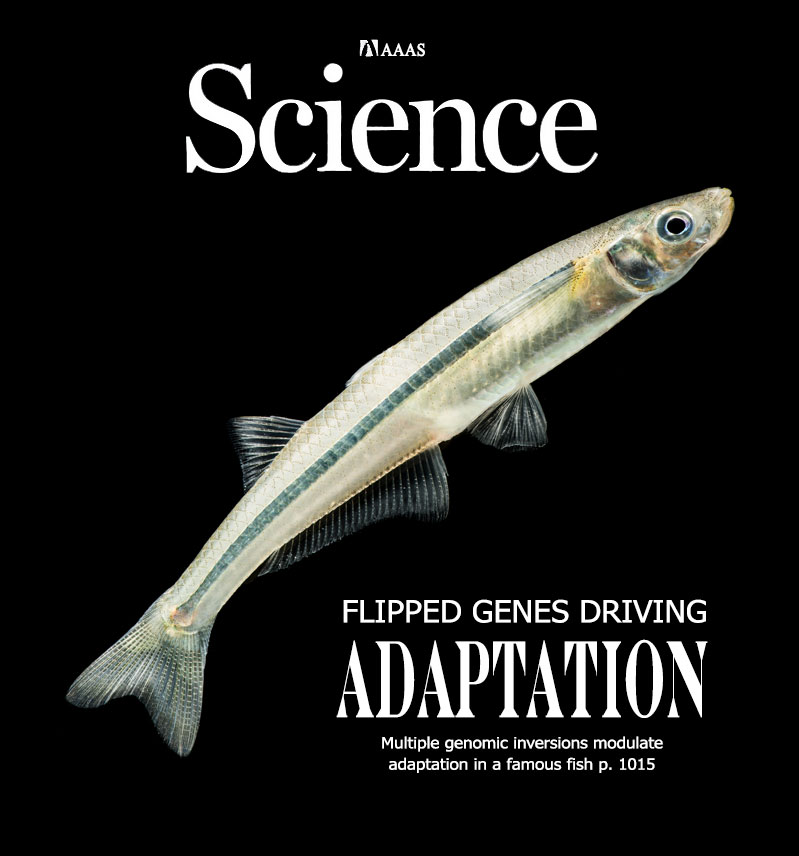
Alternative Science magazine cover featuring the Atlantic silverside
Science-inspired alternative of a cover featuring an adult Atlantic silverside

Another crazy road trip for genetic silverside research

15 May 2022. A full, blood red moon rises over Pine Island this Sunday evening. The sight makes not just humans swoon – its pull extents underwater to all kinds of critters that take it as cue for reproduction. Critters just like the Atlantic Silverside, which once again we pursue this season to extract more of its genomic 'secrets'.

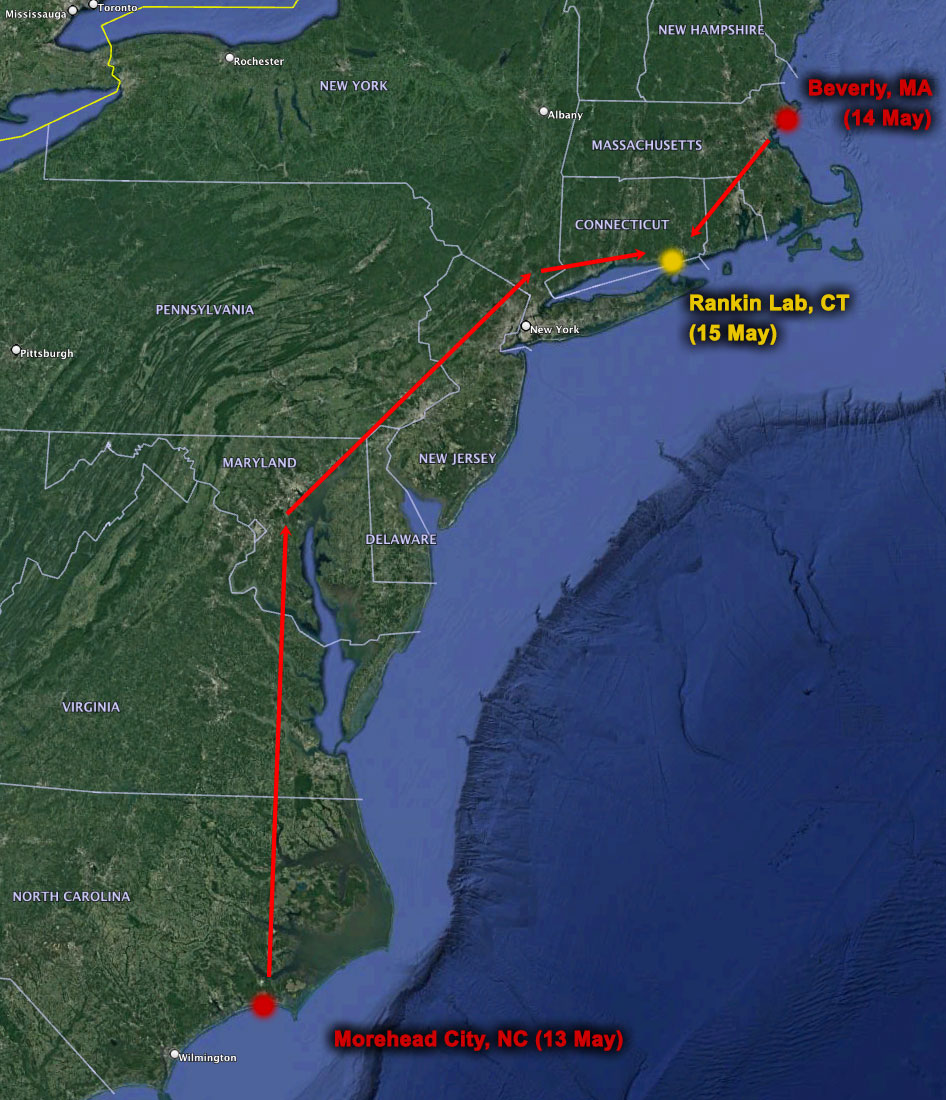
Specifically, it is this weekend that we embark on yet another ambitious road trip to find and sample spawning-ripe silversides from two very far apart places: Morehead City, North Carolina and Beverly, Massachusetts. The goal: transport spawners live from each population to UConn's Rankin Seawater lab and produce calculated crosses that will allow studying the role of genomic inversions in local adaptation.

The crew this time are Maria Akopyan and Jessica Rick from Cornell University, along with Lucas Jones and Hannes Baumann from UConn. Big shout-out to Tara Duffy for her help with beach seining at Beverly, MA. During the spawning event on May 15th, Nina Therkildsen also joined the efforts. The design and experiment are part of Jessi's successful NSF post-doctoral fellowship proposal, which the whole UConn-Cornell silverside team supports.

Click through the pictures below to retrace the steps of an exhausting but so far successful effort. Fingers crossed that all goes well during the next weeks, when the fish need to hatch, survive and grow, so they can be assessed for their traits.

Map-trip
The US east coast map illustrates our ambitious sampling plan.

ChesapeakeBridge-fog
On 12th May, fog envelopes the Chesapeake Bridge on our drive south to Morehead City, NC.

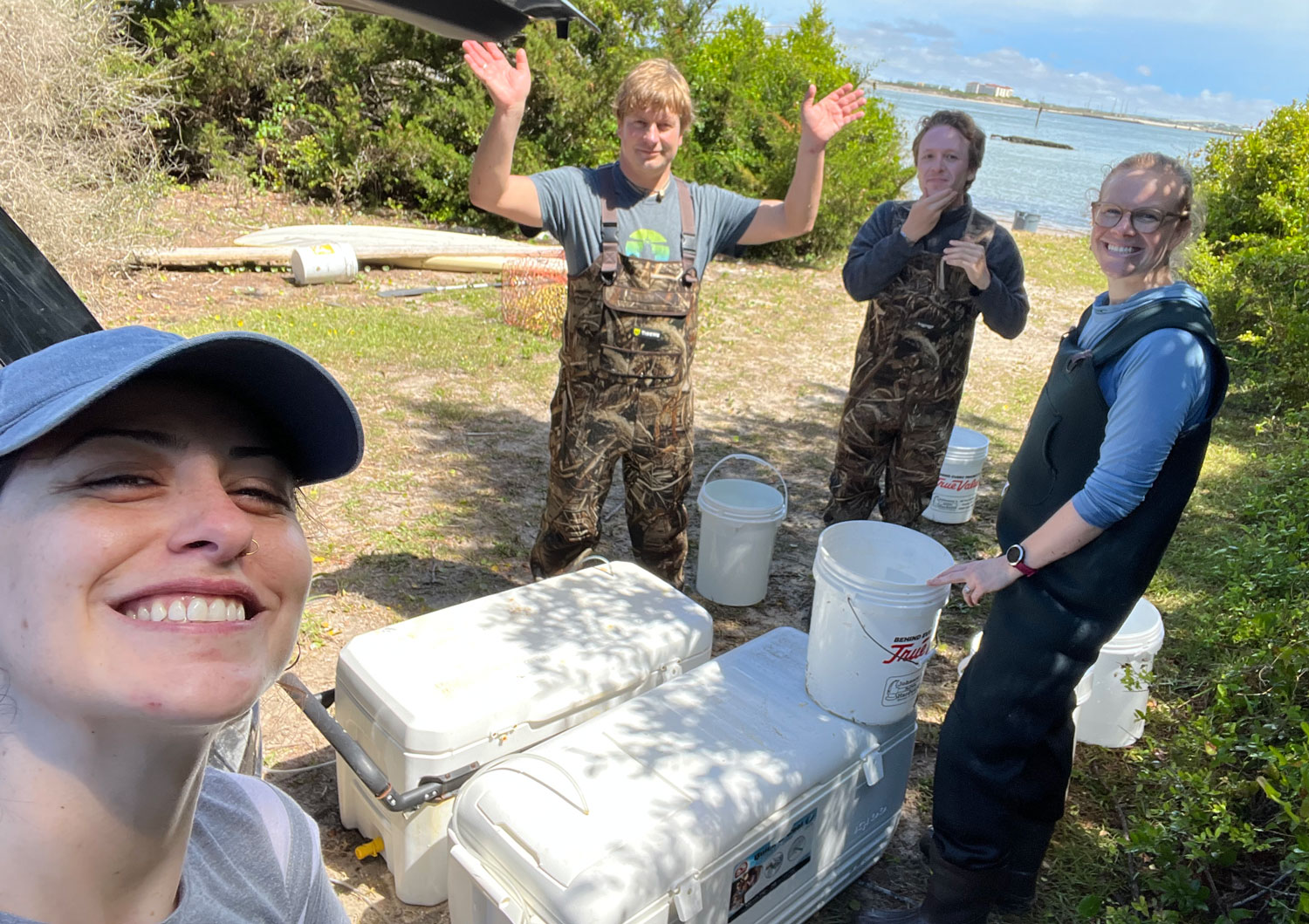
Morehead-City-beach-crew
Maria, Hannes, Lucas, and Jessi getting ready to beach seine the Morehead City site

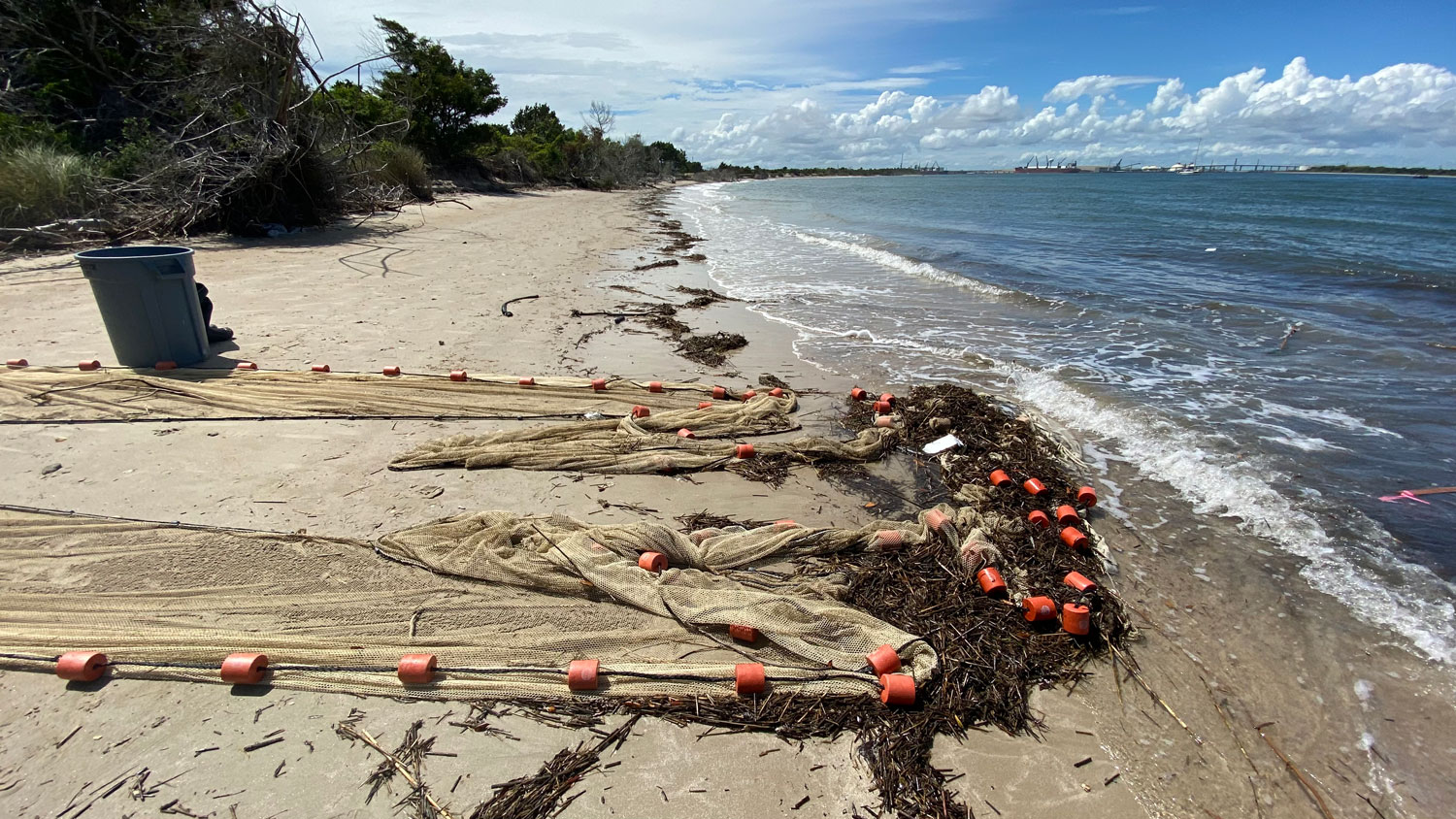
Morehead-City-beach-crew
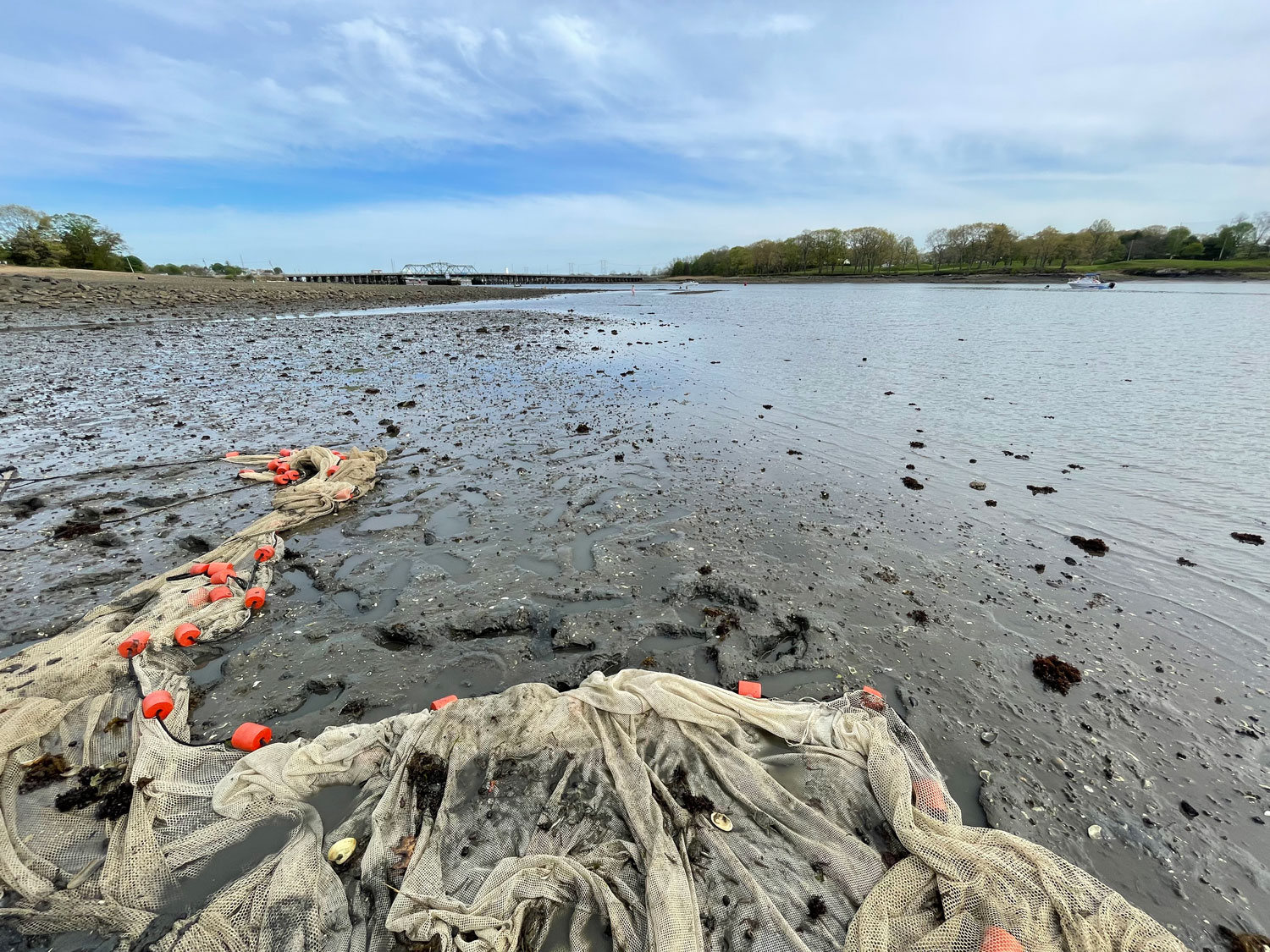
Our 100ft beach seine is being laid out on the Morehead City site.

MoreheadCity-Fish-Bucket
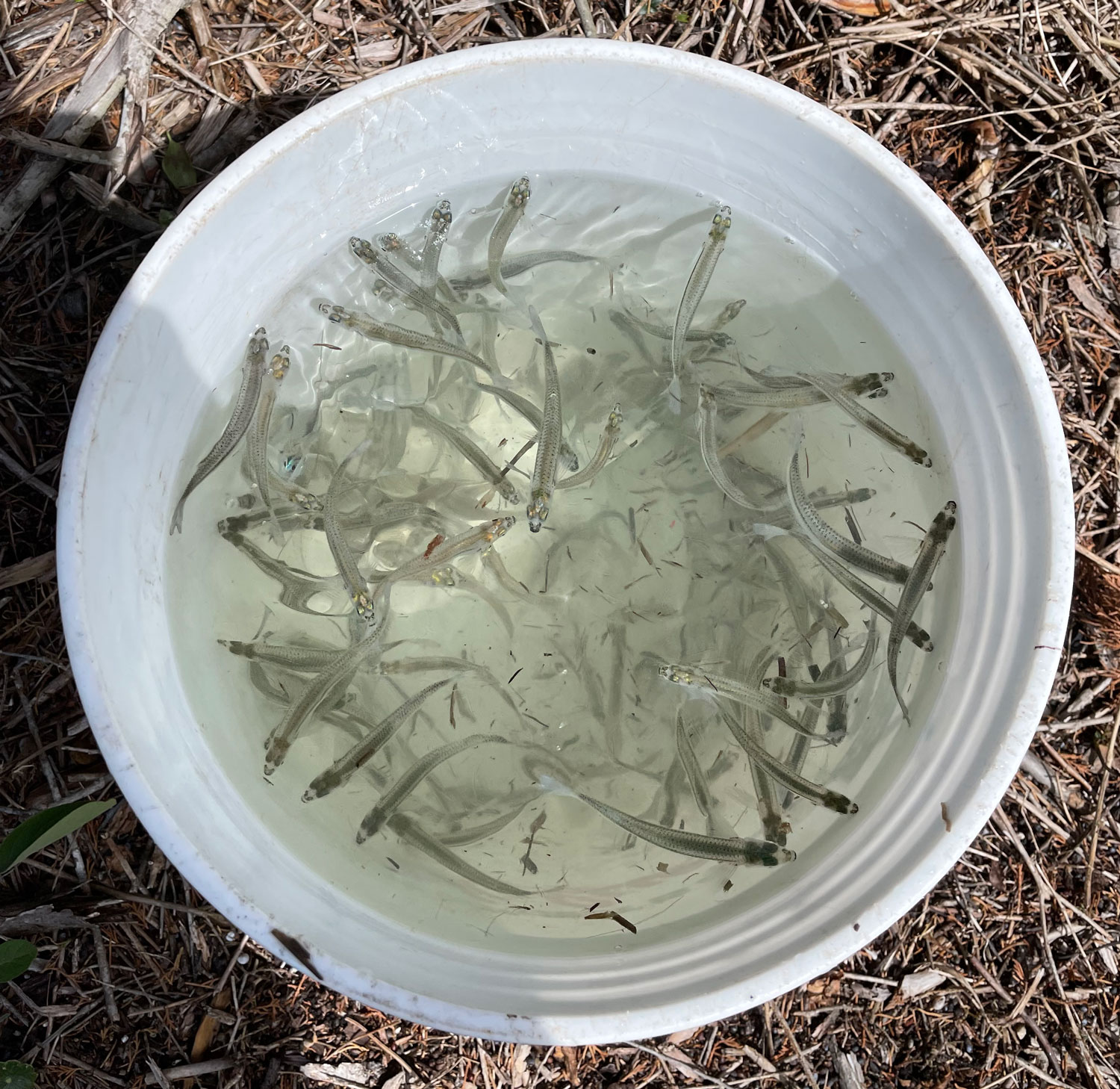
On May 13th, Atlantic silversides caught in Morehead City swim in a bucket.

Lucas-MC-car
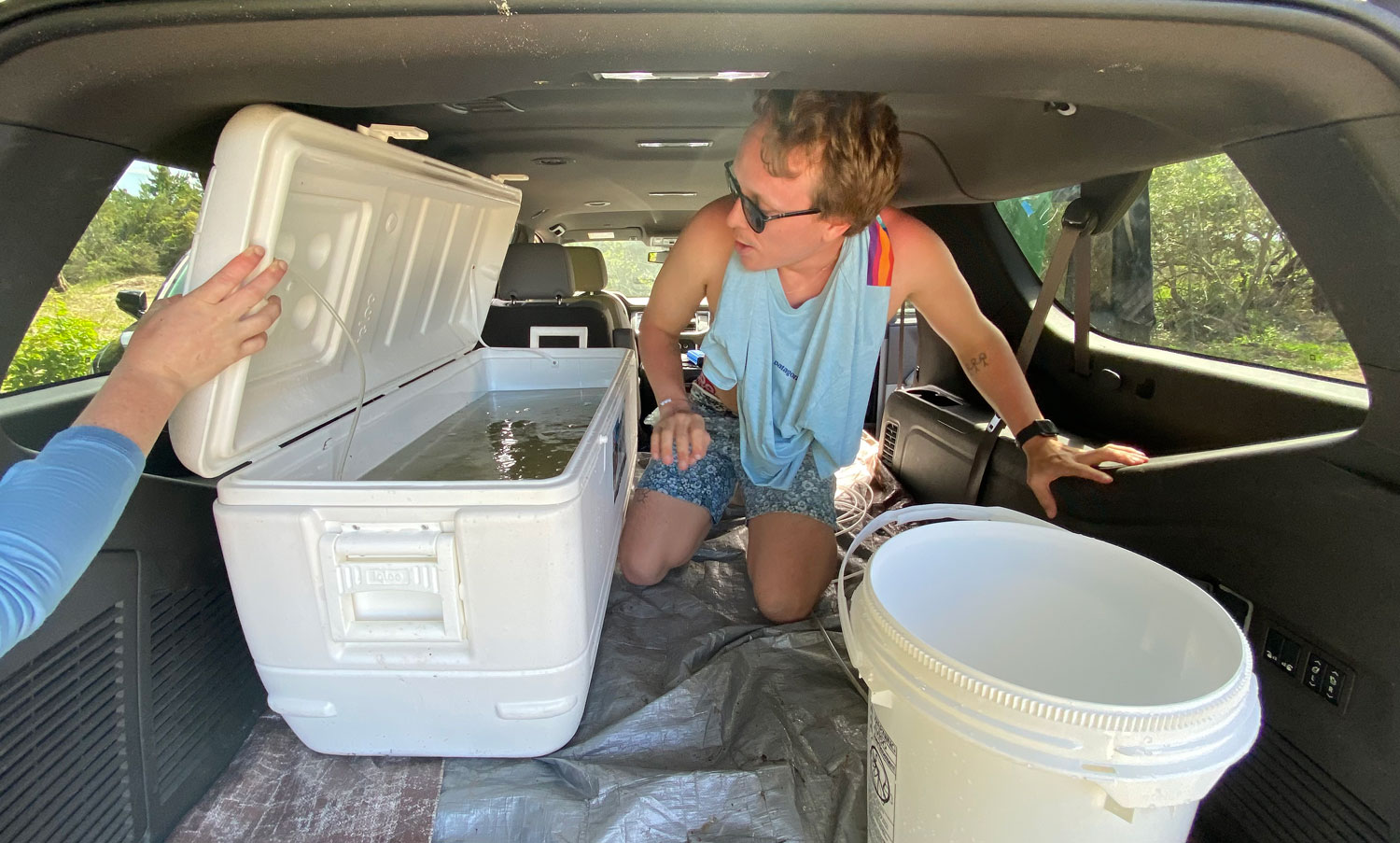
Lucas checking whether the fish are properly prepared for transport.

ObearPark-Fish-Cooler
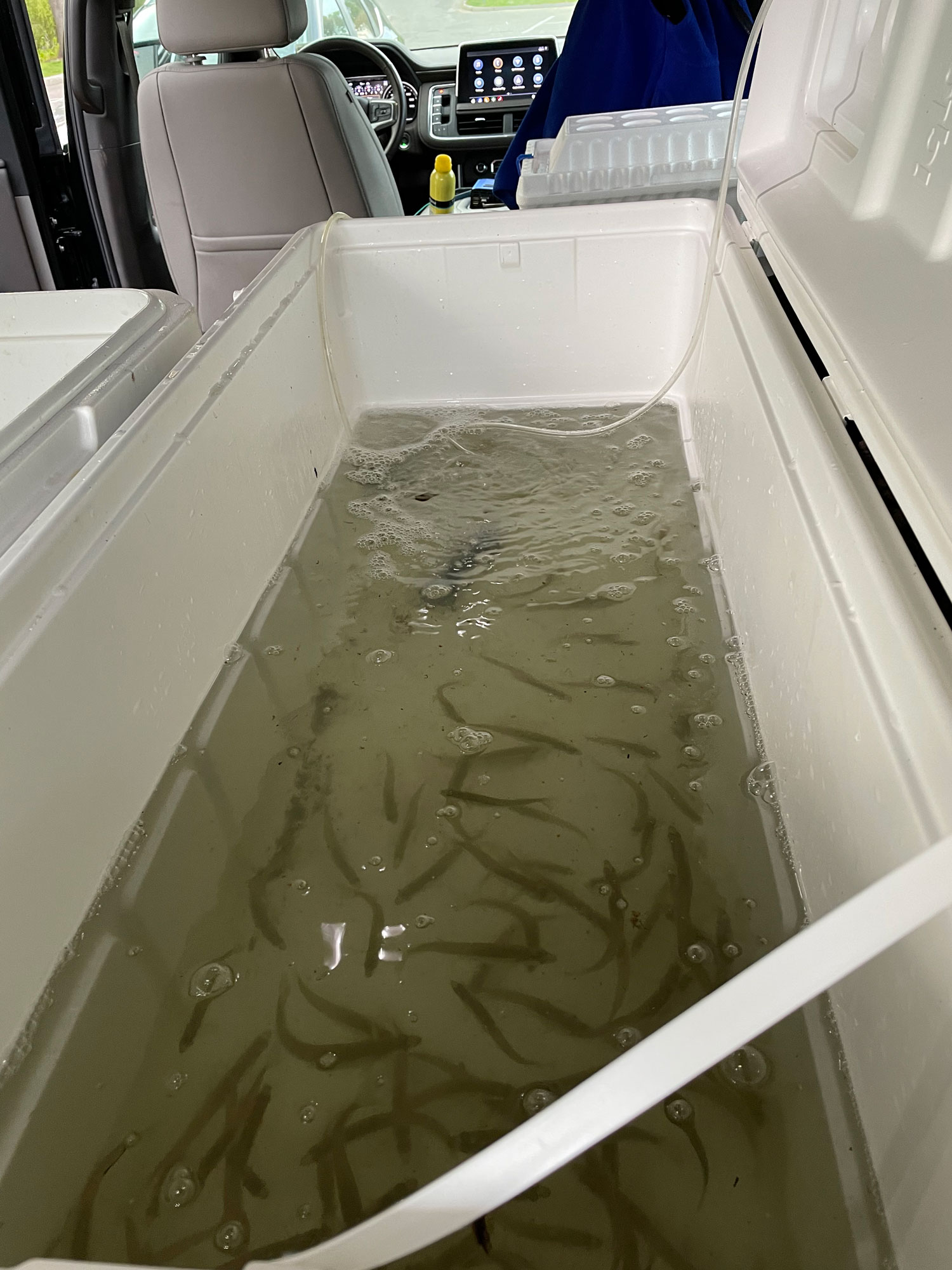
Ripe adult silversides are being transported in large coolers, with proper aeration and water changes underway.

Maria-driving-posterized
Maria driving through the night. The long trip back up north is especially taxing.

Obear-Park-Jessi-Tara
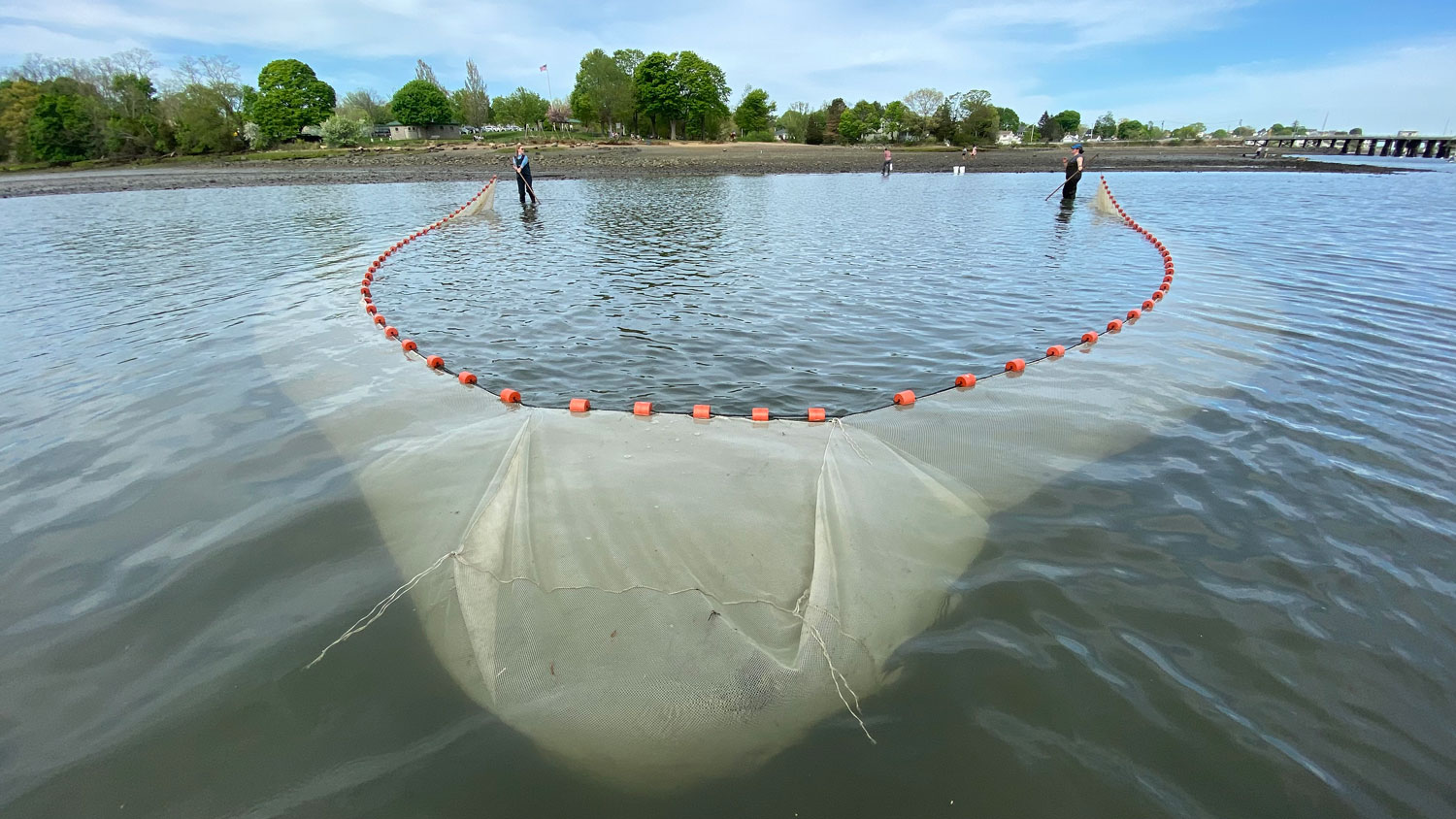
On May 14th, Jessi and Tara pull our seine net up the beach on Obear Park, Beverly, MA.

Maria-ObearPark
Maria bringing a new sampling bucket to Jessi and Tara (background) seining.

14May-ObearPark-BeverlyMA-Jessi
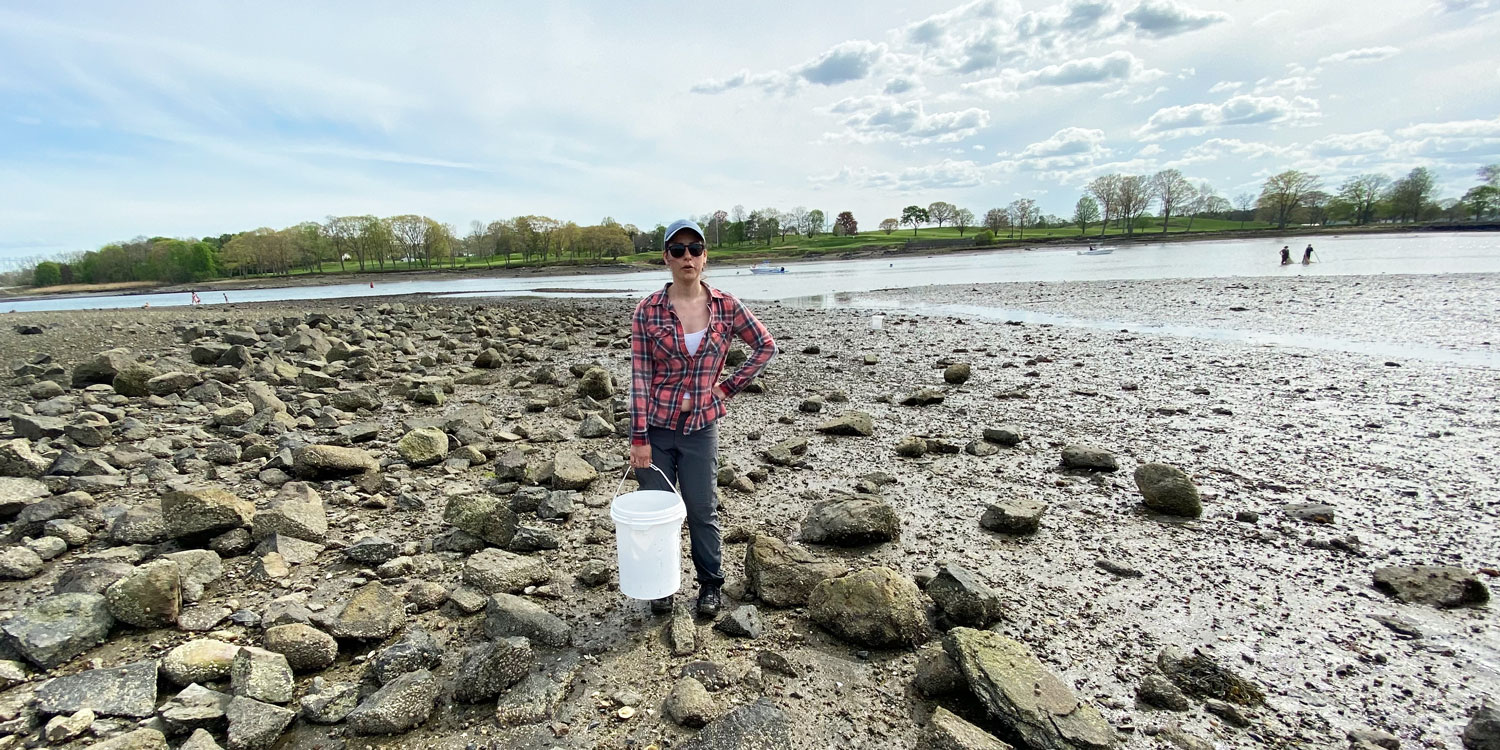
Seining at low tide in Obear Park is made more difficult by ankle deep mud.

Nina-Jessi-Rankin
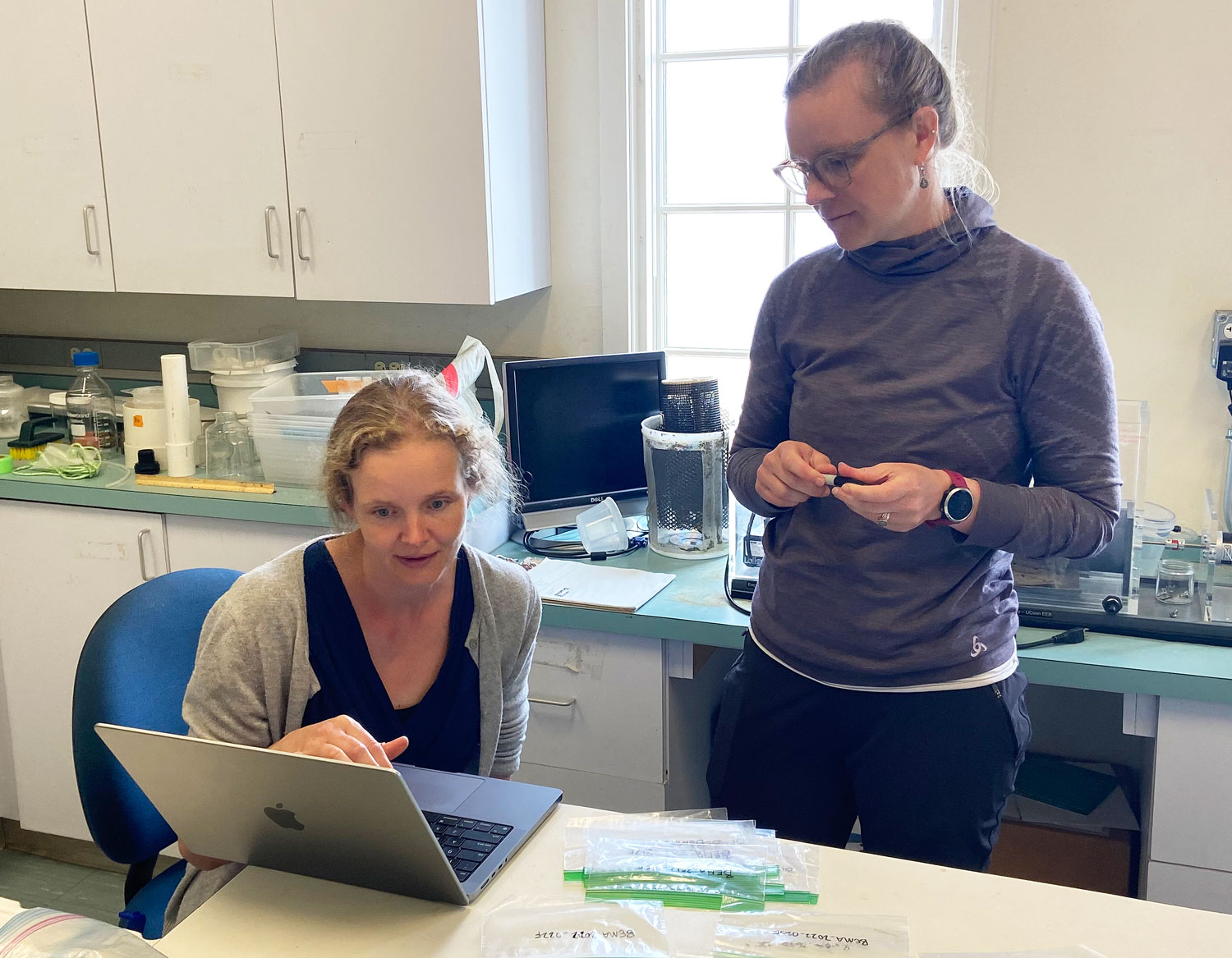
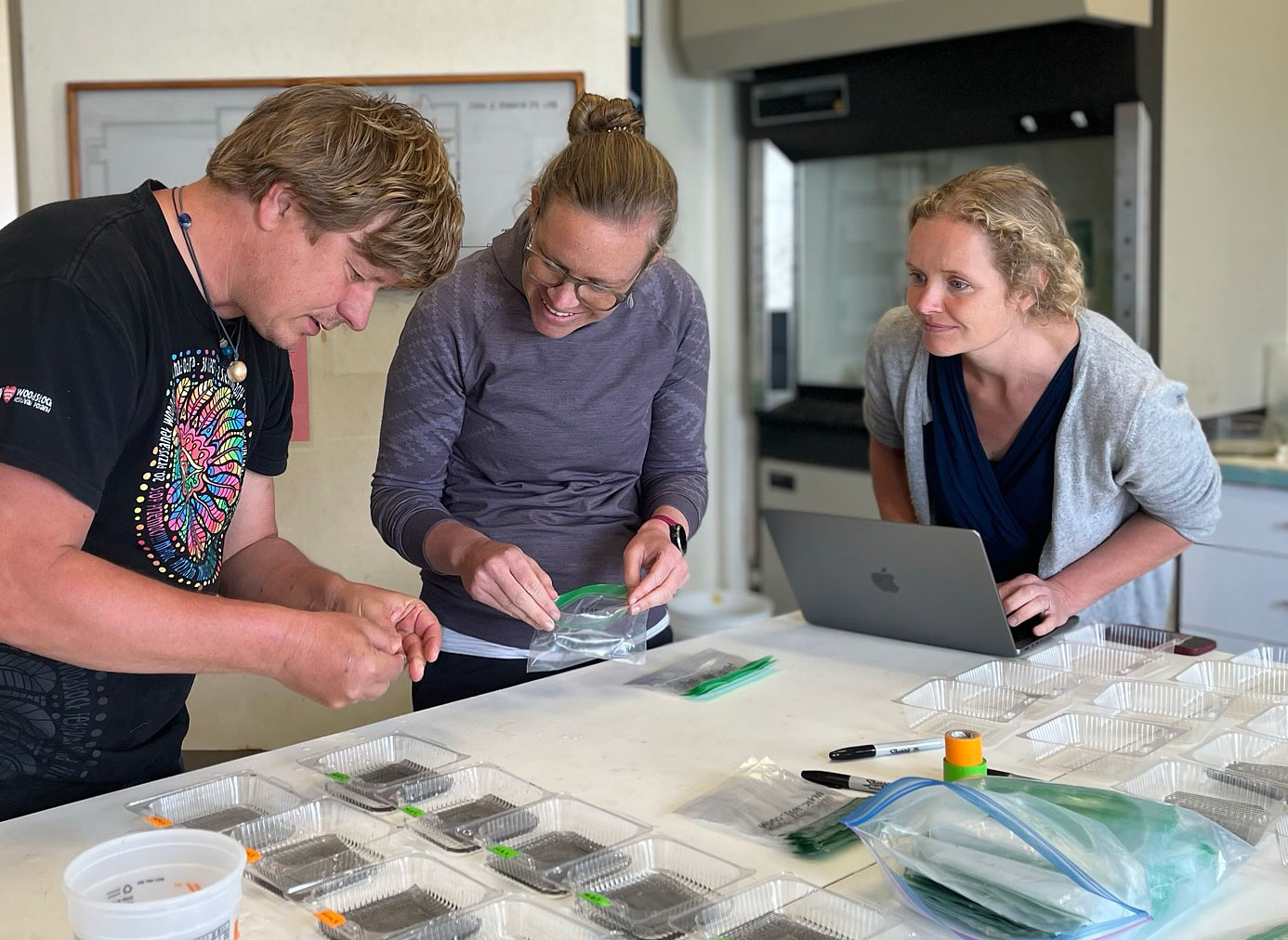
On May 15th, at UConn's Rankin Seawater lab, Nina and Jessi strategize about designing crosses.

HBJessiNina-Rankin
On May 15th, Hannes, Jessi, and Nina spawn individual silversides.

Jessi-fertilizing
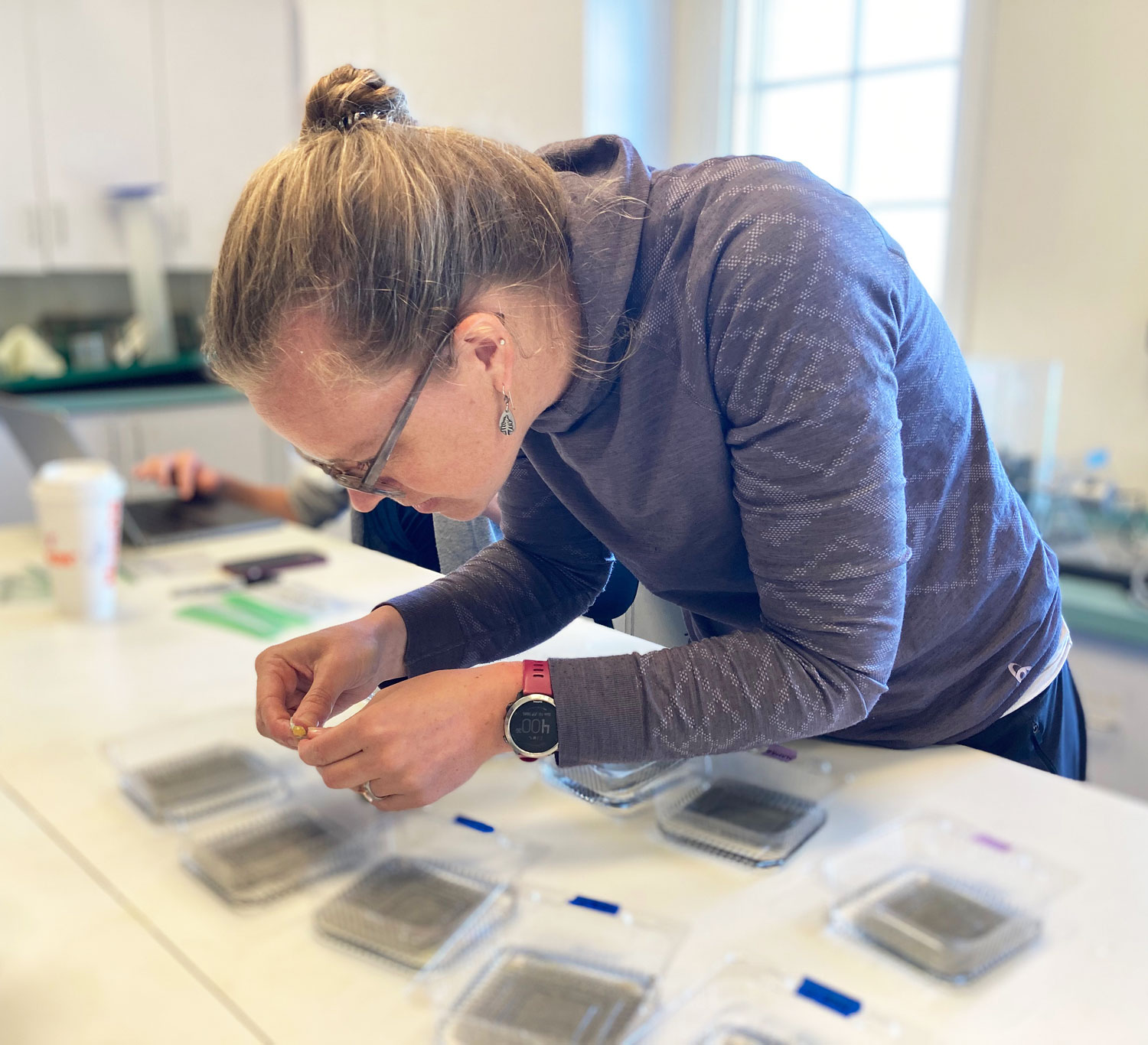
Jessi squeezing a silverside female for eggs in UConn's Rankin Lab.

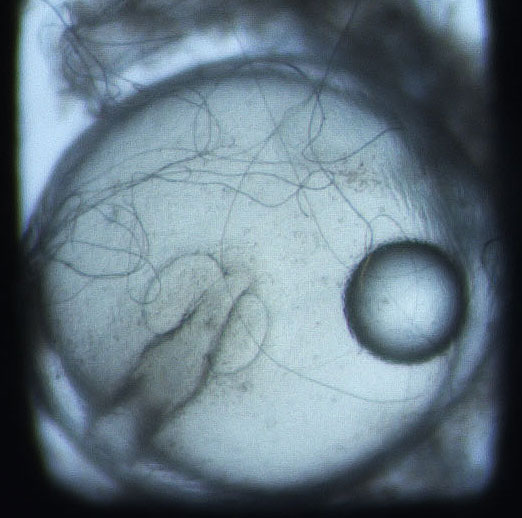
16May-NCB1-23h-25C-Menidia-embryo01
A 24 hours old silverside embryo developing at 26C.

Jessi-Rankin
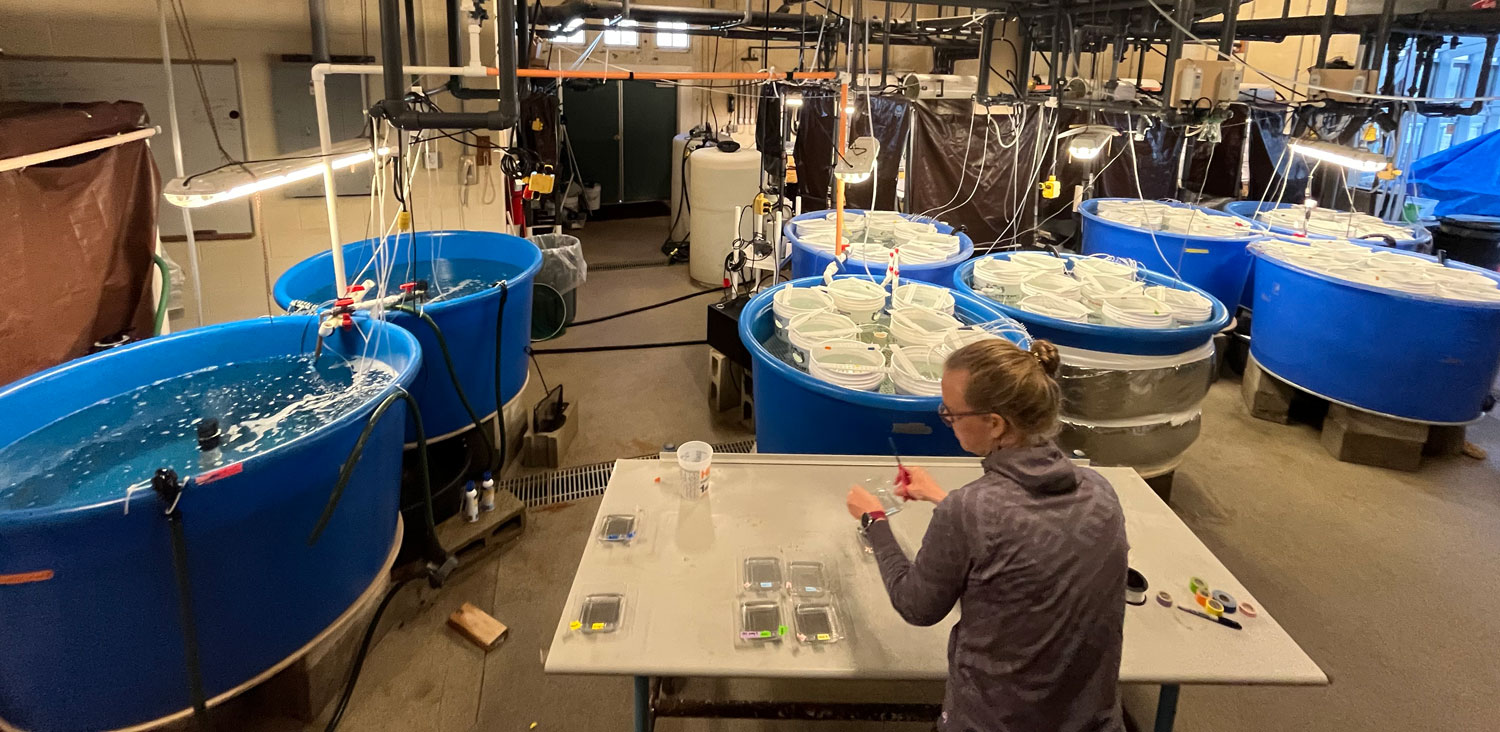
On May 15th, Jessi lays out individual crosses to be reared in the circle tanks in UConn's Rankin Lab.

Nina-Maria-BaumannLab
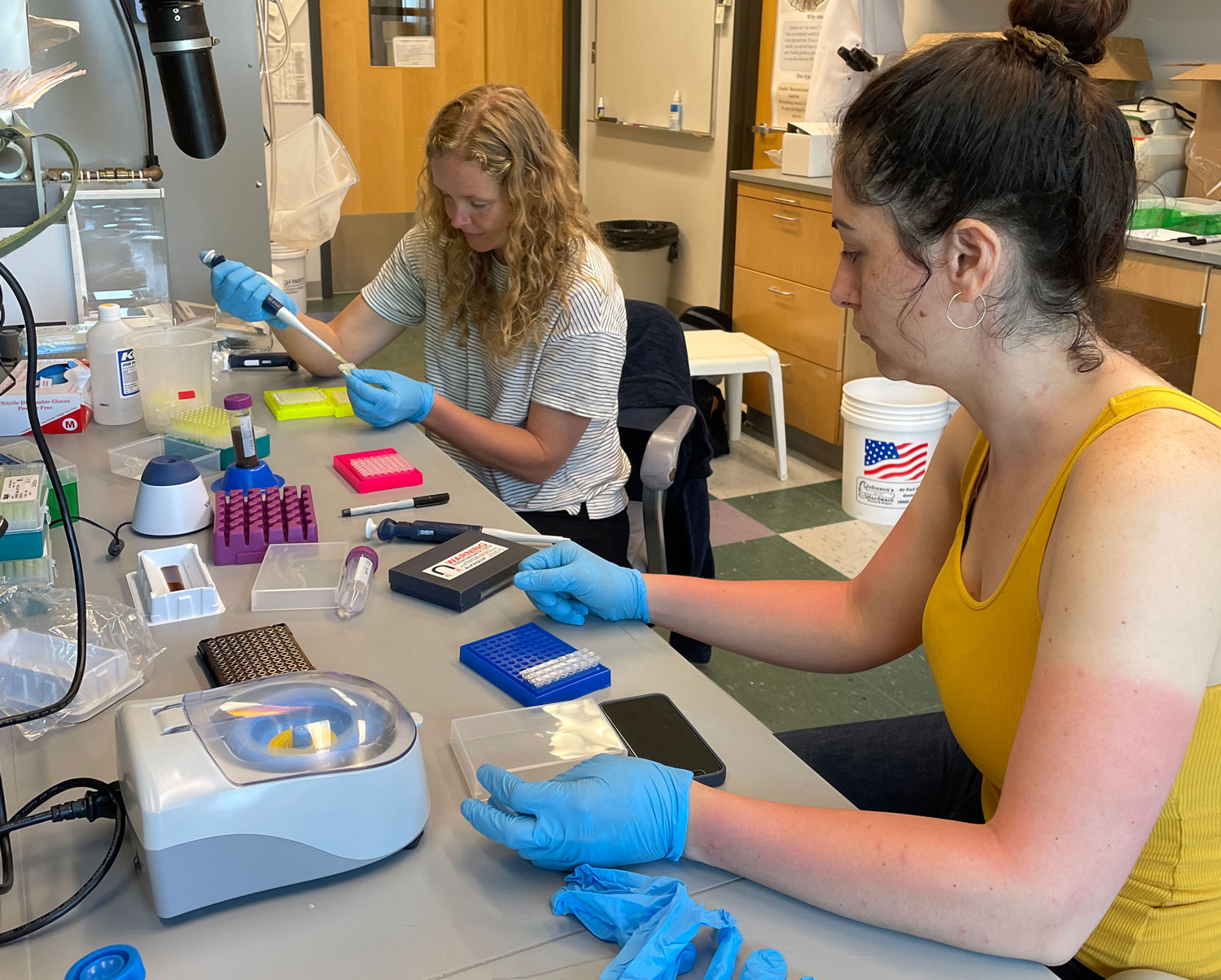
Nina and Maria extract DNA from male and female spawners to determine a specific regions homo- vs. heterozygosity.

Jessi-Rankin-Tanks
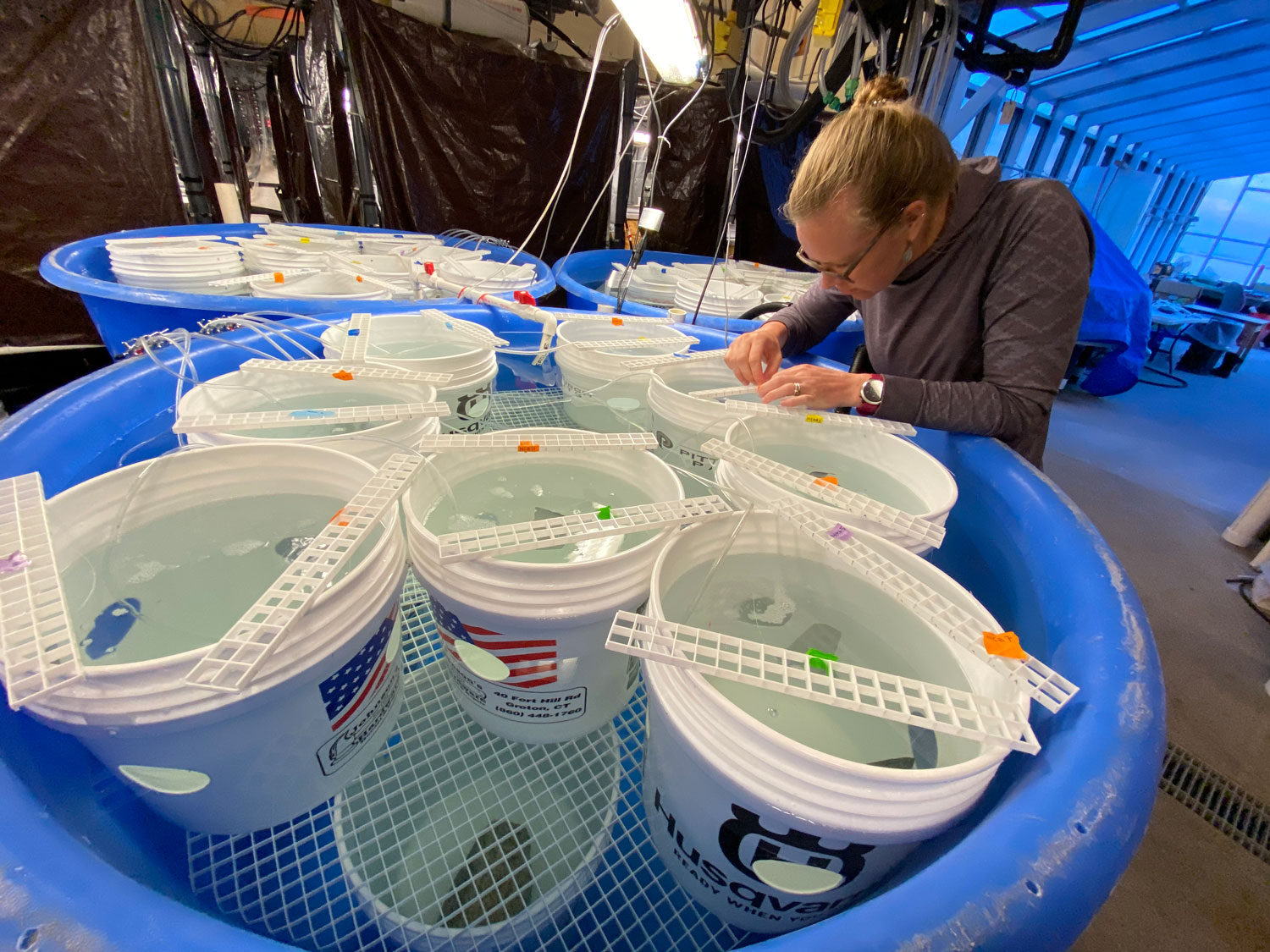
Screens with attached embryos are being suspended in buckets for development under two different temperatures.

Gel-plot-HOM-HET
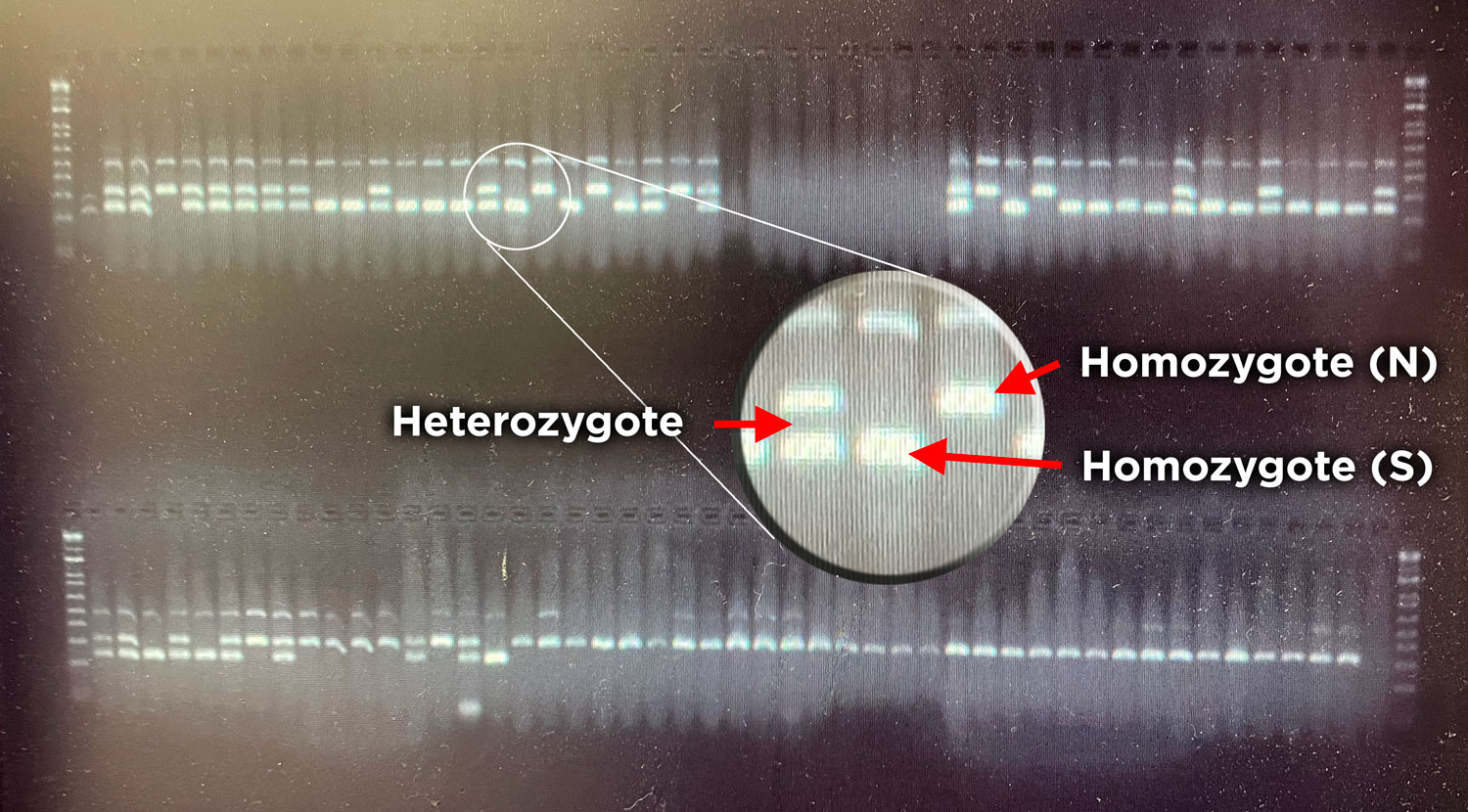
A specific capture probe (TARMS gel) allows the quick determination whether adult spawners were homo- or heterozygous for specific inversions on chromosomes 11, 18, or 24

Menidia_NCMAexp_NCB1_6dph_052722_3
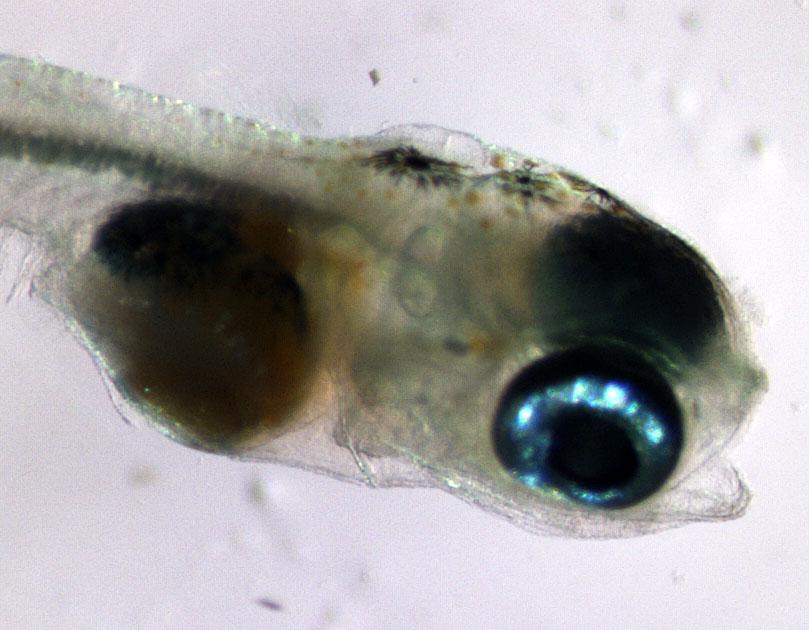
A silverside larva 6 days post hatch produced from NC spawners. The stomach is full of brine shrimp nauplii, pigmentation just started.