Web cookies (also called HTTP cookies, browser cookies, or simply cookies) are small pieces of data that websites store on your device (computer, phone, etc.) through your web browser. They are used to remember information about you and your interactions with the site.
Session Management:
Keeping you logged in
Remembering items in a shopping cart
Saving language or theme preferences
Personalization:
Tailoring content or ads based on your previous activity
Tracking & Analytics:
Monitoring browsing behavior for analytics or marketing purposes
Session Cookies:
Temporary; deleted when you close your browser
Used for things like keeping you logged in during a single session
Persistent Cookies:
Stored on your device until they expire or are manually deleted
Used for remembering login credentials, settings, etc.
First-Party Cookies:
Set by the website you're visiting directly
Third-Party Cookies:
Set by other domains (usually advertisers) embedded in the website
Commonly used for tracking across multiple sites
Authentication cookies are a special type of web cookie used to identify and verify a user after they log in to a website or web application.
Once you log in to a site, the server creates an authentication cookie and sends it to your browser. This cookie:
Proves to the website that you're logged in
Prevents you from having to log in again on every page you visit
Can persist across sessions if you select "Remember me"
Typically, it contains:
A unique session ID (not your actual password)
Optional metadata (e.g., expiration time, security flags)
Analytics cookies are cookies used to collect data about how visitors interact with a website. Their primary purpose is to help website owners understand and improve user experience by analyzing things like:
How users navigate the site
Which pages are most/least visited
How long users stay on each page
What device, browser, or location the user is from
Some examples of data analytics cookies may collect:
Page views and time spent on pages
Click paths (how users move from page to page)
Bounce rate (users who leave without interacting)
User demographics (location, language, device)
Referring websites (how users arrived at the site)
Here’s how you can disable cookies in common browsers:
Open Chrome and click the three vertical dots in the top-right corner.
Go to Settings > Privacy and security > Cookies and other site data.
Choose your preferred option:
Block all cookies (not recommended, can break most websites).
Block third-party cookies (can block ads and tracking cookies).
Open Firefox and click the three horizontal lines in the top-right corner.
Go to Settings > Privacy & Security.
Under the Enhanced Tracking Protection section, choose Strict to block most cookies or Custom to manually choose which cookies to block.
Open Safari and click Safari in the top-left corner of the screen.
Go to Preferences > Privacy.
Check Block all cookies to stop all cookies, or select options to block third-party cookies.
Open Edge and click the three horizontal dots in the top-right corner.
Go to Settings > Privacy, search, and services > Cookies and site permissions.
Select your cookie settings from there, including blocking all cookies or blocking third-party cookies.
For Safari on iOS: Go to Settings > Safari > Privacy & Security > Block All Cookies.
For Chrome on Android: Open the app, tap the three dots, go to Settings > Privacy and security > Cookies.
Disabling cookies can make your online experience more difficult. Some websites may not load properly, or you may be logged out frequently. Also, certain features may not work as expected.
22 December 2025. Shortly before Christmas, a cloudless blue summer sky stretches endlessly over Dichato. The summer vacationers now arrive in troves in this small Chilean village. Hannes just returned again for a few short days to help end the second common garden experiment at the Marine Station, preserve all sampled specimens, and ready them for their journey to Connecticut. The days are filled with bittersweet emotions, as one chapter ends while marking the beginning of the data analysis phase of the whole project.
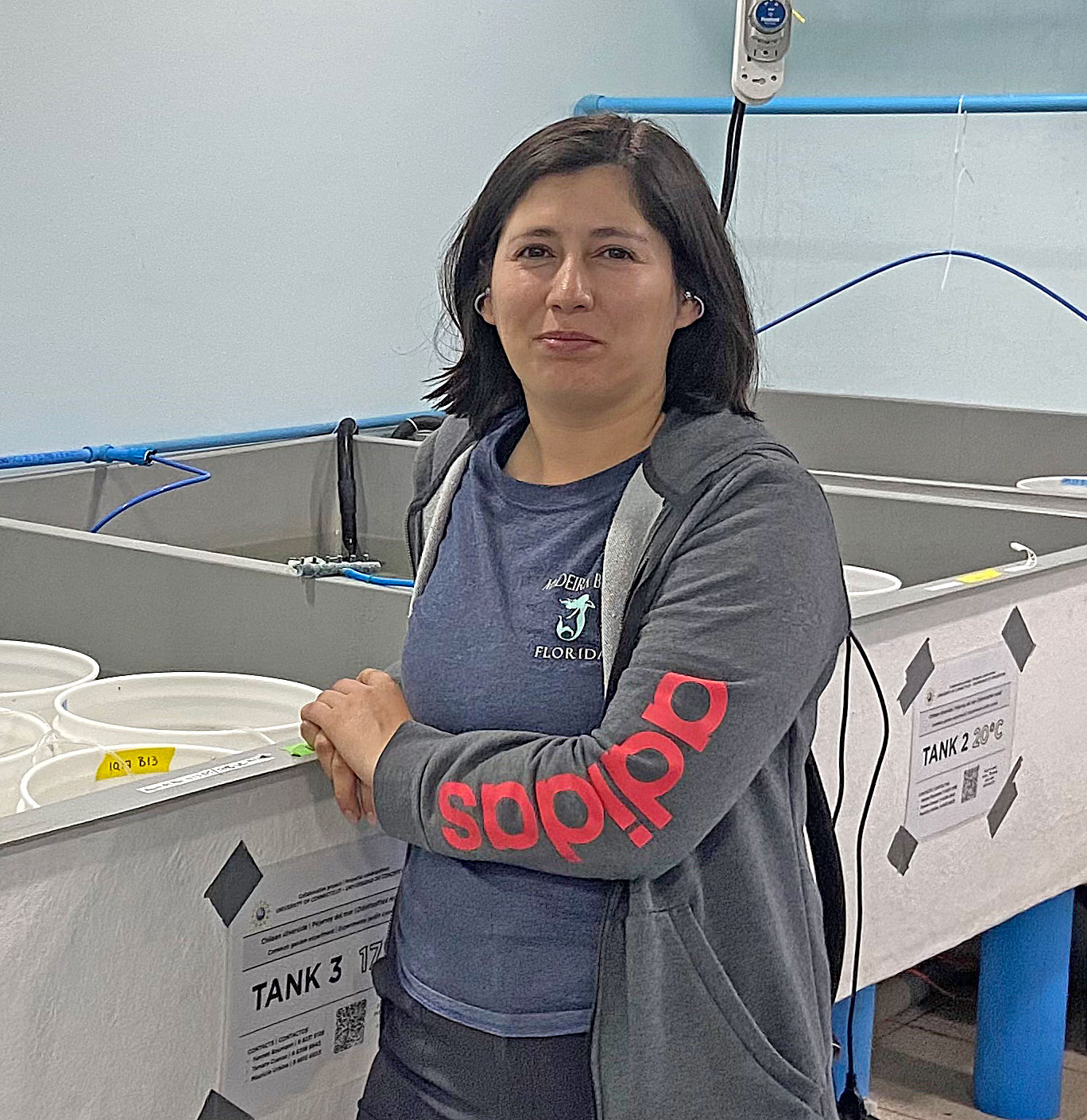
For more than 5 weeks, research technician Tamara Cuevas diligently attended to the experiment while Hannes finished teaching his class at UConn. Tamara successfully executed the daily husbandry, feeding, testing, the frequent sampling events, while reacting nimbly to all the unforeseeable, yet inevitable things that came her way. Tamara, you're truly the hero of this second experiment, well done!
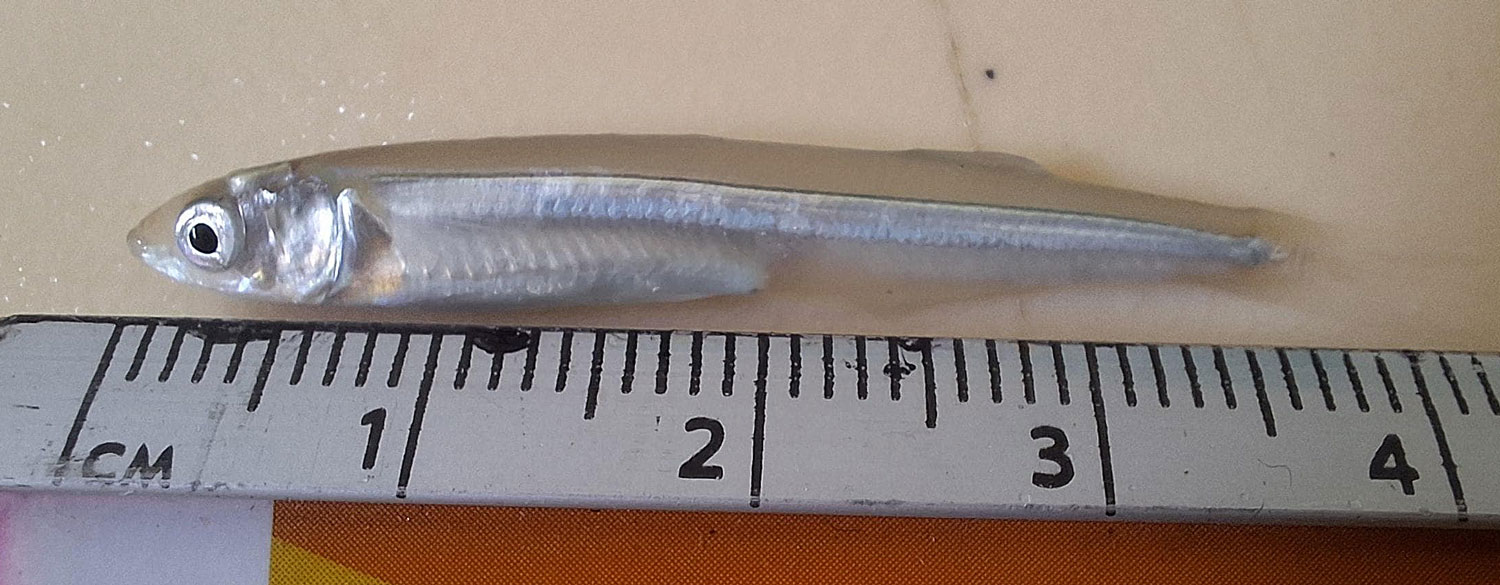
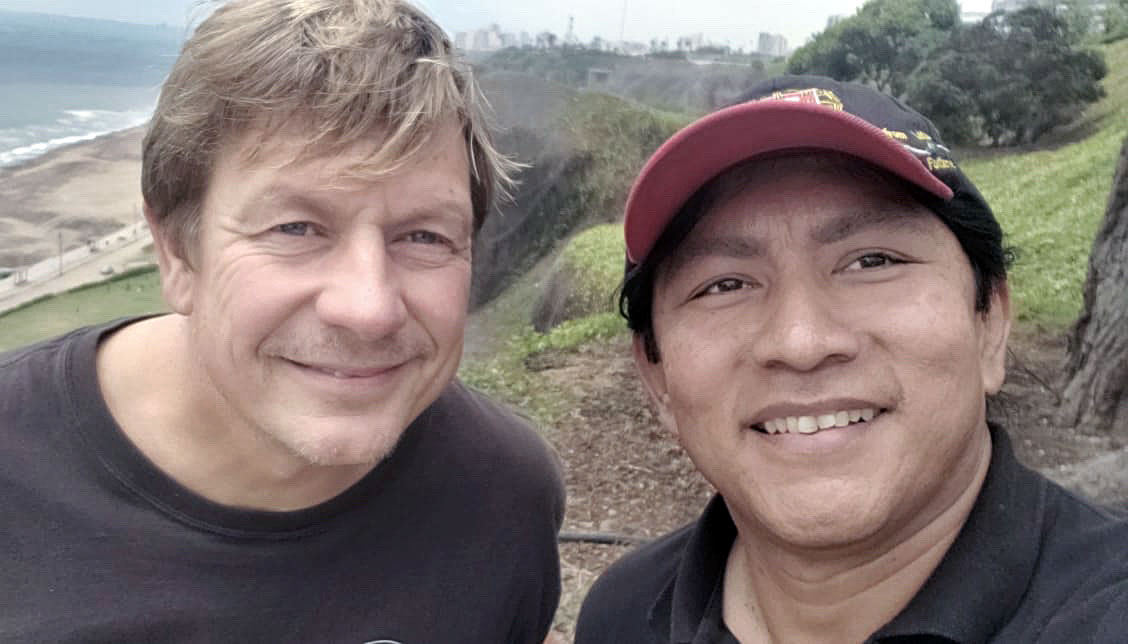
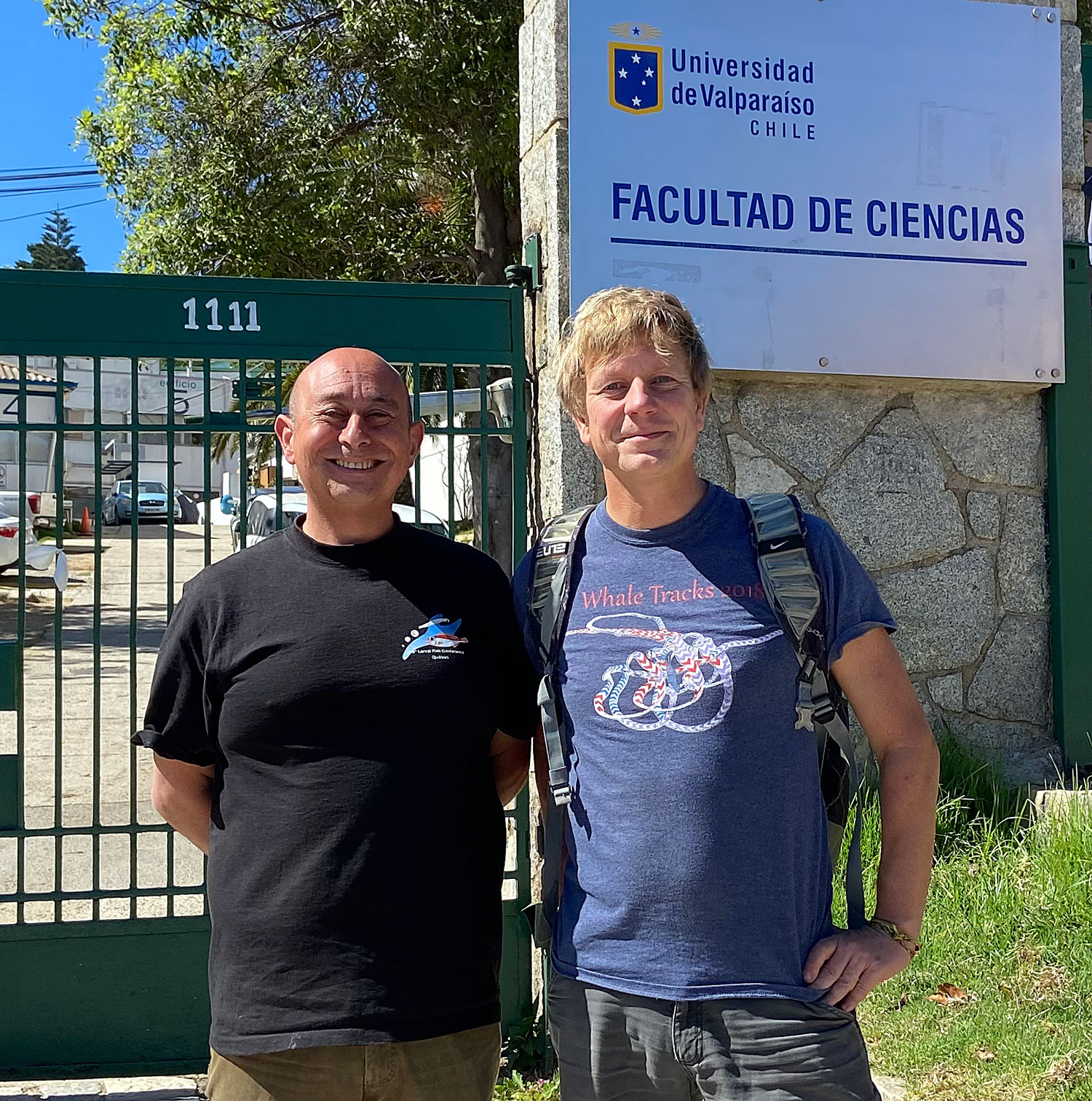
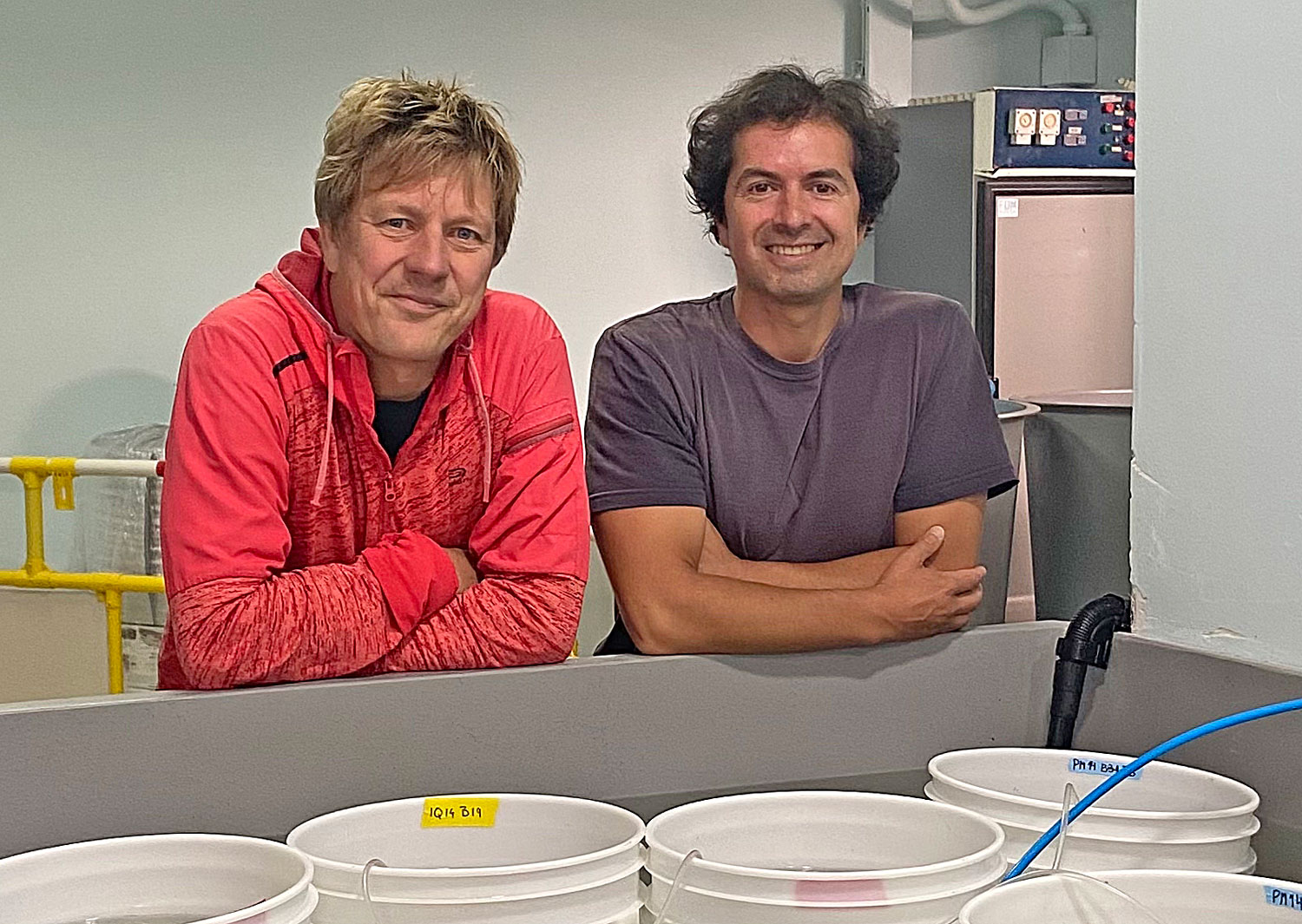
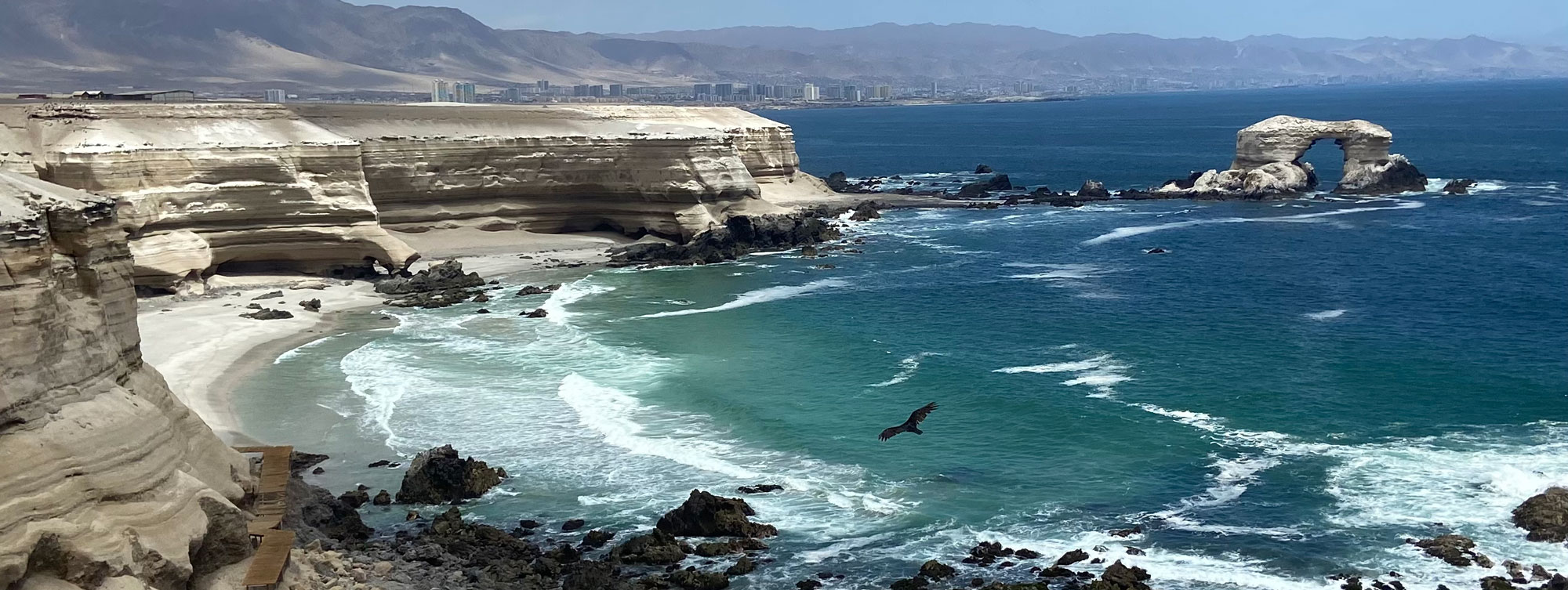
Meanwhile, Hannes used his third journey to the southern hemisphere to make a few stops along the way. In Lima (Peru), he met with Victor Aramayo, a biologist at the Peruvian Institute of Marine Research (IMARPE), to receive silverside samples from two locations in Peru. He then traveled to Valparaiso (Chile) to meet with Prof. Mauricio Landaeta (Universidad de Valparaiso), who contributed samples from the southernmost silverside species (Odontesthes smitti) from Punta Arenas in Chile's far south. He flew for a day trip to Antofagasta (Chile) to meet Prof. Marcelo Oliva (Universidad de Antofagasta) who contributed specimens from this particular locale. All together, we now have silverside samples from 7 populations spanning 45 degrees of latitude (9-54S) for genomic analyses!
As Hannes shakes hands and emotionally says good bye to his Chilean friends and colleagues, it is the excitement for the findings to come that shines as bright as the December sun over Dichato.
Saludos y feliz navidad!
By Emma Siegfried
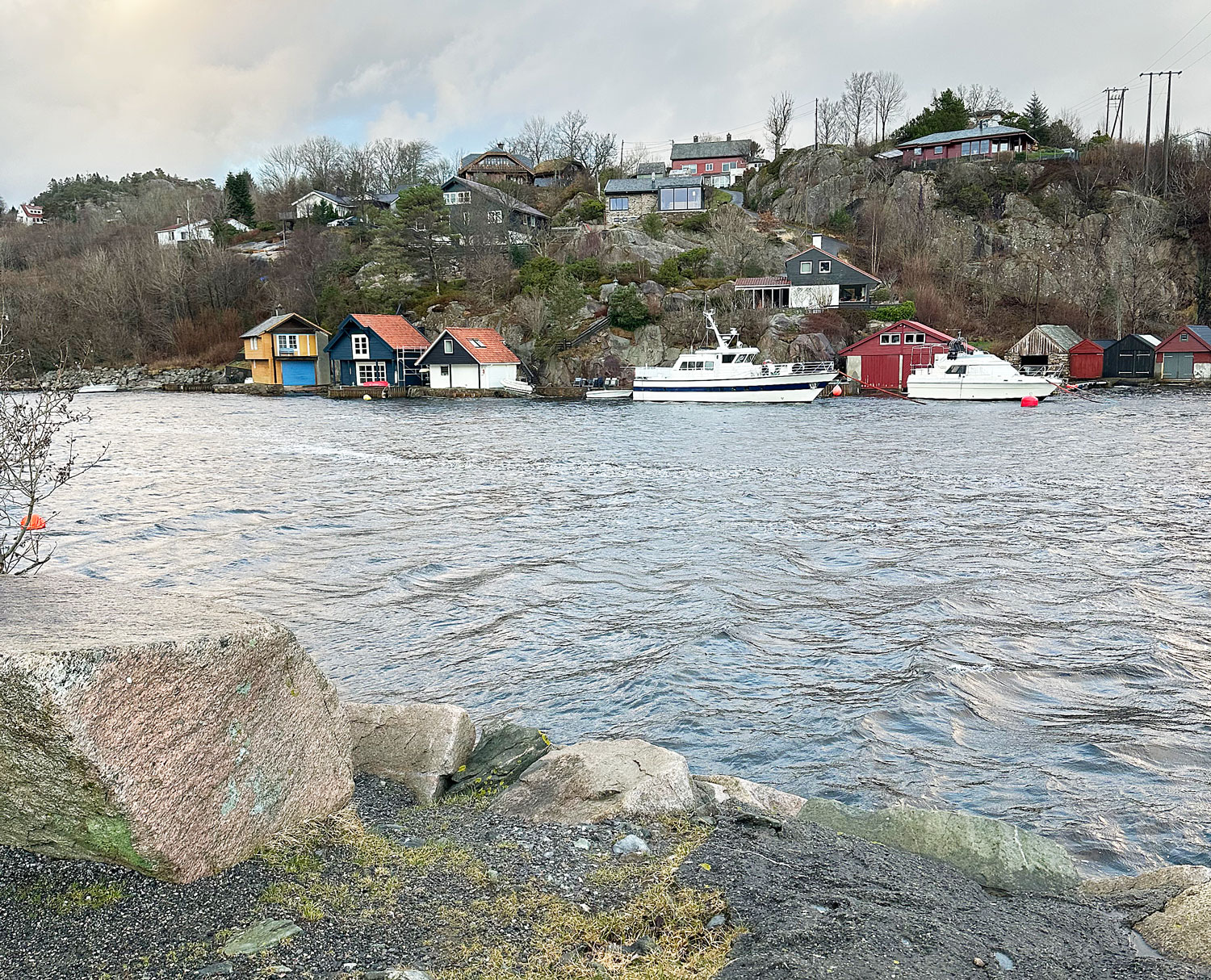
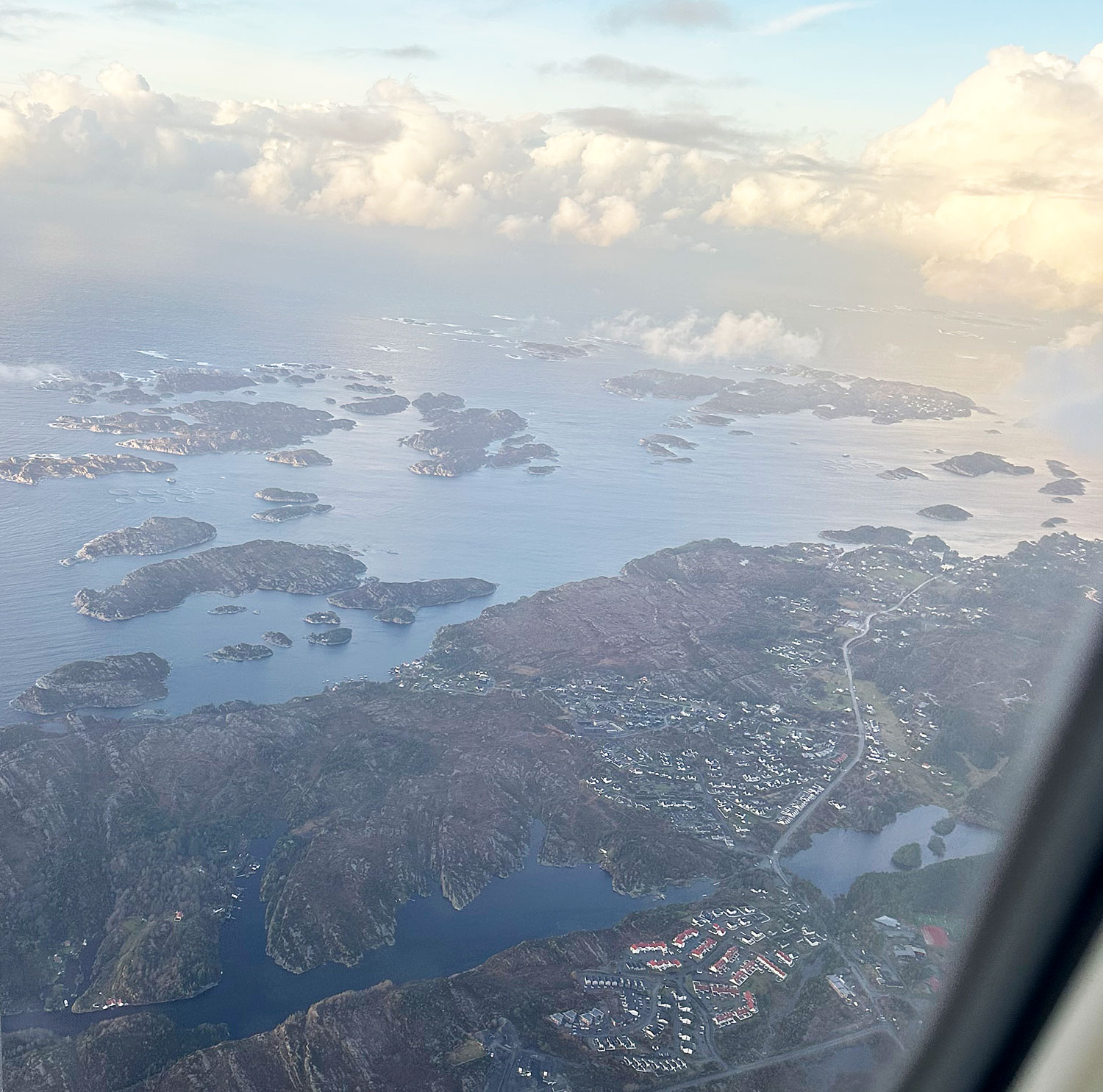
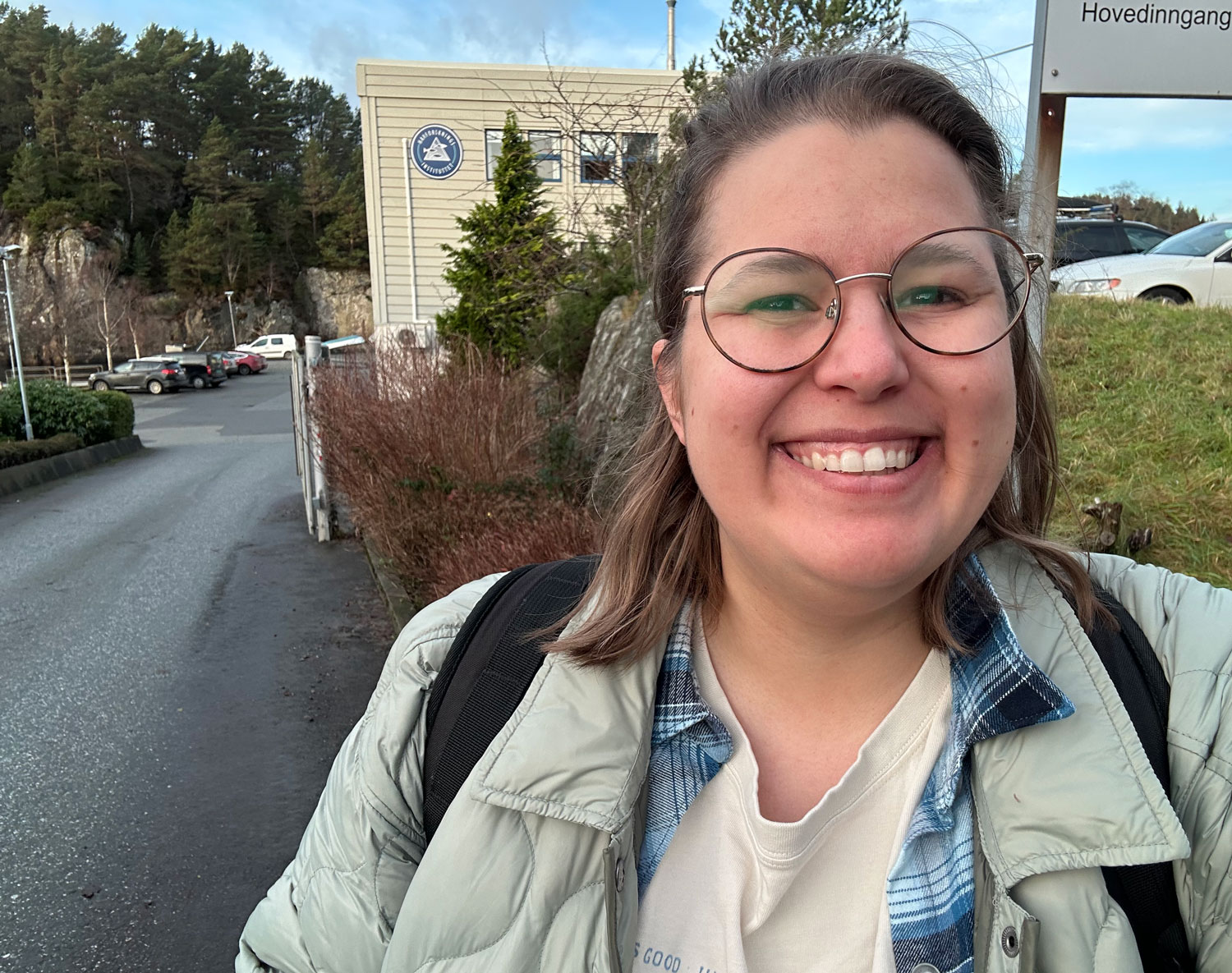
16 December 2025. Hi, Emma here reporting in from the Institute of Marine Research in Storebø, Norway! After a quick stop in Amsterdam, I landed in Bergen on Saturday morning. I grabbed a quick ferry to get over to the island and settled in over the weekend in one of the on-station residences. The area is pretty rural, but the surroundings are idyllic. The islands are exactly what you would expect to see out of a movie.
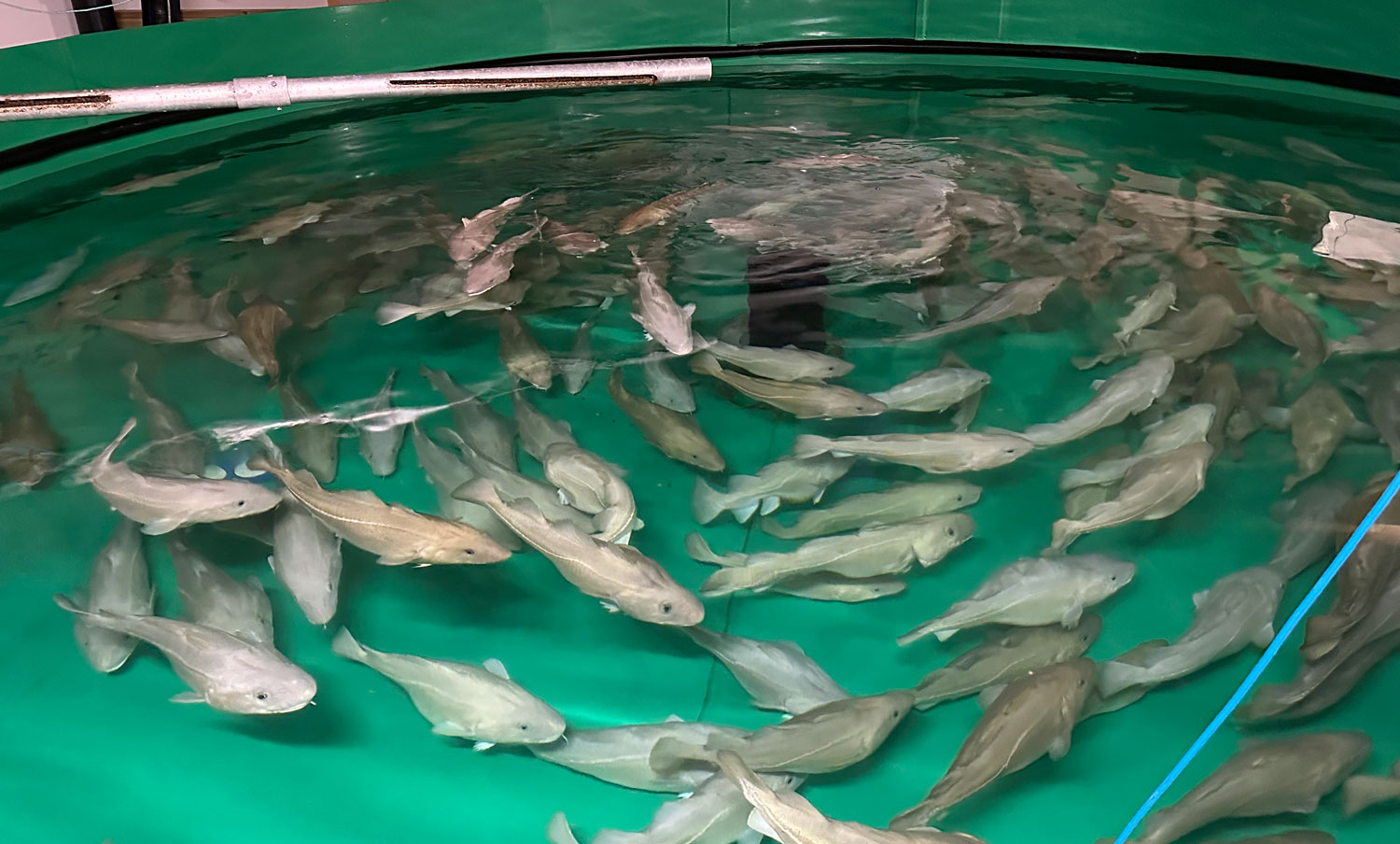
Yesterday, I was able to get a tour of the station, and the facilities here are incredible. If I had to estimate it’s probably 6 or 7 times the size of Rankin lab. The facility has been doing research on the early life history stages of Cod, Haddock and Plaice on top of previous work with Lesser Sand Lance (Ammodytes marinus) larvae, and as a result has some quite large broodstock tanks.
Unfortunately, I was not able to make it to the station in time to go fishing for the adults that we will use for my experiment because boat time is very dependent on the weather. At this point, the fish have buried themselves in the sand and will be there until they are ready to spawn in a few weeks. In the meantime, we’ve started working on setting up the rearing system for the embryos so that it is ready in time for spawning.
Hopefully things will continue to go smoothly!