“Plastic and evolutionary responses to ocean acidification: navigating the difficult terrain between unfounded pessimism, optimism, and impossible tasks”
Woods Hole Oceanographic Institution, 11 June 2015
The talk is publicly accessible on Prezi
– The maiden voyage –
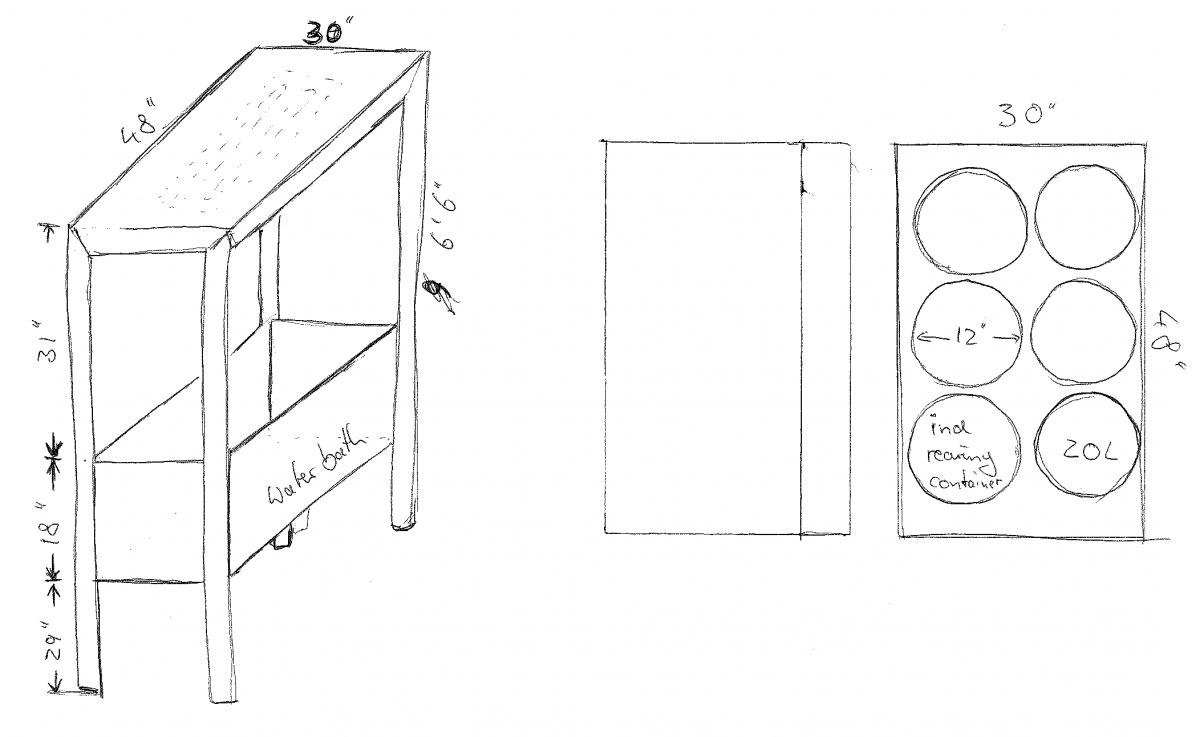
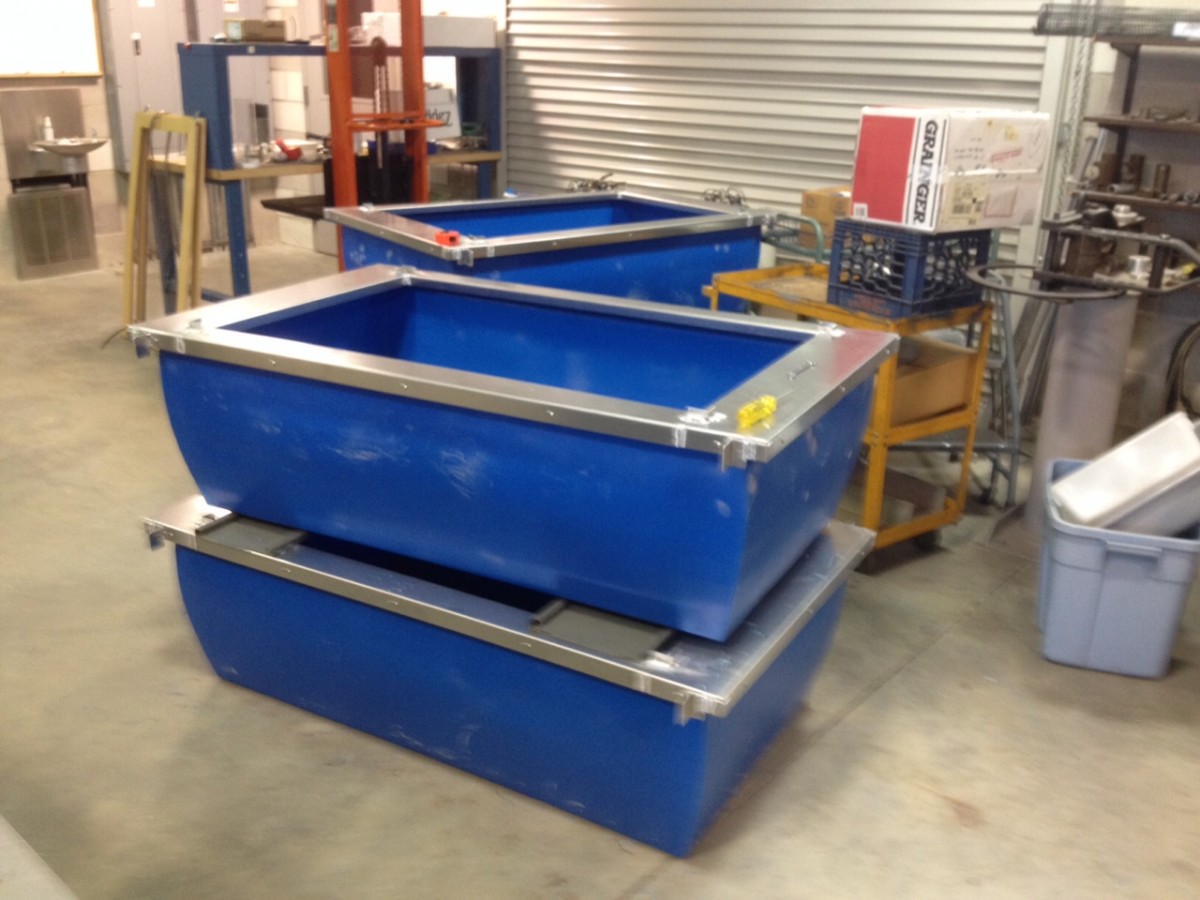
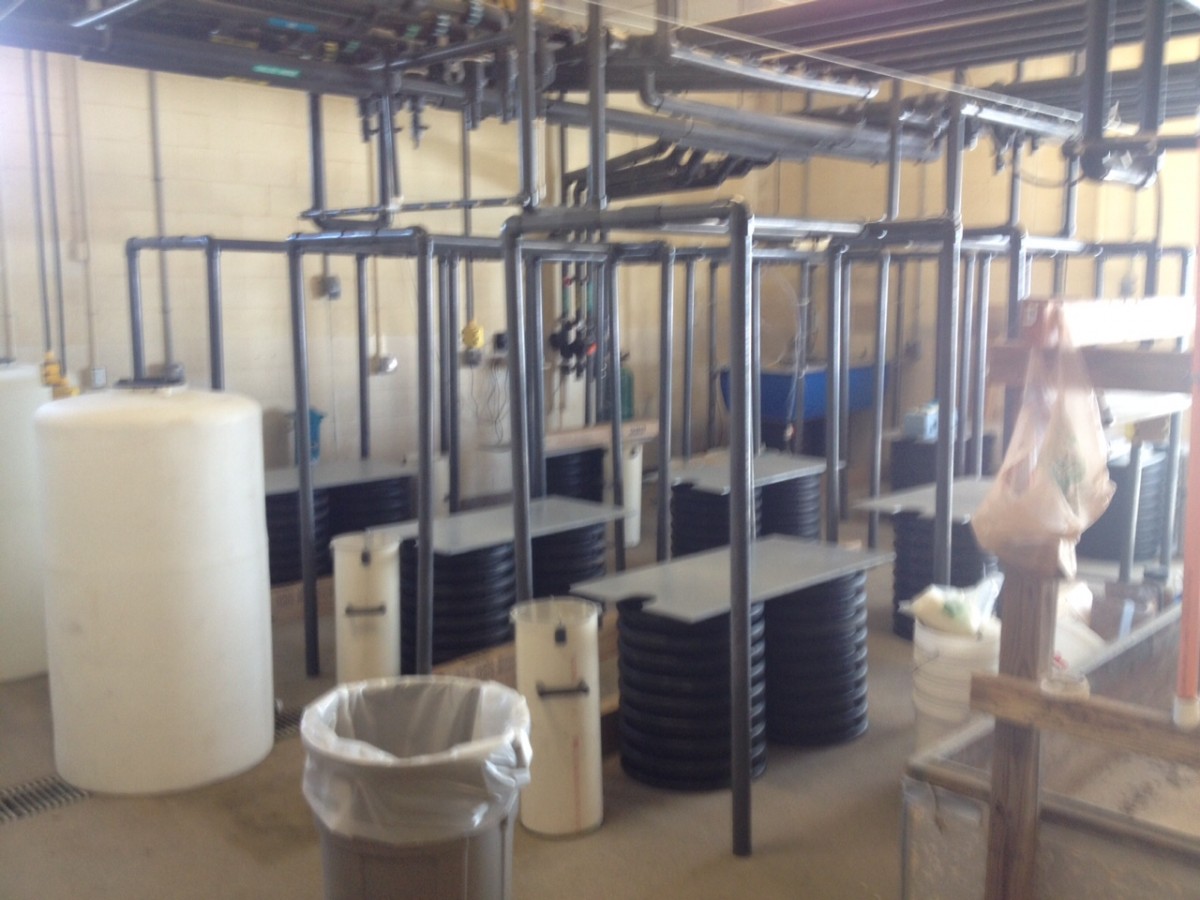
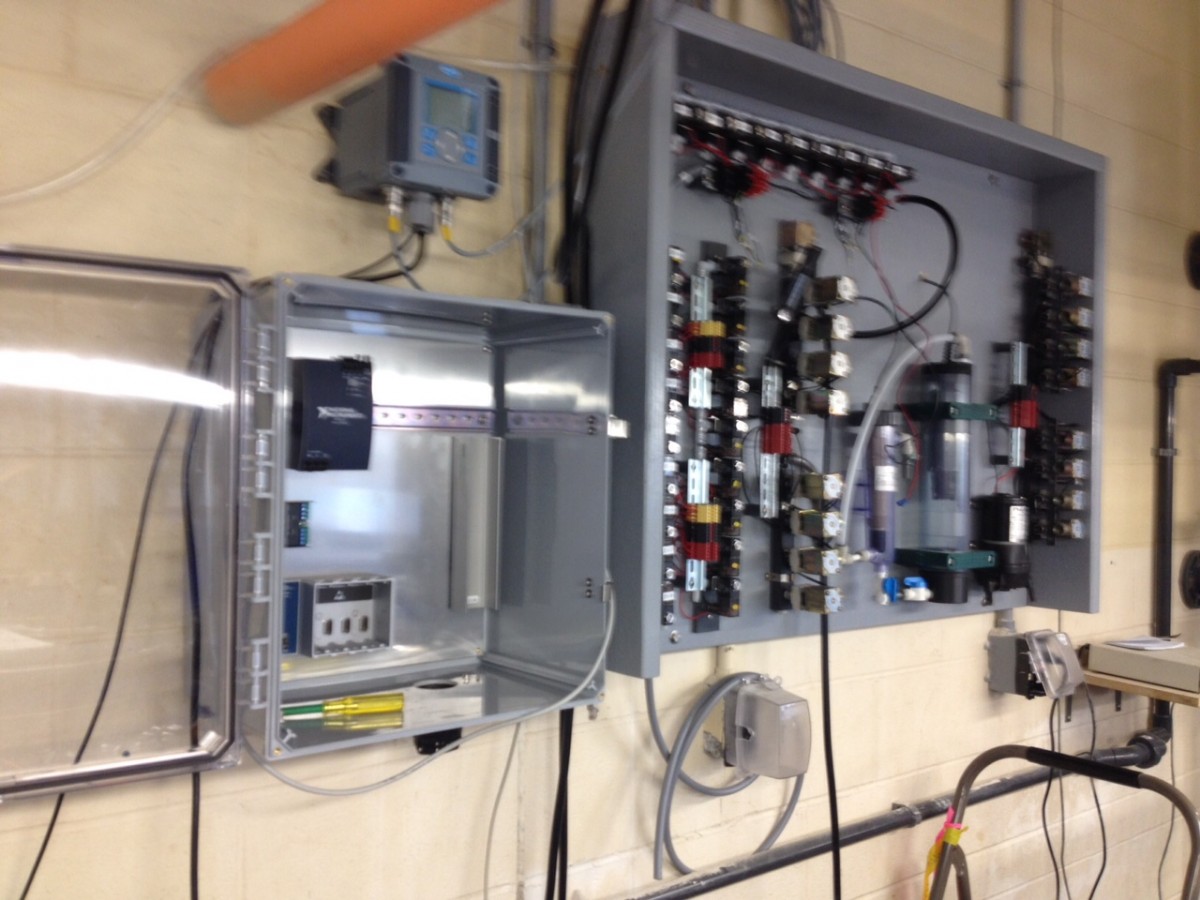
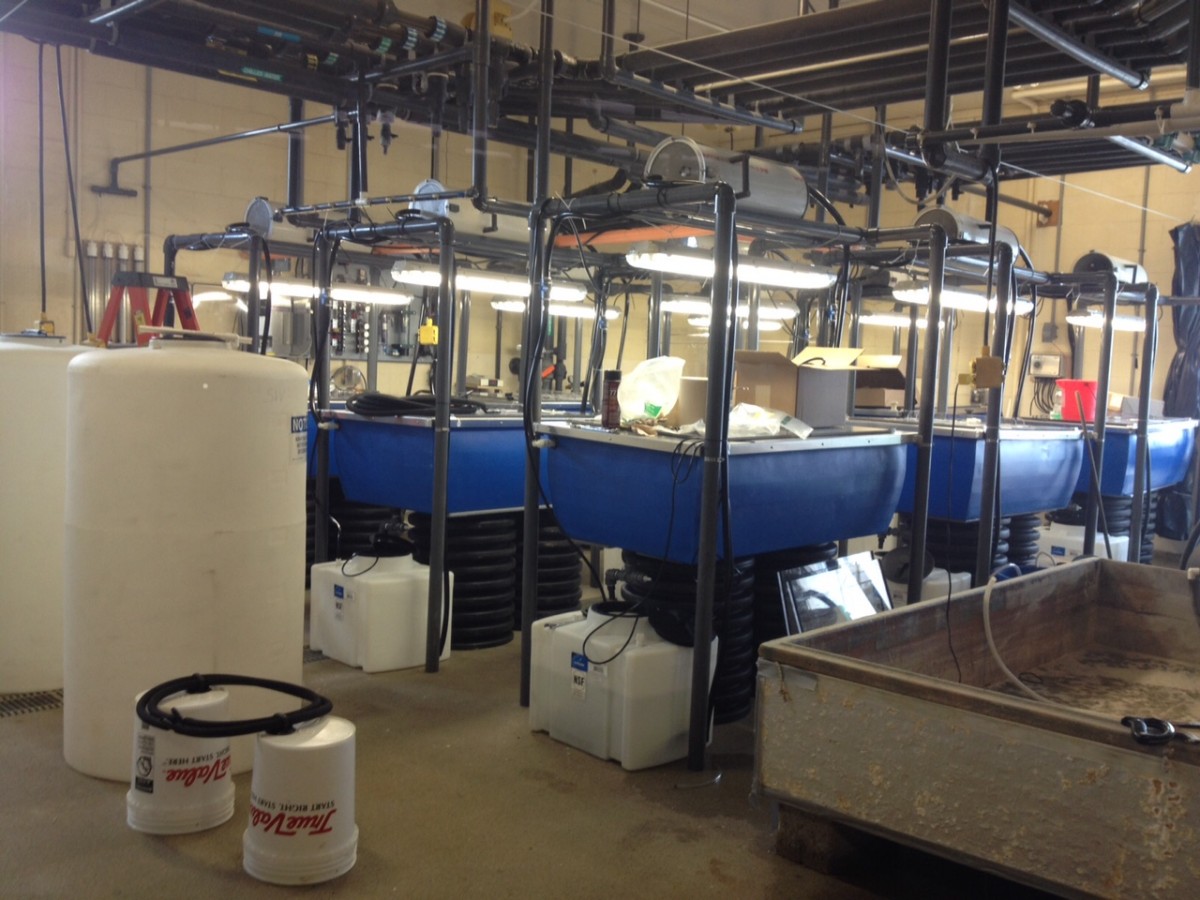
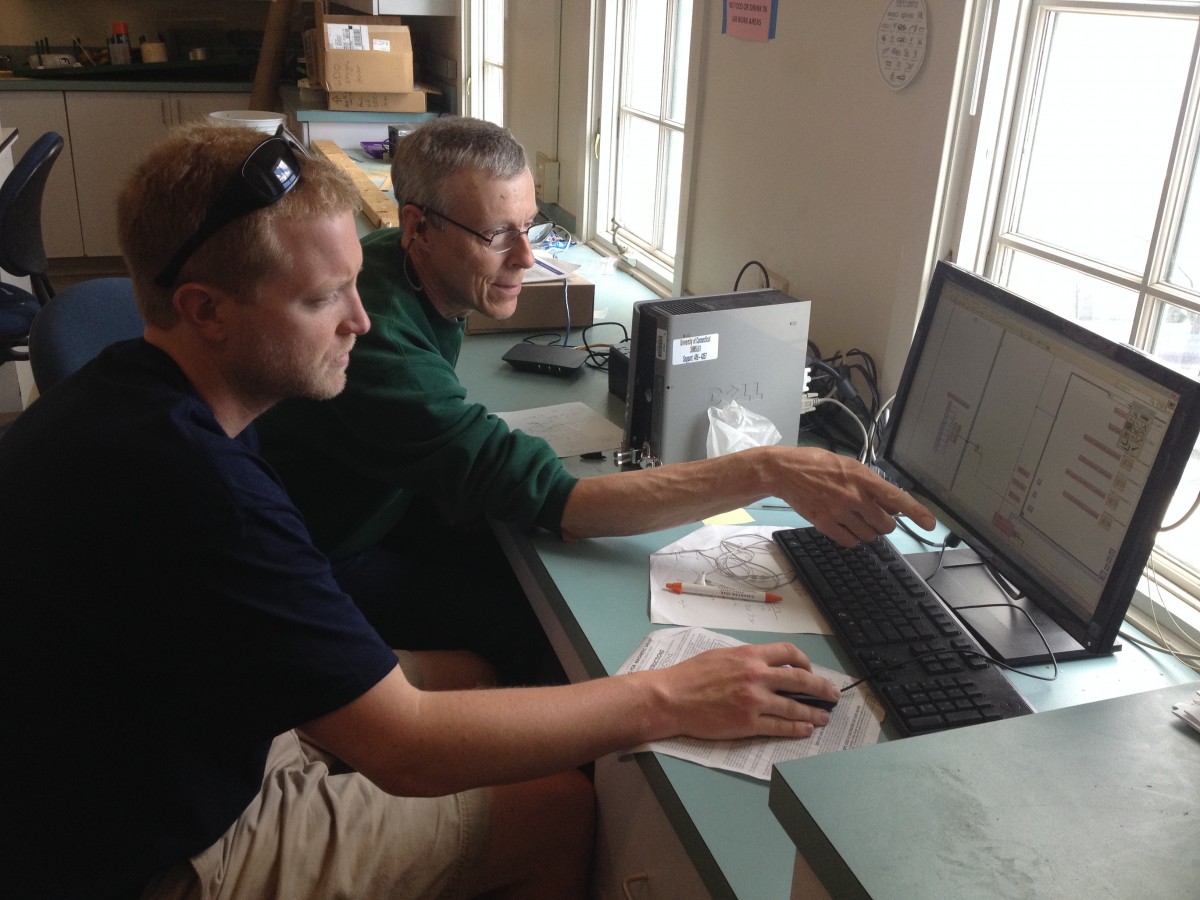
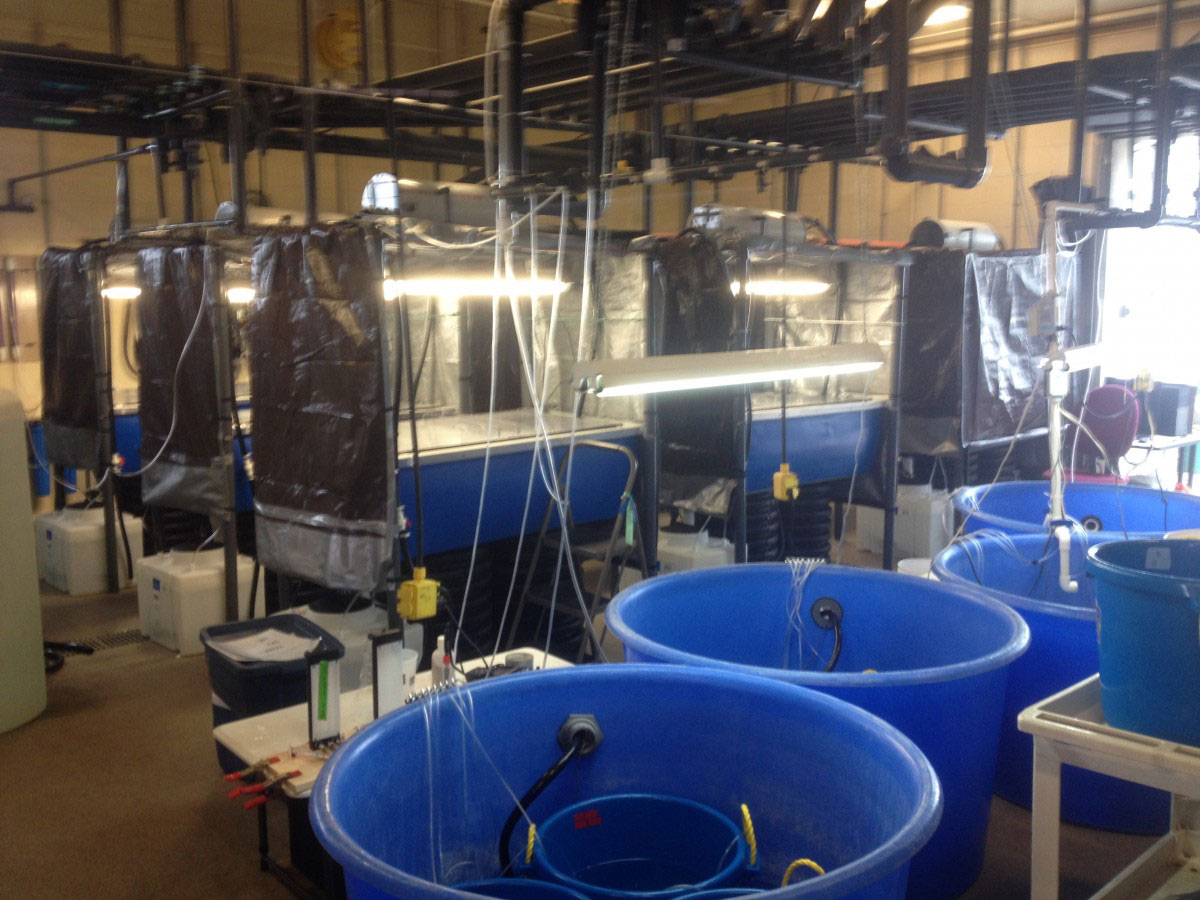
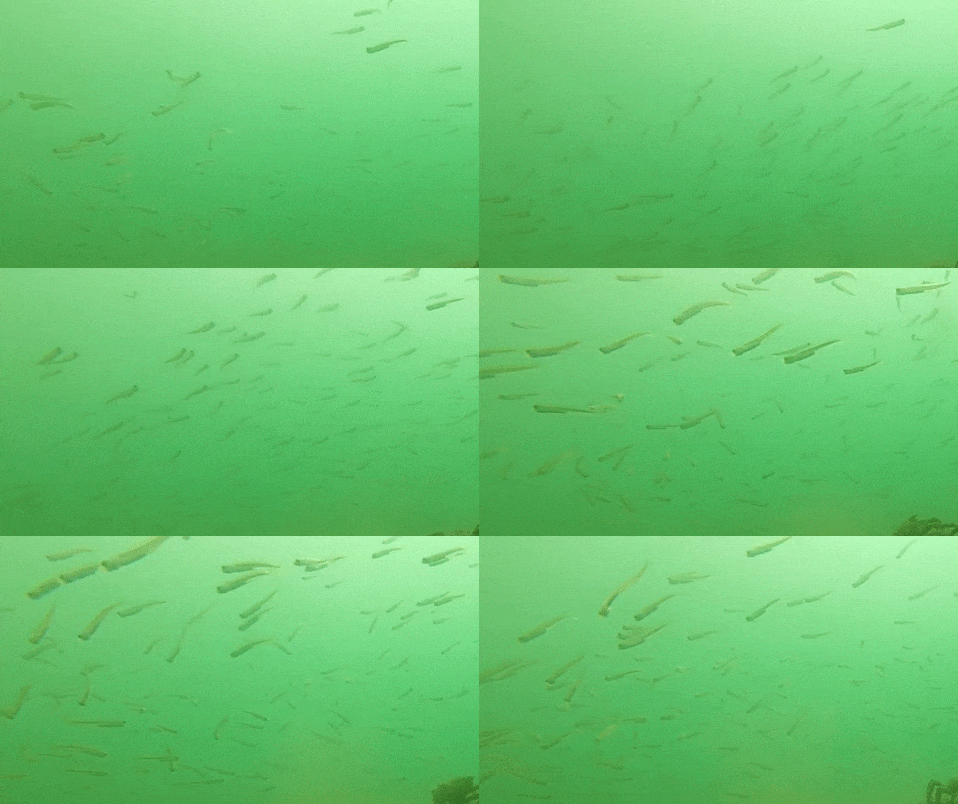
Although it still lacks a proper name, our experimental system to rear larval fish under different temperature, CO2, and oxygen conditions has finally started it’s first real trial with newly fertilized silverside embryos. The system consists of 9 independent units to allow any factorial 3 x 3 combination of rearing conditions. Each unit has a sealed main tank (400L) in which up to six individual rearing containers (20L) can be placed. Water samples from each unit are sequentially pumped past two wall-mounted oxygen and pH sensors, which feed their data into a computer program called LabView (NI), which in turn triggers solenoid valves to add CO2, nitrogen, or air to each system. Although straightforward in principle, the practice of putting all of this together is definitely more complicated and the devil in the detail. All told, the construction took us ~ 8 months, but we hope to be using this system for years from now.
Thumbs up to the many, many persons that were instrumental to the success of this; Paul Grecay and Timothy Targett (University of Delaware) for giving us the crucial inspiration about the general design of a system like that. Gary Grenier and Bob Dziomba from the machine shop for building the big pieces and thinking ahead of details that we certainly would have missed. Charlie Woods for his excellent help and assistance in the Rankin Lab, from plumbing to electrical to simply cheering us up. Dennis Arbige for taking on the tedious wiring of the solenoids without blinking an eye. Finally, many thanks to John Hamilton who’s excellent knowledge of LabView and great teaching skills helped Chris to become a LabView wiz in a matter of weeks!
Ready. Set. Go!
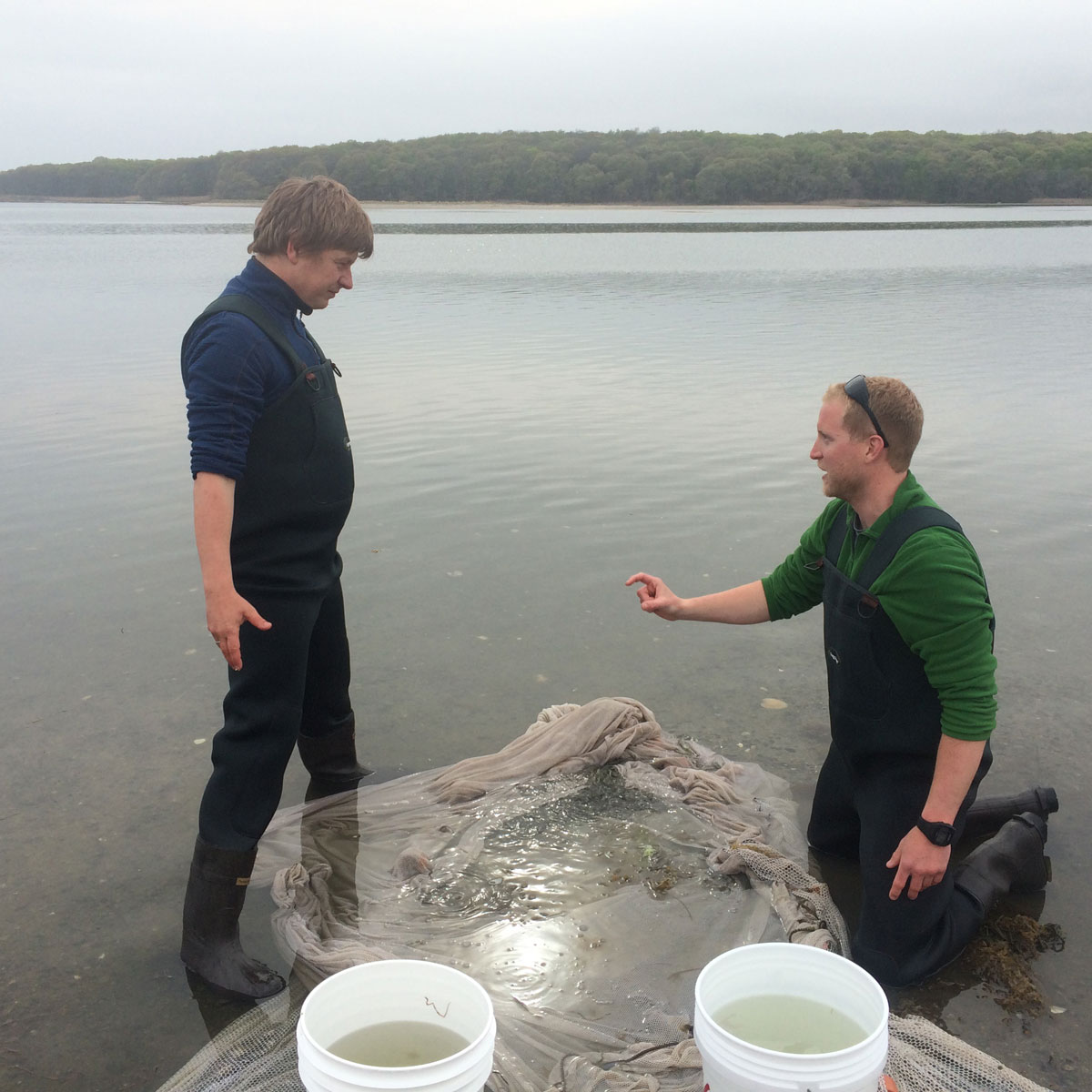
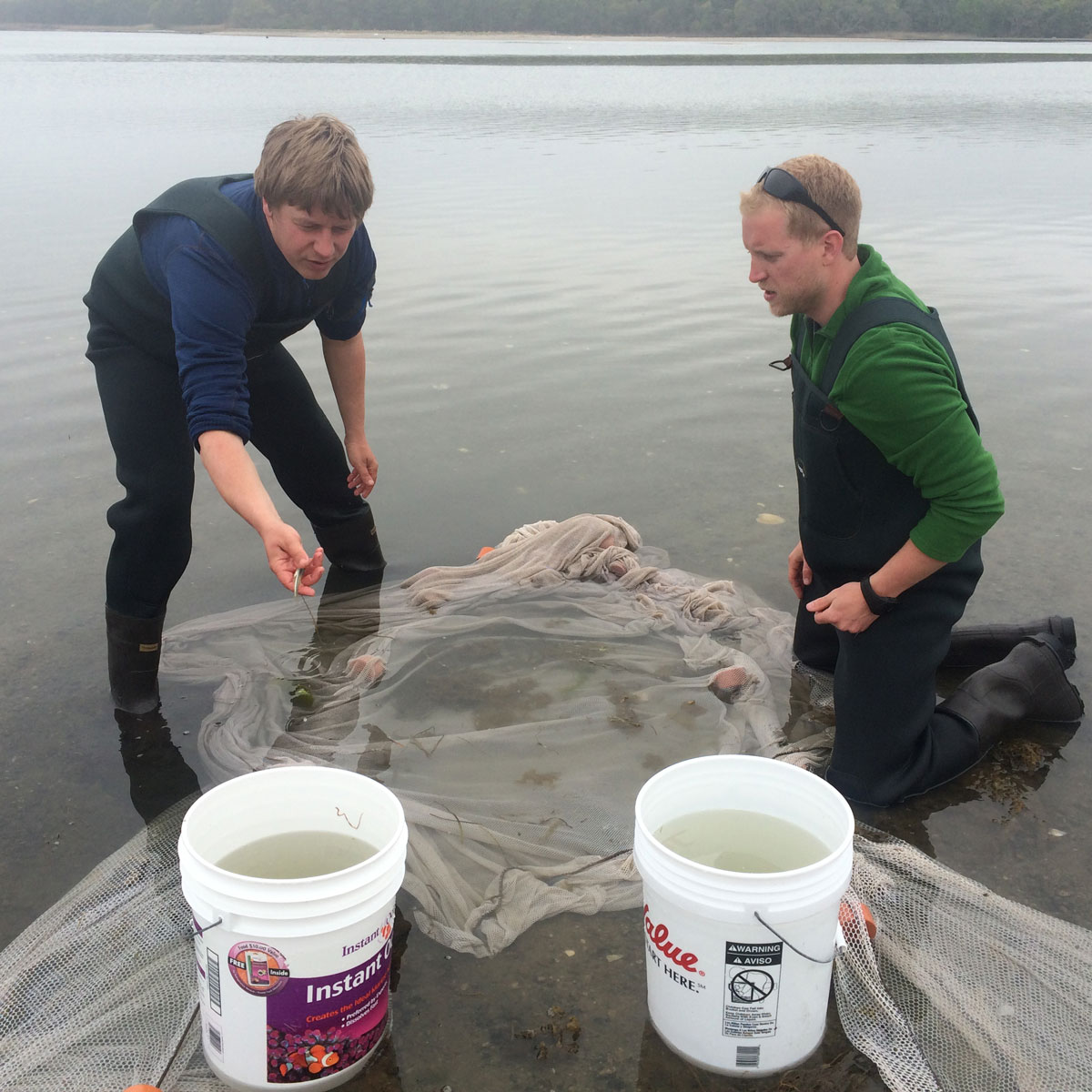
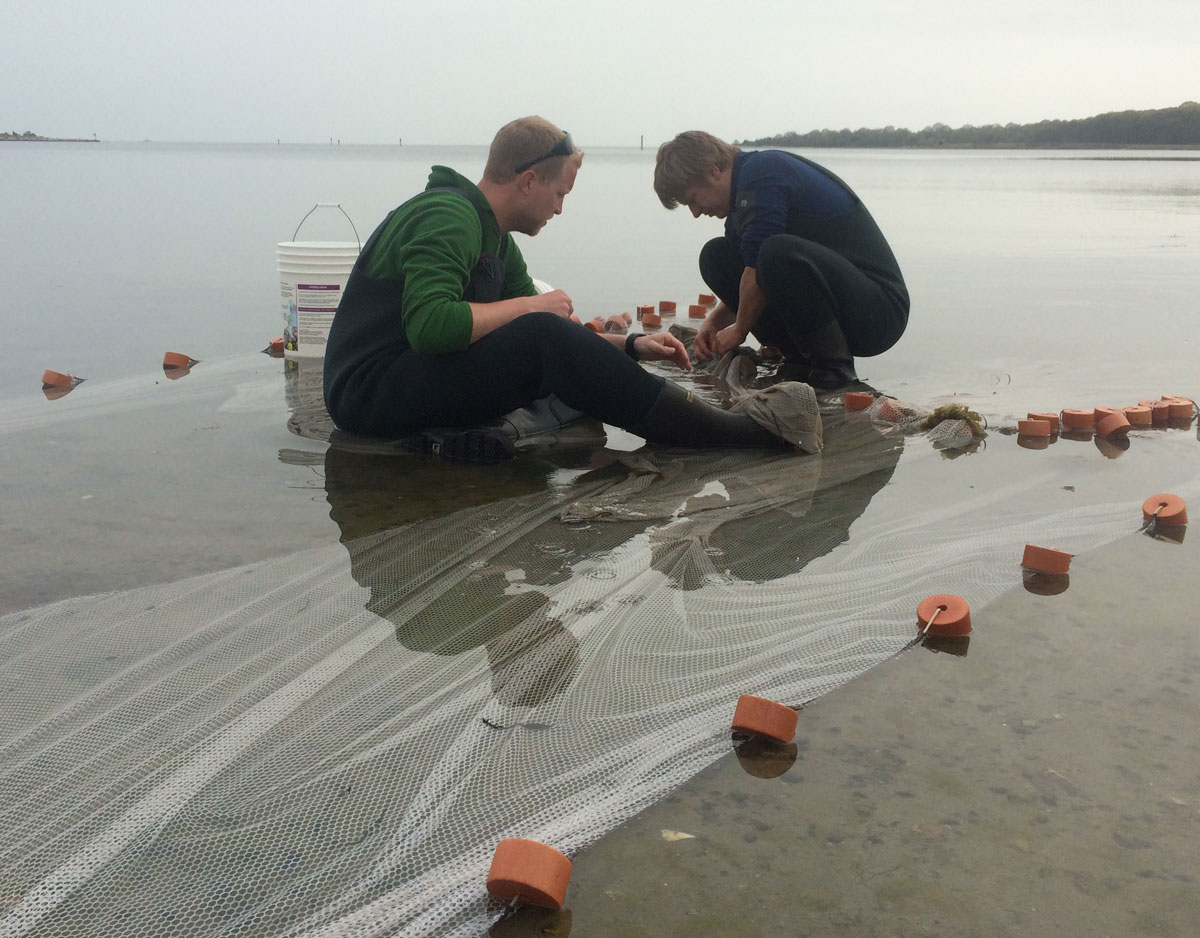
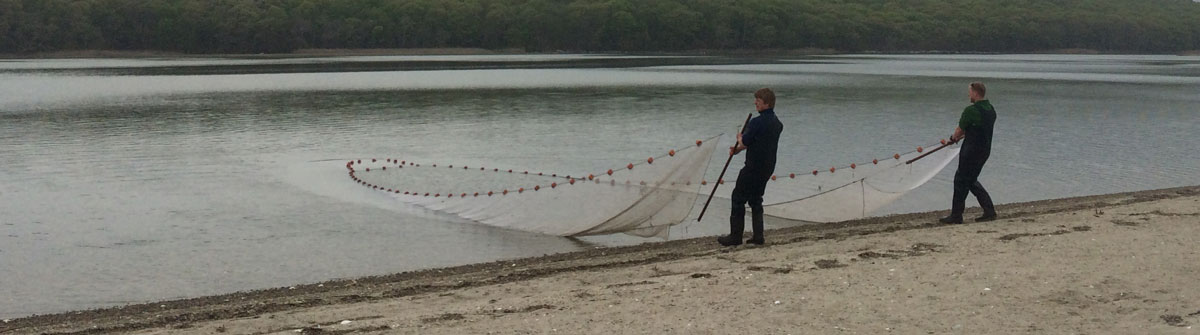
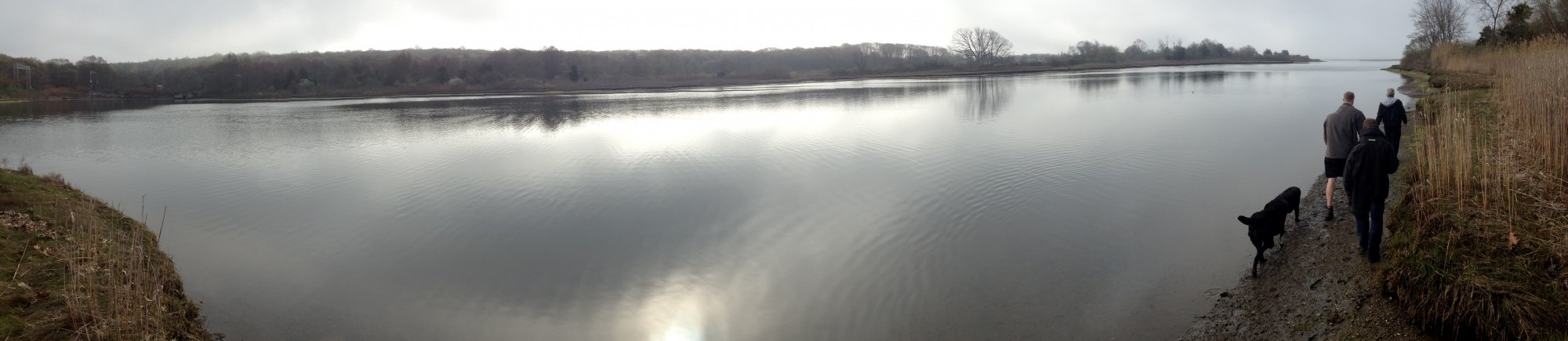
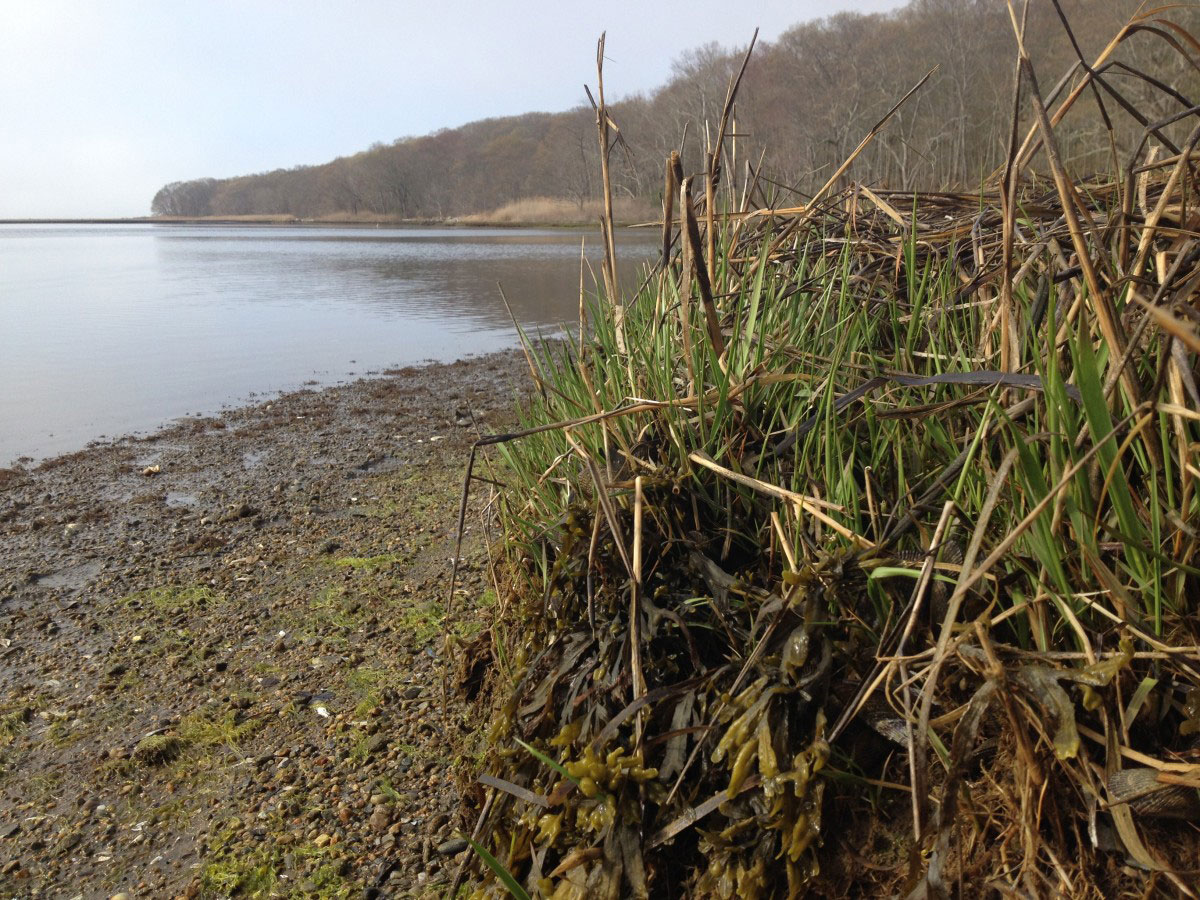
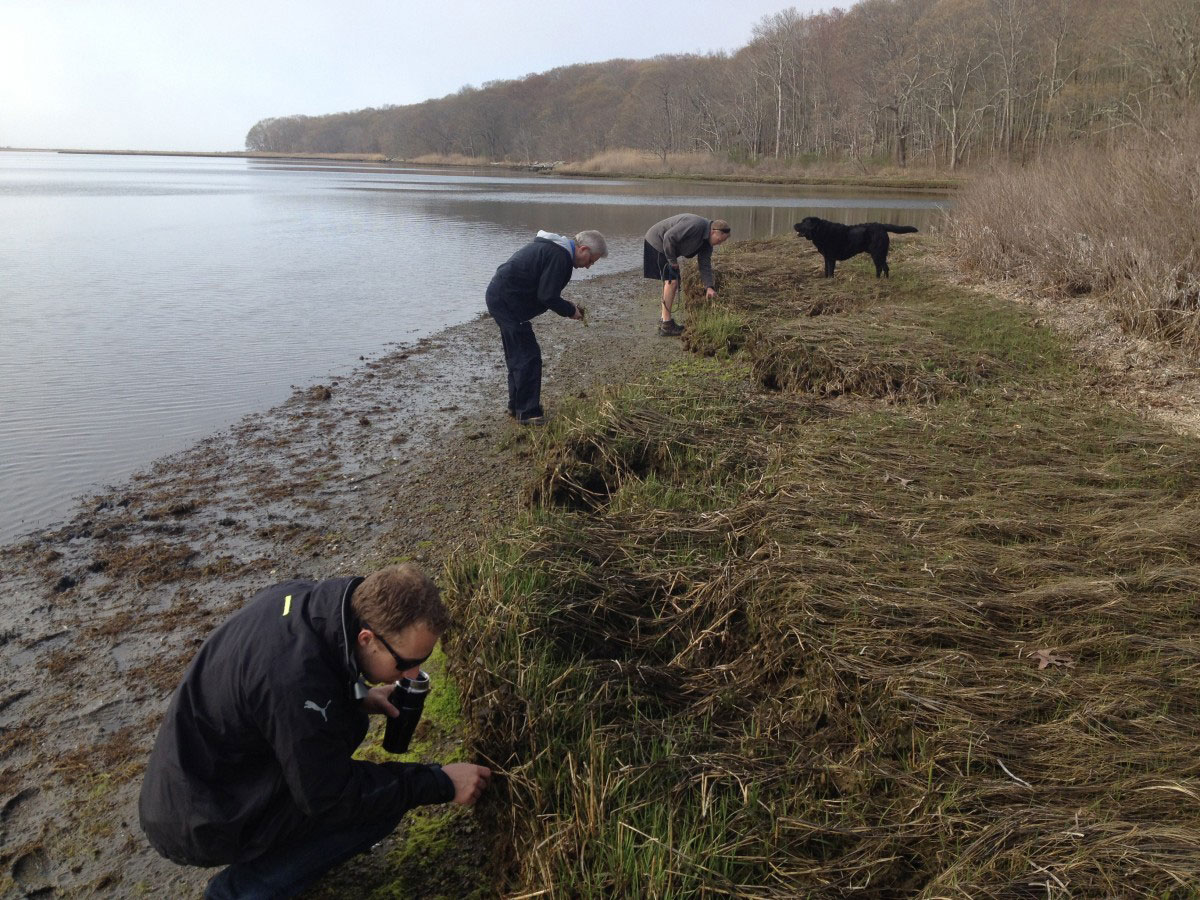
On Friday (5/2/2015) afternoon, we went out seining at Mumford Cove and caught the first running-ripe Atlantic silversides (M. menidia) of the 2015 spawning season.
The field and experimental season is now finally here!
Time: 17:30
Temperature: 12 deg Celsius
Dissolved oxygen: 11 mg L-1
pH: 8.2
males/ females: ~70/~60


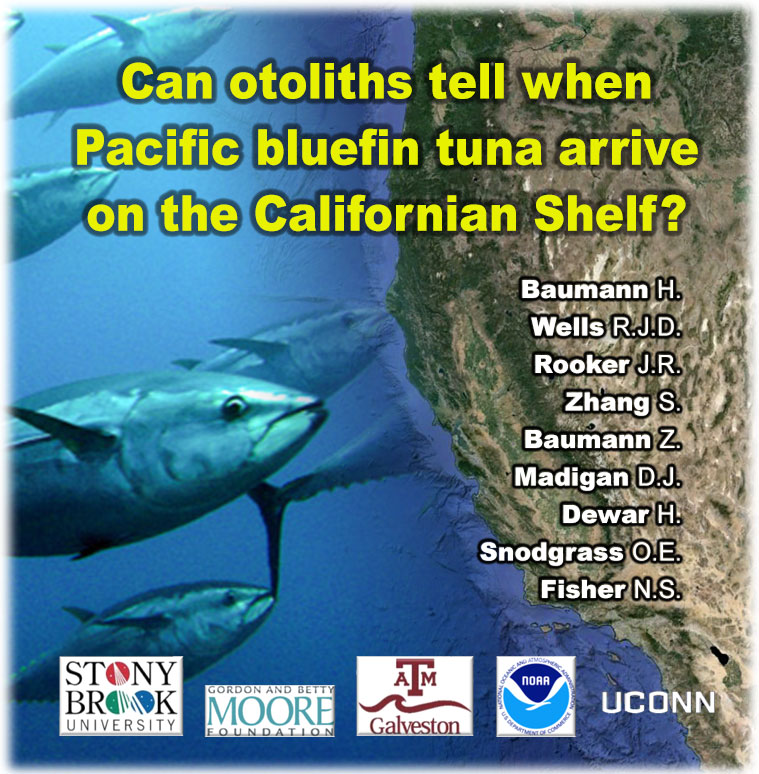
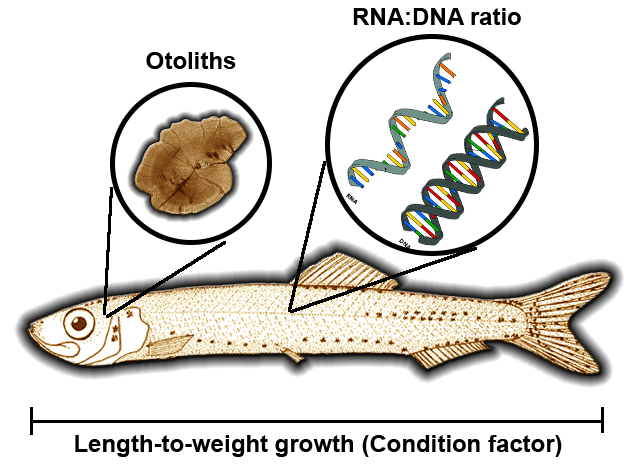
Juvenile Pacific bluefin tuna (PBT, Thunnus orientalis) are known to migrate from western Pacific spawning grounds to their eastern Pacific nursery grounds in the California Current Large Marine Ecosystem, but the timing, durations, and fraction of the population that makes these migrations need to be better understood for improved management. This new study published in the ICES Journal of Marine Science suggests that analyzing the trace elemental composition of bluefin tuna otoliths may divulge the time of arrival of the juvenile fish on the Californian Shelf. Scientists from the University of Connecticut, Stony Brook University, Texas A&M, as well as from NOAA collaborated in this effort, hoping to further develop this method to better inform managers in the future.

Web: 24th Annual Long Island Sound Citizens Summit

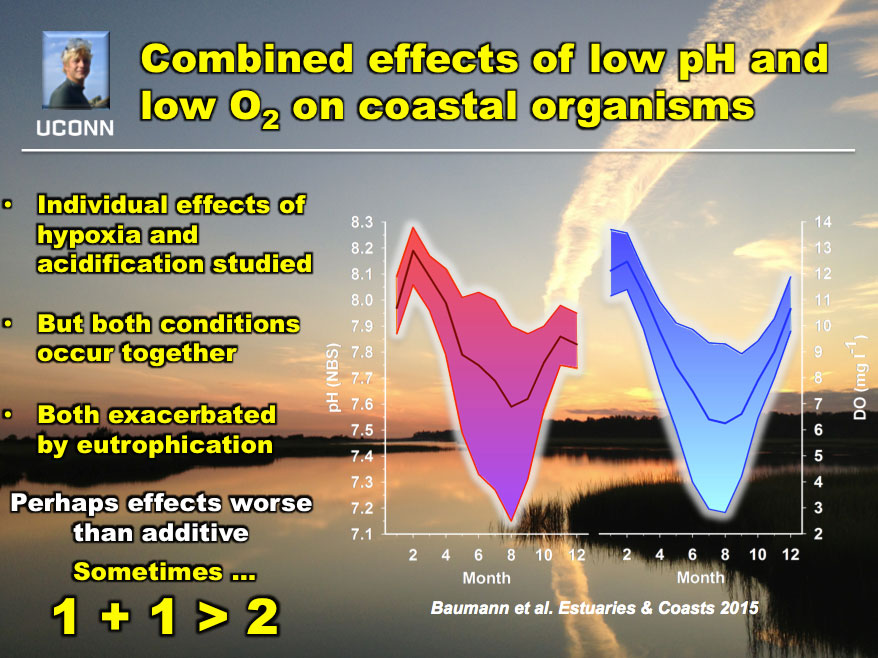
Coastal habitats often experience large diel to seasonal fluctuations in both pH and dissolved oxygen (DO), because ecosystem metabolism consumes oxygen while producing CO2. Hence, the two factors really represent two sides of the same coin. Decades of research have focused on hypoxia or acidification; therefore, the combined effects of these two stressors is still poorly understood. Master student Elizabeth Depasquale and co-authors tested the sensitivity to low pH and low DO in offspring of three forage fish species that are common in nearshore New England habitats: Inland silverside (Menidia beryllina), Atlantic silverside (M. menidia), and sheepshead minnow (Cyprinodon variegatus). The results show that pH and oxygen mostly have additive negative effects, but in a few cases also synergistically negative effects (Fig.1). The latter shows that multistressor experiments are important tools in assessing the impacts of multiple changes on coastal organisms.