Long Island Sound

A grouper on its way north – MEPS publishes Black Sea Bass synthesis paper

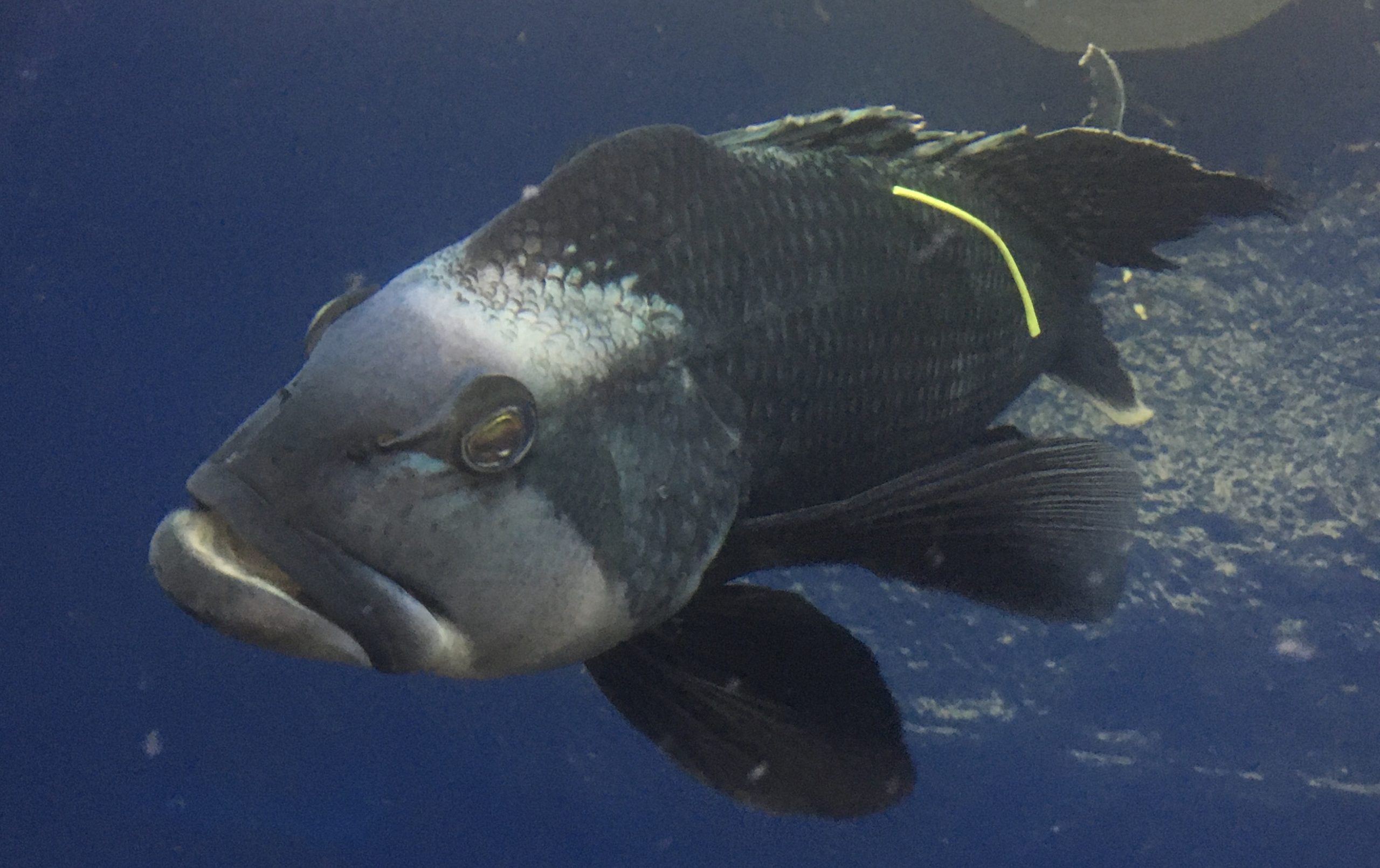
16 April 2026. We are excited to share that Marine Ecology Progress Series today published our synthesis paper on Black Sea Bass in Long Island Sound!

The publication combines laboratory research on juvenile and adult black sea bass with ocean and climate modeling to make the case that these fish are already or at some point soon likely to change their habit of moving offshore in winter. This is because inshore waters are warming, so the fish can stay longer in fall and return earlier in spring, but also because the whole Northwest Atlantic shelf is warming, which reduces the distance the fish need to swim to reach overwinter habitat.

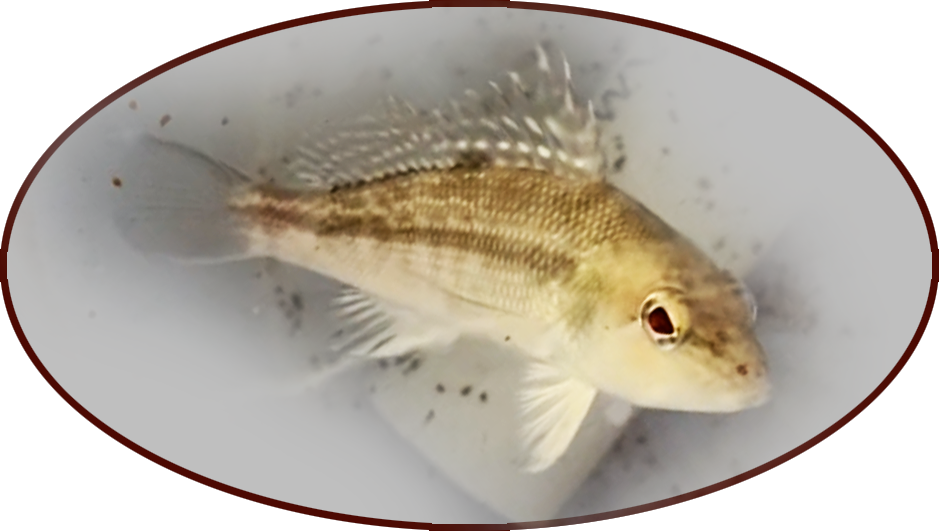
Picture of a juvenile black sea bass
A juvenile black sea bass during the 2022 overwinter experiment

In the laboratory, PhD student Max Zavell with the help of his dedicated undergraduate assistants Matt Mouland and David Barnum conducted 2 overwinter experiments on juveniles to simulate their thermal experience of migrating offshore or remaining within Long Island Sound (LIS). Surprisingly, this showed that overwintering inshore caused only minor reductions in survival (100→84%), led to no loss in lipid reserves, but incurred a growth cost in both length and weight.

Thanks to the involvement of two inhouse physical oceanography groups (James O'Donnell, Samantha Siedlecki), we were able to project how mean LIS winter temperatures will increase from 3.2°C to 4.8°C by mid-century, which reduces the average time black sea bass cannot live in LIS by 30%, from 95 to 68d per year. A separate shelf model projected the rapid northward movement of the 10°C isotherm in February bottom temperatures on the Northwest Atlantic shelf - this reduces the overwinter migration distance from  ~600 to ~120 km by mid-century!

Inshore overwintering will become increasingly feasible for black sea bass, perhaps lead to partial migration that furthers the poleward range expansion of this species.

The publication results from a particularly strong interdisciplinary collaboration of no less than 5 research labs: The Baumann and Schultz lab dedicated to fisheries and evolutionary fish ecology, the Matassa Lab with expertise in benthic ecology, the O'Donnell and Siedlecki groups dealing with modeling projections for nearshore and offshore waters in the North-Atlantic. The publication is an example of inclusiveness, given that the list of authors not only includes the graduate student as the lead, but also two particularly engaged undergraduate students, in addition to two post-doctoral researchers and the 5 more senior faculty. 

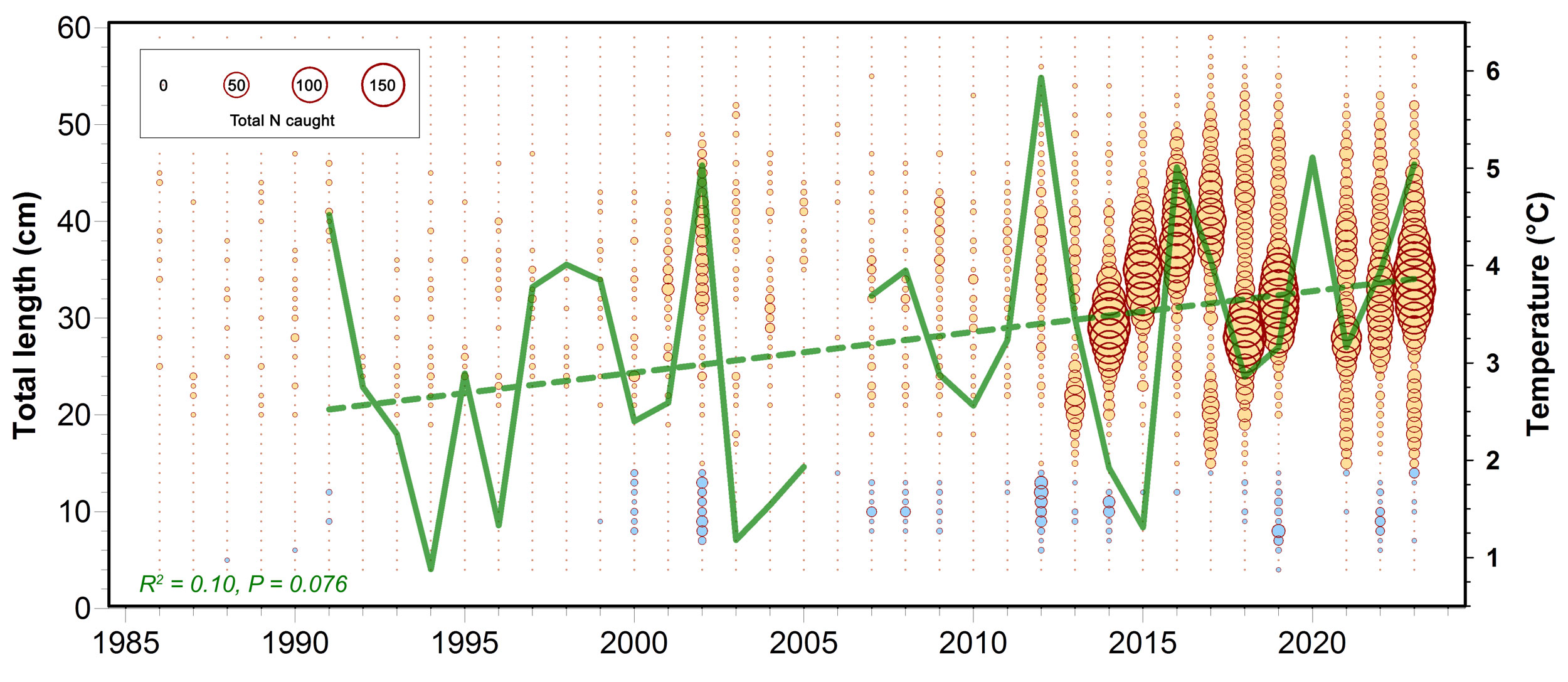
Plot of black sea bass occurrence in Long Island Sound
A detailed look at how temperature (green line) and black sea bass abundance (circles) have changed over the past 40 years in Long Island Sound (LIS). The circles are scaled to the total number of individuals caught per year and length class (1 cm) during the spring LIS trawl survey (April to June). Blue circles: juveniles (≤14 cm TL); orange circles: adults (≥15 cm TL); green solid line: average annual winter temperature 1991–
2023 (LISICOS ELIS buoy) (modified after Zavell et al. 2026)

Can adult black sea bass overwinter in Long Island Sound?

18 July 2025. We are thrilled to share that Marine & Coastal Fisheries (an AFS Journal) published today the 3rd chapter of Max Zavell's PhD research! The paper asks the simple but pertinent question

Can adult Black Sea Bass overwinter in Long Island Sound, USA?

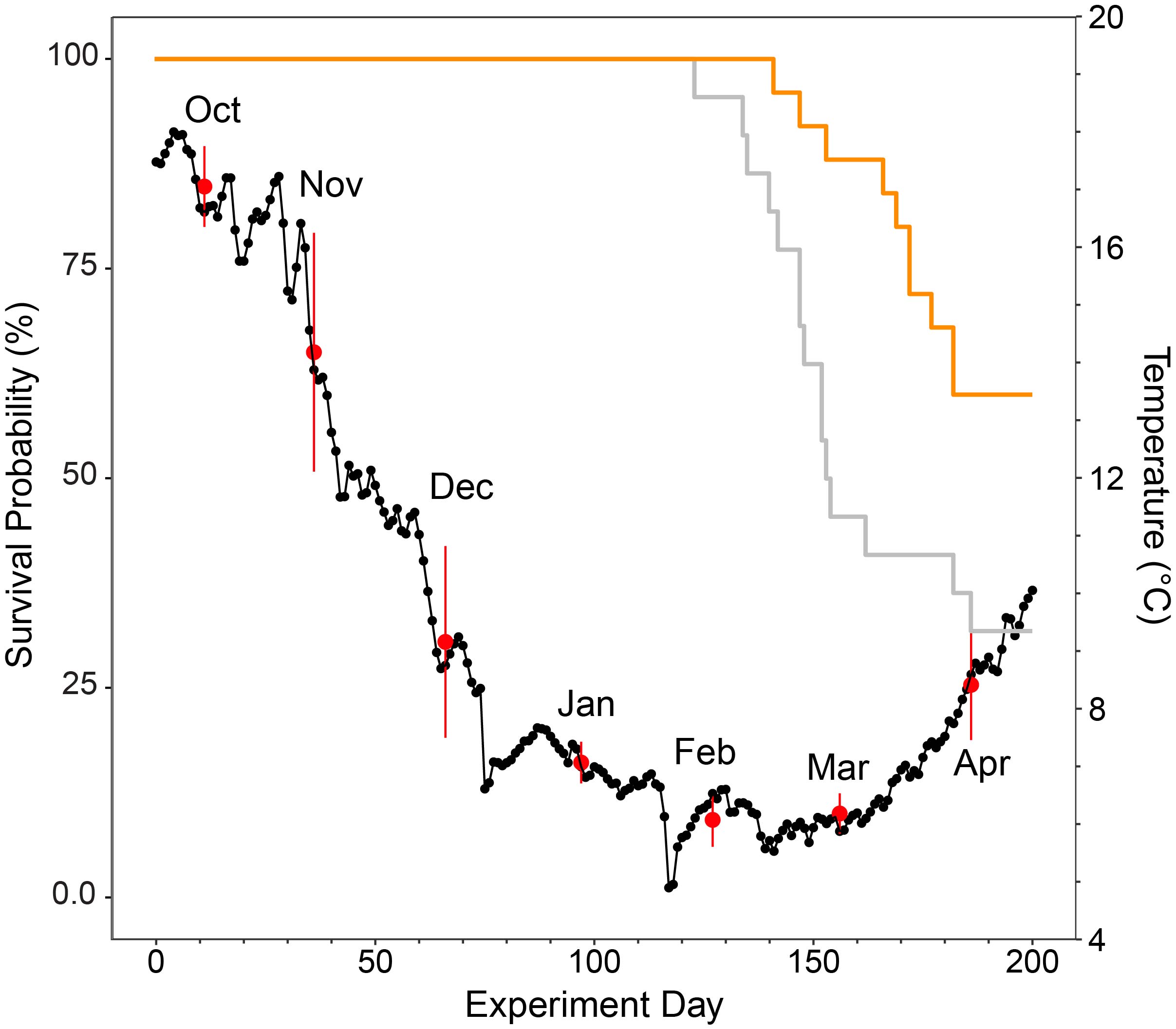
The research followed the fate of 2 x 25 adult black sea bass that were angled in Long Island Sound (LIS) in fall 2022 and then kept at realistic winter inshore temperatures in two large flow-through tanks at the Rankin Seawater Laboratory of the University of Connecticut at Avery Point. The authors repeatedly measured survival, length- and weight growth, gonad investment and lipid contents of experimental and wild fish. They cautiously conclude that

"At present, overwintering in LIS appears possible but likely disadvantageous for Black Sea Bass, because offshore winter migration results in greater energy reserves and subsequent reproductive investment. In the future, however, warming coastal waters will continue to shorten the duration of unsuitable winter temperatures, which could become conducive to year-round inshore residency or partial migration patterns in the northern stock of Black Sea Bass."

The article was published Open Access. Congratulations, Max et al.!

Fig1-Survival-Temp-Figure
Dynamic overwinter temperature profile and survival for two black sea bass tanks in 2022/23

Male Black Sea Bass - April2021
Male Black Sea Bass (H.Baumann April 2021)


Fishery Bulletin publishes black sea bass diet metabarcoding study

22 November 2024. We are happy to share that our paper on black sea bass stomach content metabarcoding has been published today in the traditional NOAA journal Fishery Bulletin. Our study used black sea bass juveniles caught in Mumford Cove to study their diet via a molecular approach known as metabarcoding. This method often detects rare or soft-bodied prey better than traditional morphological content analyses. We found that small, newly settled black sea bass eat mostly shrimp, but also many softbodied polychaetes. And weirdly, they seem to like one particular kind of (invasive) amphipod. Only larger juveniles seem to add fish to their diet.

Our study is a great first collaboration between our departments genomic experts (Ann Bucklin, Paola Batta-Lona) and the Evolutionary Fish Ecology Lab. The first product of our collaborative efforts has seen the light!

Fishery Bulletin is the 143 years old peer-reviewed journal managed and published by the National Marine Fisheries Service (NMFS) of the National Ocean and Atmospheric Administration (NOAA). It publishes Open Access at no costs to authors. Click the link below to download the paper.


BSB-COI-summary-web
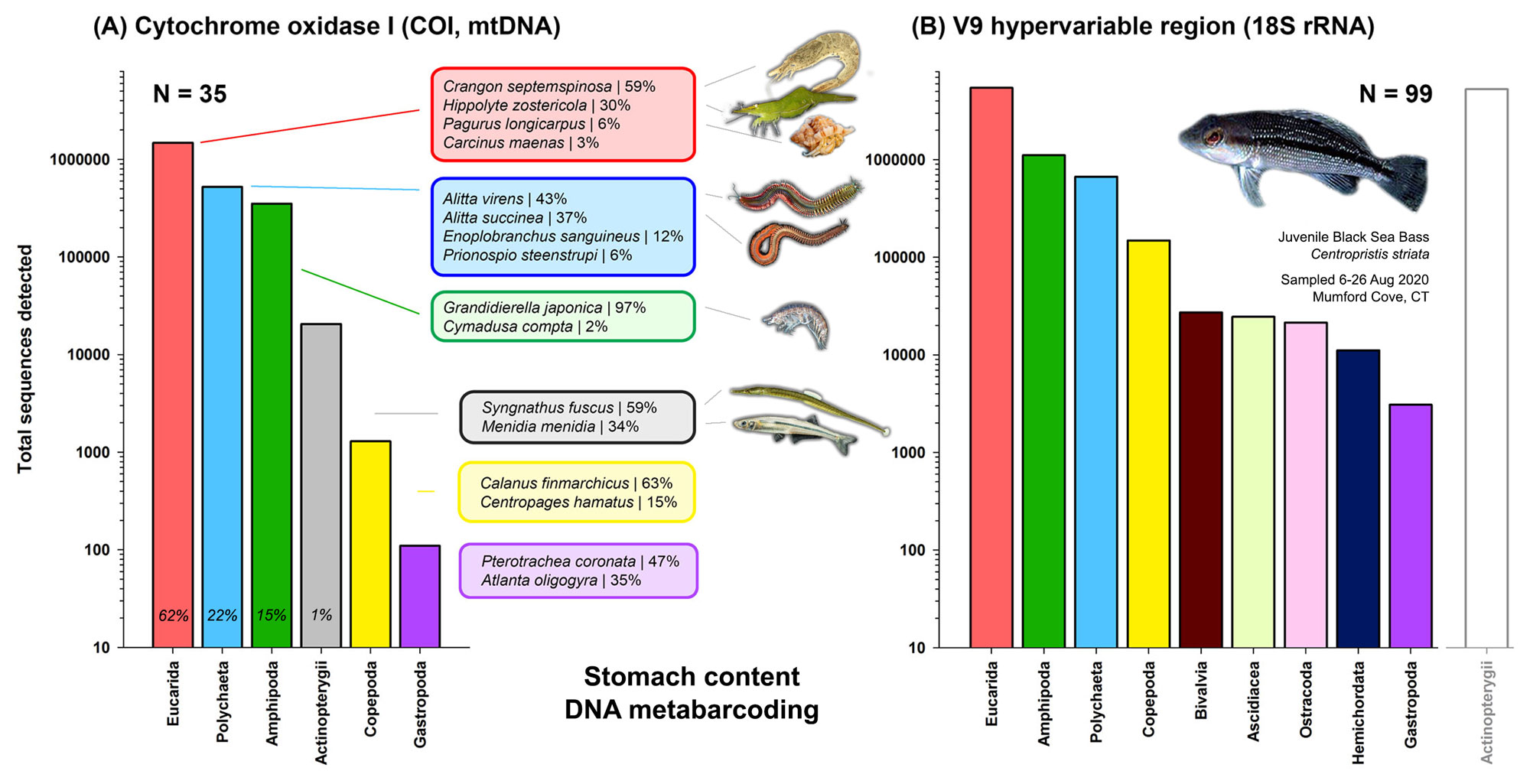
Composition of prey detected in samples from stomachs of juvenile black sea bass (Centropristis striata), collected in Mumford Cove off Connecticut in August 2020, through metabarcoding with (A) the mitochondrial cytochrome c oxidase subunit I (COI) gene region and (B) the V9 hypervariable region of 18S rRNA. Bars represent the total number of COI and V9 gene sequences identified for each of 6 and 10 major prey taxa in DNA samples from 35 and 99 stomachs, respectively. In panel A, lists / pictures of the major prey species and their relative proportions for each prey taxon are provided (modified after Figure 1 in Batta-Lona et al. 2025)

[Media] WSHU public radio covers Project Oceanology story

tfsbluered
4 April 2019. Following the publication of our study on the Project Oceanology time-series in Marine Environmental Research and the subsequent article about it in TheConversation, today the story was featured by WSHU public radio, in Ron Ropiak’s show “The Full Story“.

Have a listen, how Hannes describes both the findings and the significance of the Project Oceanology time series.

Listen

[Publication] The Project Oceanology time-series has been published!

Project Oceanology
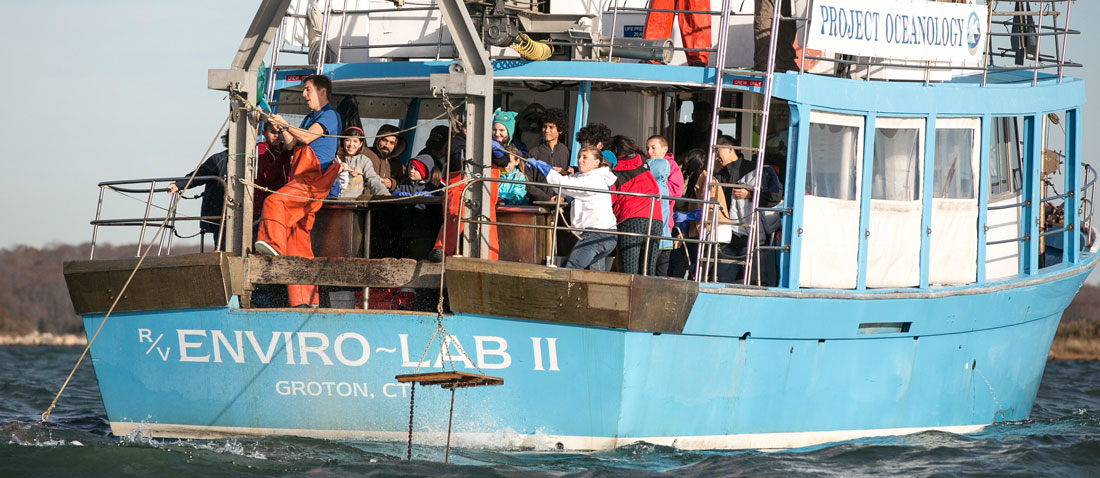
Project Oceanology students onboard the “Enviro-Lab II” retrieve a trawl in the Thames River Mouth (Photo: Anna Sawin)

21 March 2019. We are happy to announce that Marine Environmental Research just published our most recent paper about long-term ecological change in eastern Long Island Sound based on data collected by Project Oceanology!For his Master’s thesis, Jacob Snyder painstakingly retrieved and digitized more than 40 years of environmental observations from Project Oceanology. This non-profit ocean literacy organization has educated middle and high school students on boat trips to nearby estuarine sites for decades. For the first time, his work allowed a quantitative evaluation of these data and glimpses into the abiotic and biotic changes in nearshore waters of Eastern Long Island Sound.

Highlights

  • Citizen-science observations revealed rapid warming, acidification, and dissolved oxygen loss over the past 40 years in eastern Long Island Sound
  • Otter trawl catches showed significant decreases in overall species diversity and richness
  • Cold-water adapted species (American lobster, winter flounder) decreased, but warm-water adapted species (spider crabs) increased since 1997

Citation

Public outreach

News coverage: UConn Today | New Haven Register | The Hour | NonProfit Quarterly | WSHU Public Radio
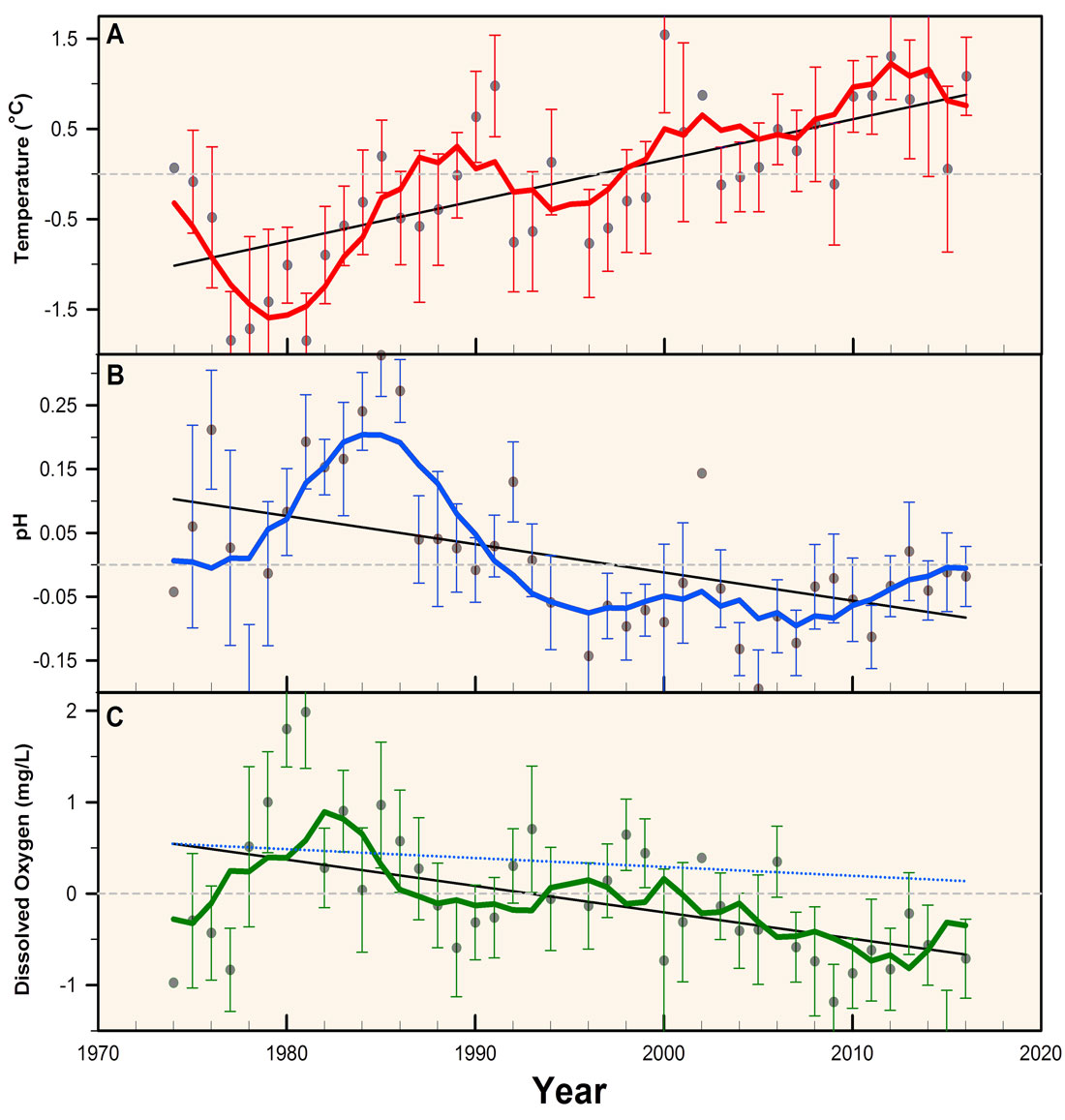

Fig_2-abiotic-conditions_new
Long-term changes in temperature, pH, and oxygen in the Thames River Mouth (eastern Long Island Sound)
Fig_6-CPUEs_4-species
Catch indices of four major species in Project Oceanology trawls over the past two decades